
Certified Stem Cells From Wharton’s Jelly & Placenta | Dream Body Clinic
Dream Body Clinic provides culture-expanded human mesenchymal stromal cells (MSCs) derived from Wharton’s Jelly (umbilical cord tissue) and placenta from live, healthy births. These are allogeneic (donor-derived) cells produced in our own COFEPRIS-licensed and ISO rated laboratory under GMP-based quality control
What are certified human mesenchymal stem cells from Wharton’s Jelly?
Wharton’s Jelly is the gelatinous connective tissue that surrounds the vessels inside the umbilical cord. It is a recognized source of mesenchymal stromal cells (also called mesenchymal stem cells or MSCs). According to the National Library of Medicine MeSH definition, Wharton Jelly is “Jelly-like connective tissue of the umbilical cord that contains mesenchymal stem cells.”
These cells are characterized by plastic adherence, expression of specific surface markers, and the ability to differentiate into osteogenic, adipogenic, and chondrogenic lineages under laboratory conditions. They also exhibit immunomodulatory properties and typically do not express MHC class II (HLA-DR), which supports their use as allogeneic products.
Our Stem Cells
Our MSCs are never frozen. Cells are harvested from culture the day before treatment and administered within 24 hours. This avoids the viability and recovery losses that can occur with cryopreservation and thawing.
What does “never frozen MSCs” mean, and how are the cells tested and transported before administration?
- Donor screening and tissue collection from screened live, healthy births (see donor criteria below).
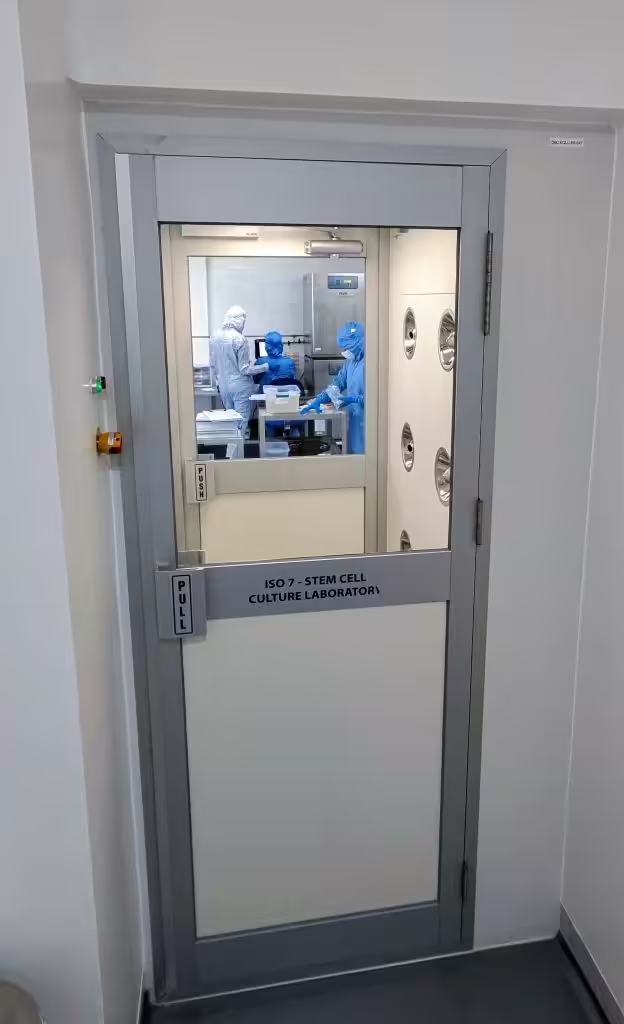
- Isolation and expansion in our COFEPRIS-licensed, ISO 7 laboratory using GMP-grade, xeno-free medium in a physoxic environment (~13% oxygen).
- Passage control: we count the initial recovery passages fully (the first four passages are often treated as “passage 0/1” by some labs). Cells are used at a controlled passage after this recovery phase.
- Release testing performed by third-party COFEPRIS-authorized laboratories (flow cytometry for identity markers, sterility, mycoplasma, endotoxin).
- Final product is released only after meeting internal release criteria.
- Cells are removed from culture the day before the scheduled treatment and delivered fresh (never frozen) for administration within 24 hours. Patients receive a copy of the third-party analysis for their specific lot.
Donor screening criteria we apply
- Mothers aged 18–25
- First-time mothers
- Married
- No history of COVID-19 vaccination (verified against the Mexican federal database using CURP)
- Full clinical history and serologic testing (HIV, Hepatitis B and C, syphilis, Chagas)
Comparison of MSC Sources
| Feature | Wharton’s Jelly MSCs | Umbilical Cord Blood MSCs | Placenta-derived MSCs |
|---|---|---|---|
| Tissue origin | Gelatinous connective tissue around cord vessels (exclusively fetal) | Blood remaining in the cord/placenta after birth | Placental tissue (can include fetal and maternal layers) |
| Primary cell type recovered | Mesenchymal stromal cells (abundant) | Hematopoietic stem cells (MSCs are rare) | Mesenchymal stromal cells (variable by layer) |
| Typical surface markers | CD105+, CD73+, CD90+, CD45−, CD34−, HLA-DR− | MSCs (when present) show similar markers; dominant population is CD34+ hematopoietic | CD105+, CD73+, CD90+ (layer-dependent variability) |
| Proliferation / expansion | High | Low (MSCs are scarce) | Variable (often lower than WJ) |
| Immunogenicity | Low (MHC-II negative) | N/A for the rare MSCs | Variable by source layer |
| Collection | Non-invasive, after birth | Non-invasive, after birth | Non-invasive, after birth |
| Common use in literature | Regenerative / immunomodulatory research | Established for hematopoietic transplant | Regenerative research |
Sources for comparison: Stefańska et al. (PMC7230974); reviews of perinatal MSC sources; ISCT minimal criteria for MSCs.
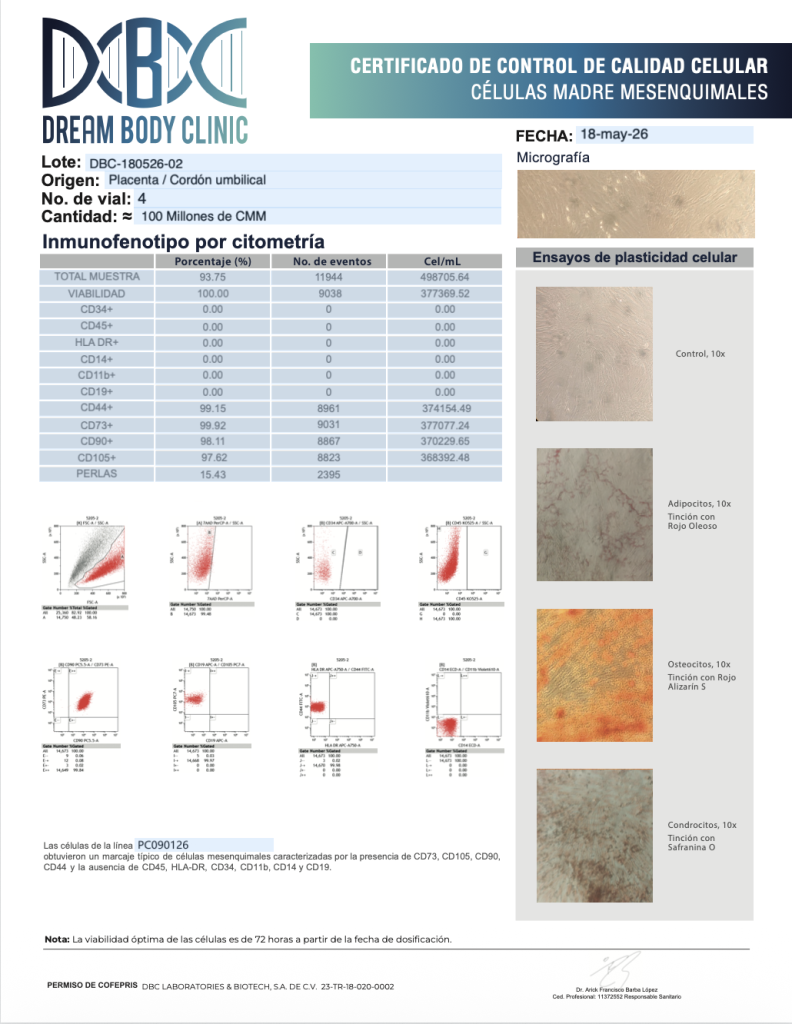
Wharton’s Jelly and placenta-derived MSCs both meet the International Society for Cellular Therapy (ISCT) minimal criteria when properly isolated and expanded: plastic adherence, ≥95% positive for CD105, CD73, and CD90, and ≤2% positive for hematopoietic markers (CD45, CD34, CD14/CD11b, CD79α/CD19, HLA-DR).
Evidence That Our Cells Meet Recognized MSC Identity and Quality Criteria
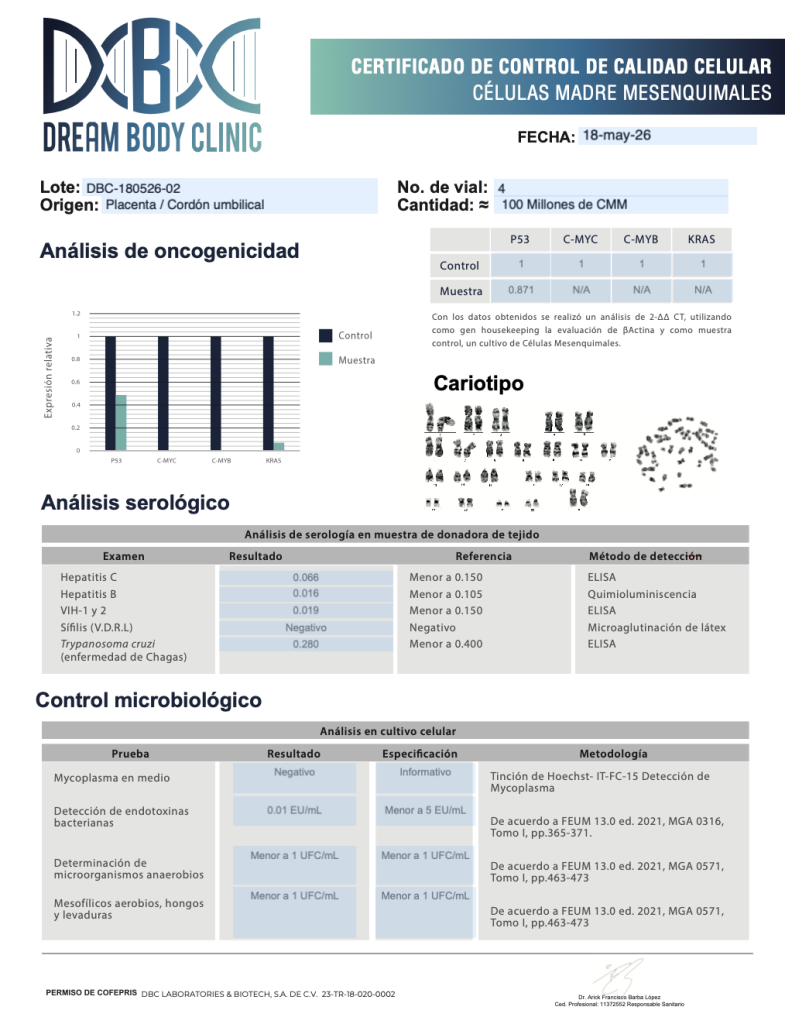
Every patient lot is accompanied by a third-party laboratory report (example shown below on the page). Typical release testing includes:
- Identity / phenotype (flow cytometry): Positive for CD105, CD73, CD90; negative or low for CD45, CD34, HLA-DR / MHC-II.
- Sterility (bacterial/fungal culture).
- Mycoplasma testing.
- Endotoxin testing.
- Viability at release.
These tests align with ISCT minimal criteria and standard GMP quality controls for MSC products. Our laboratory follows good manufacturing practices (GMP) and the recommendations of the International Society of Cell Therapy and the Latin American Mesenchymal Stem Cell Society.
Example of Stem Cell Analysis Below:
What “Certified” Means and Which Documents Patients Should Review
“Certified” in this context means the laboratory holds the required Mexican regulatory licenses and operates under documented quality systems (ISO 7 cleanroom classification, GMP-grade materials, third-party release testing). It does not mean the cells are FDA-approved or that any specific treatment outcome is guaranteed.
Documents a patient should review before treatment
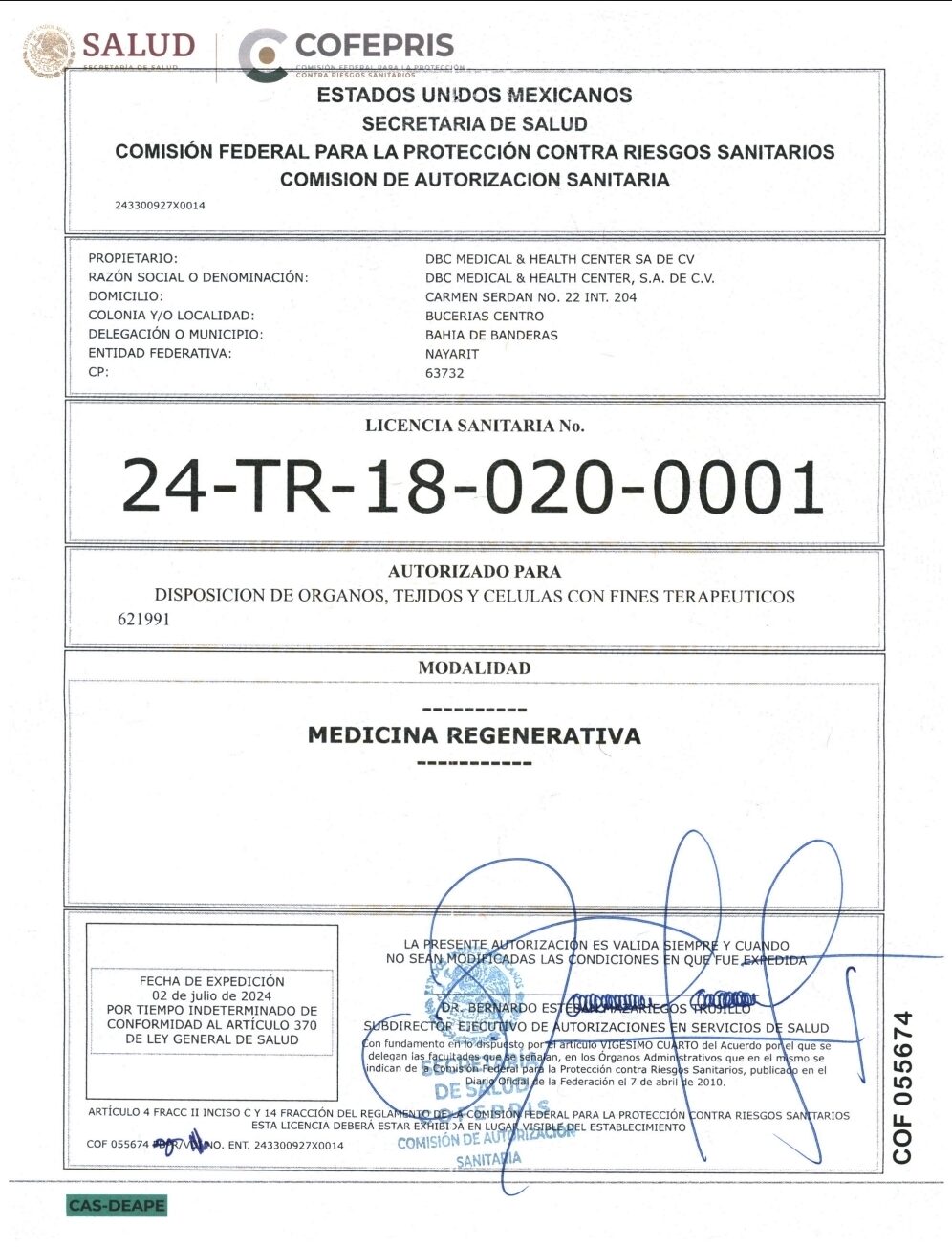
- COFEPRIS laboratory license(s) for stem-cell production, cryobank storage, and regenerative medicine practice (listed below).
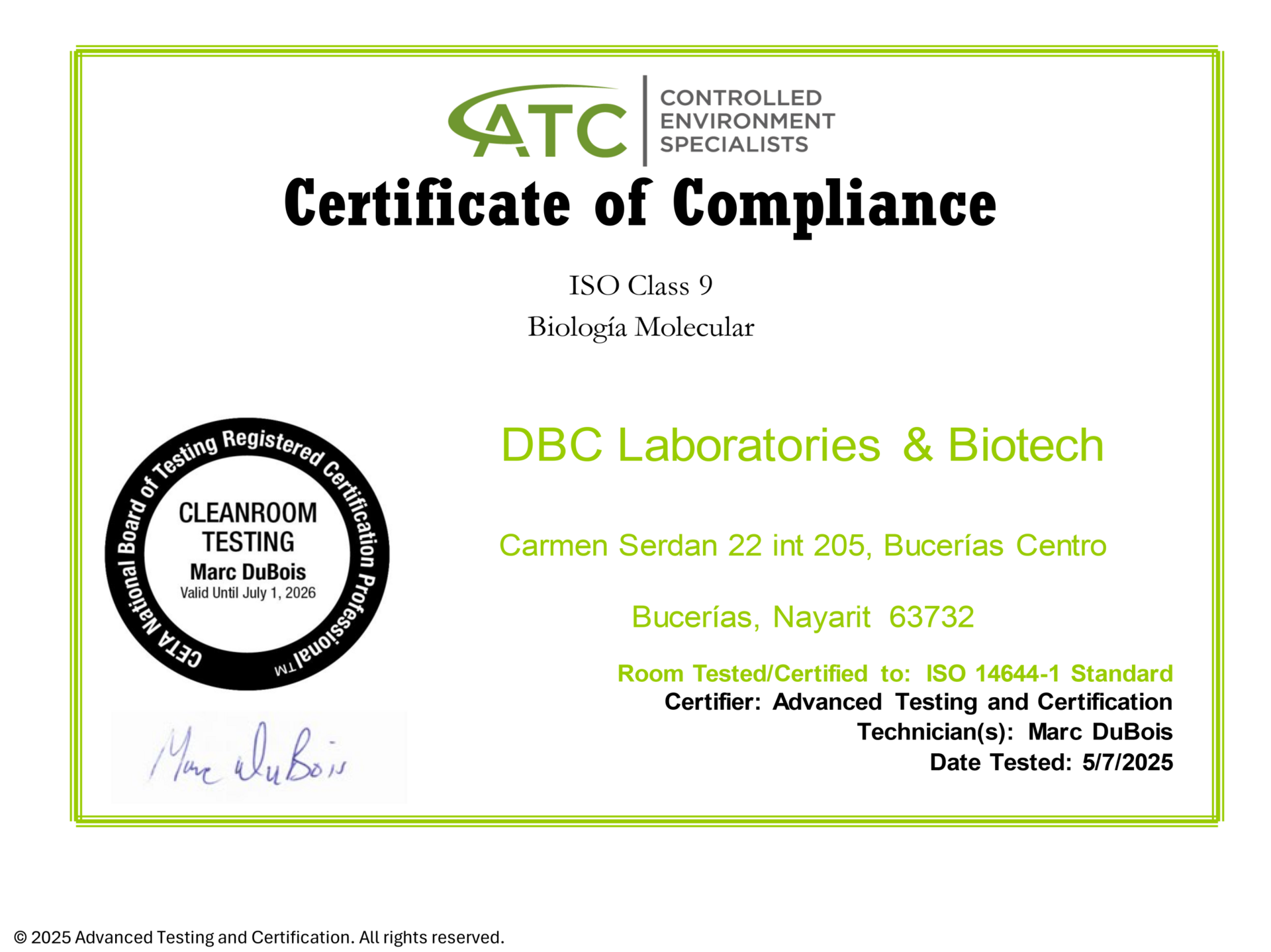
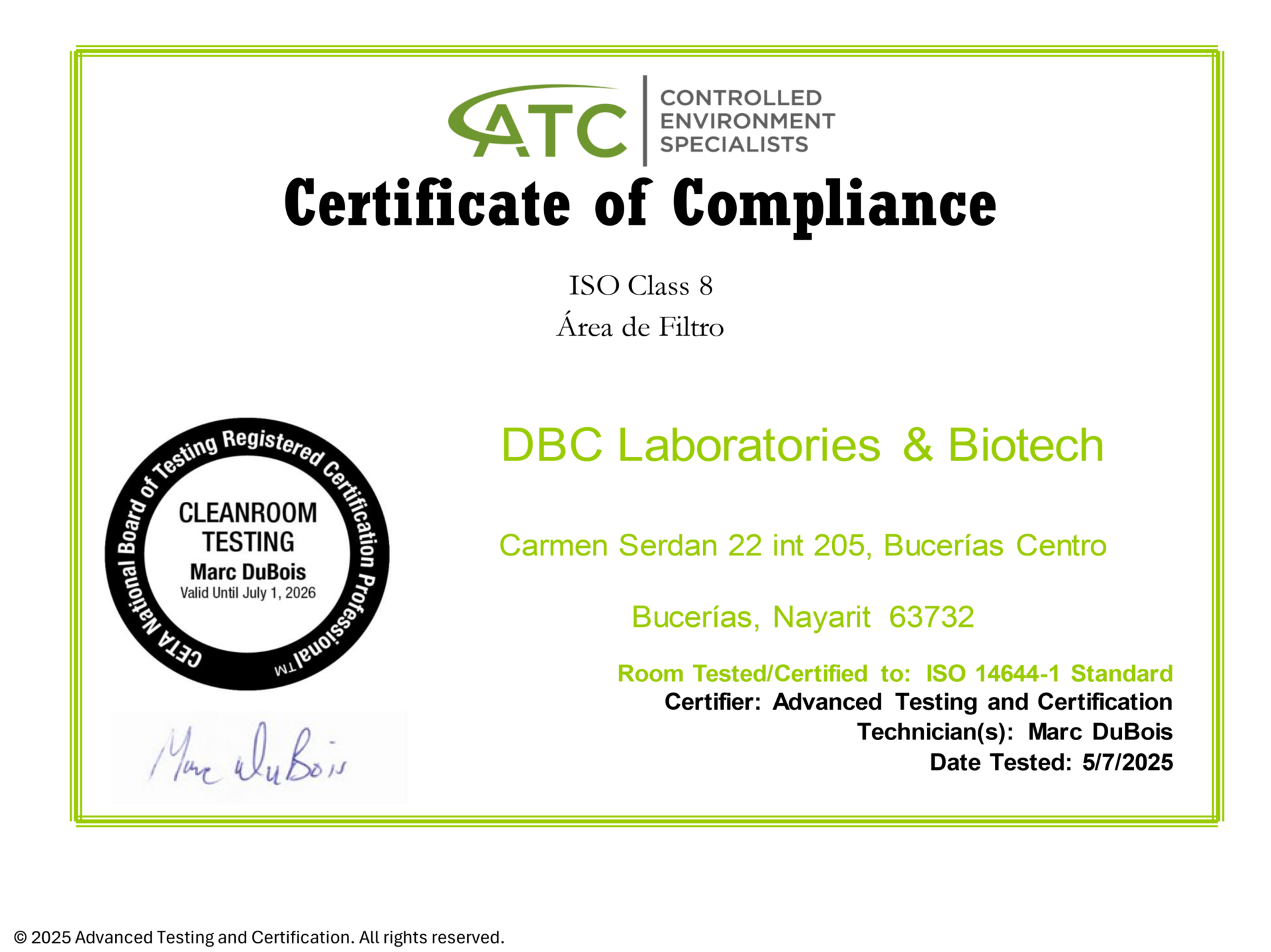
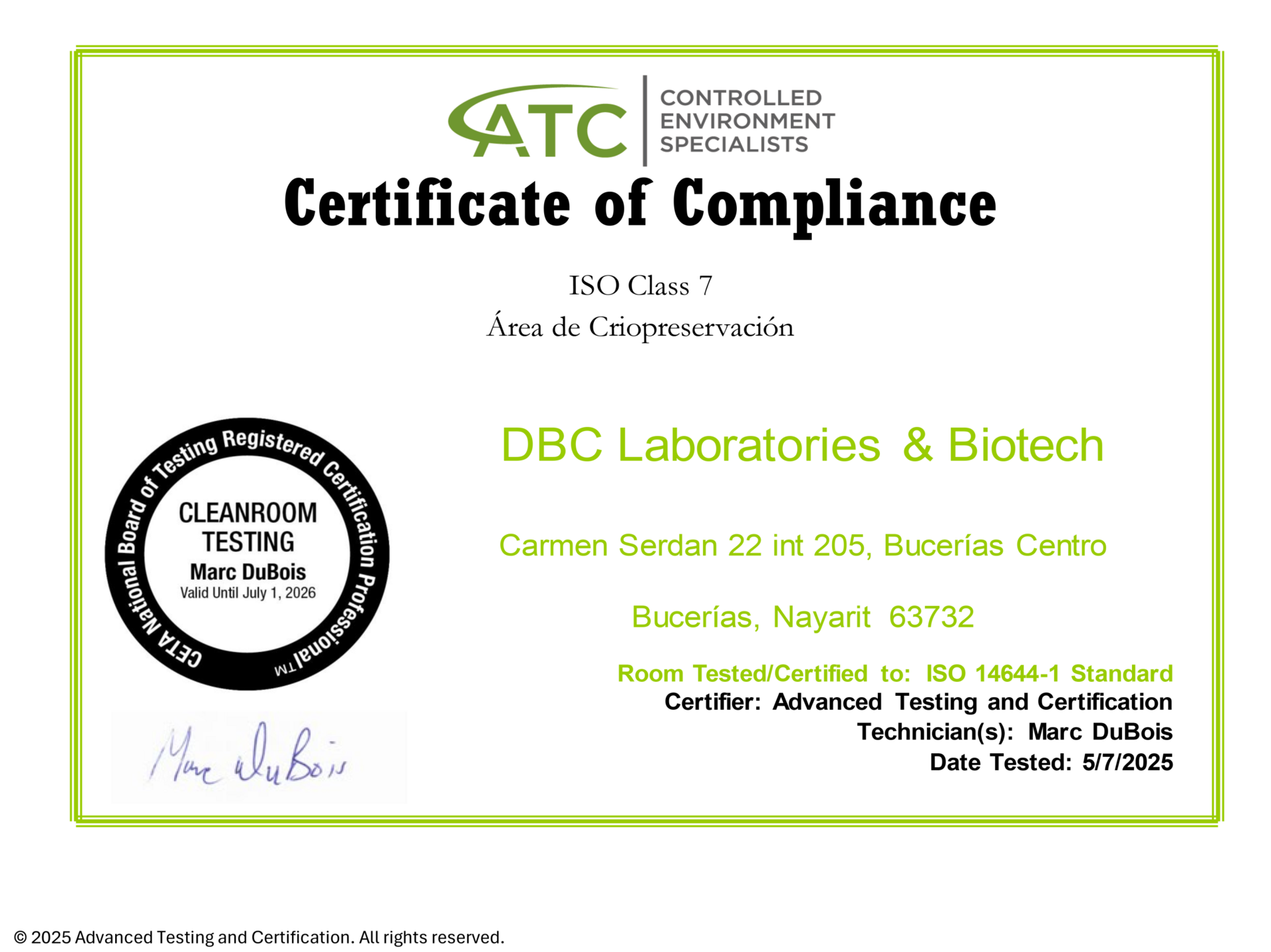
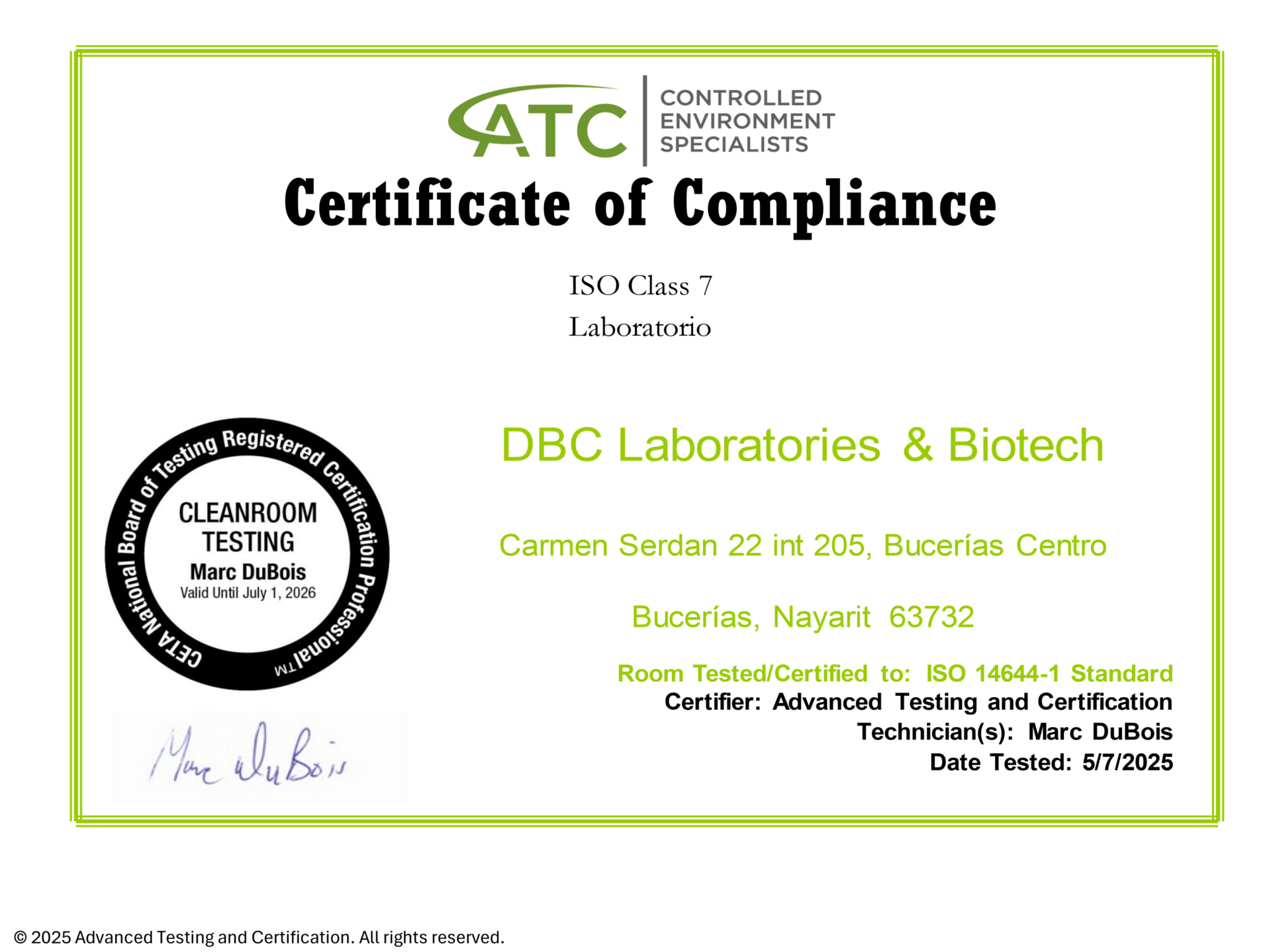
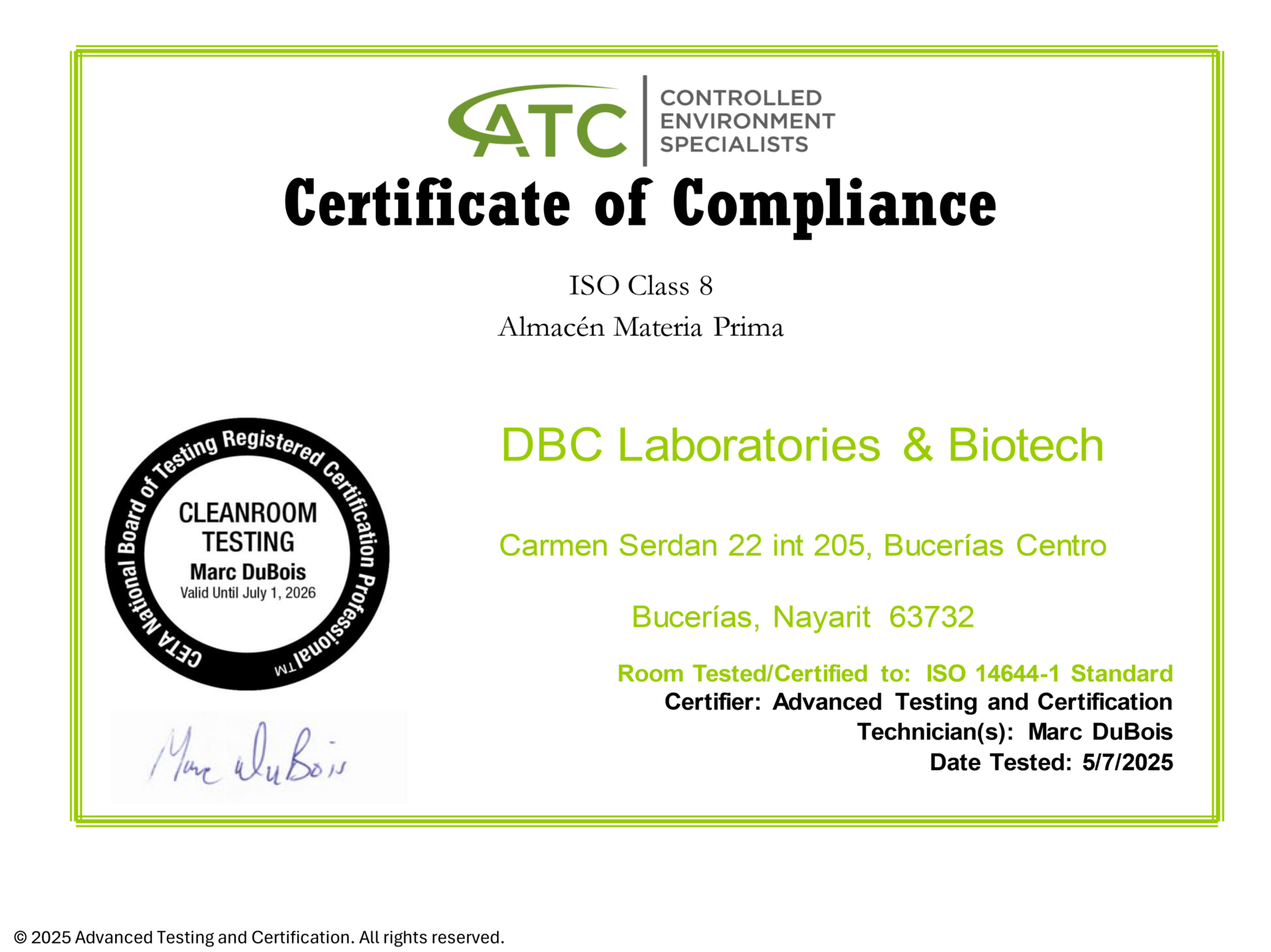
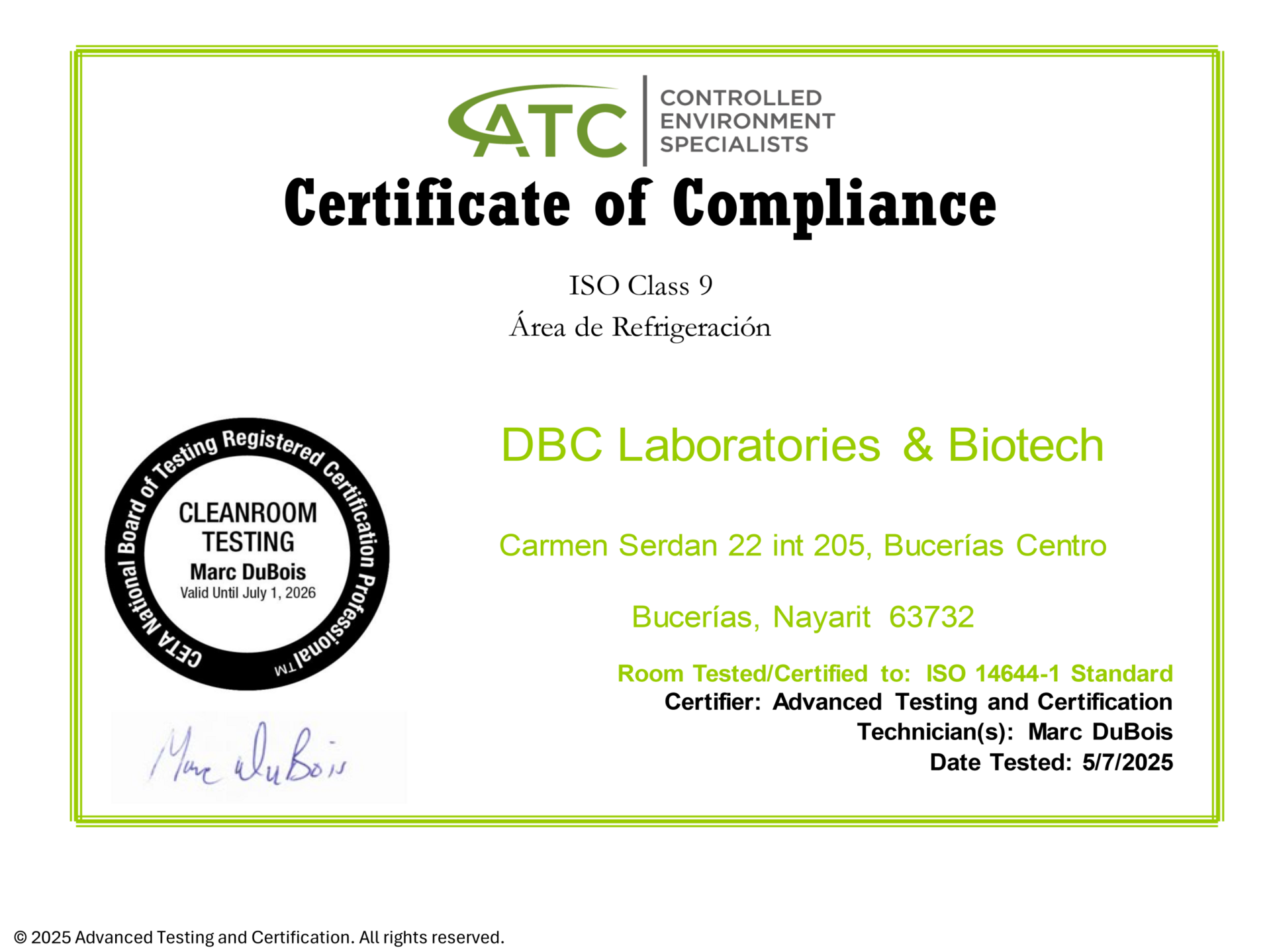
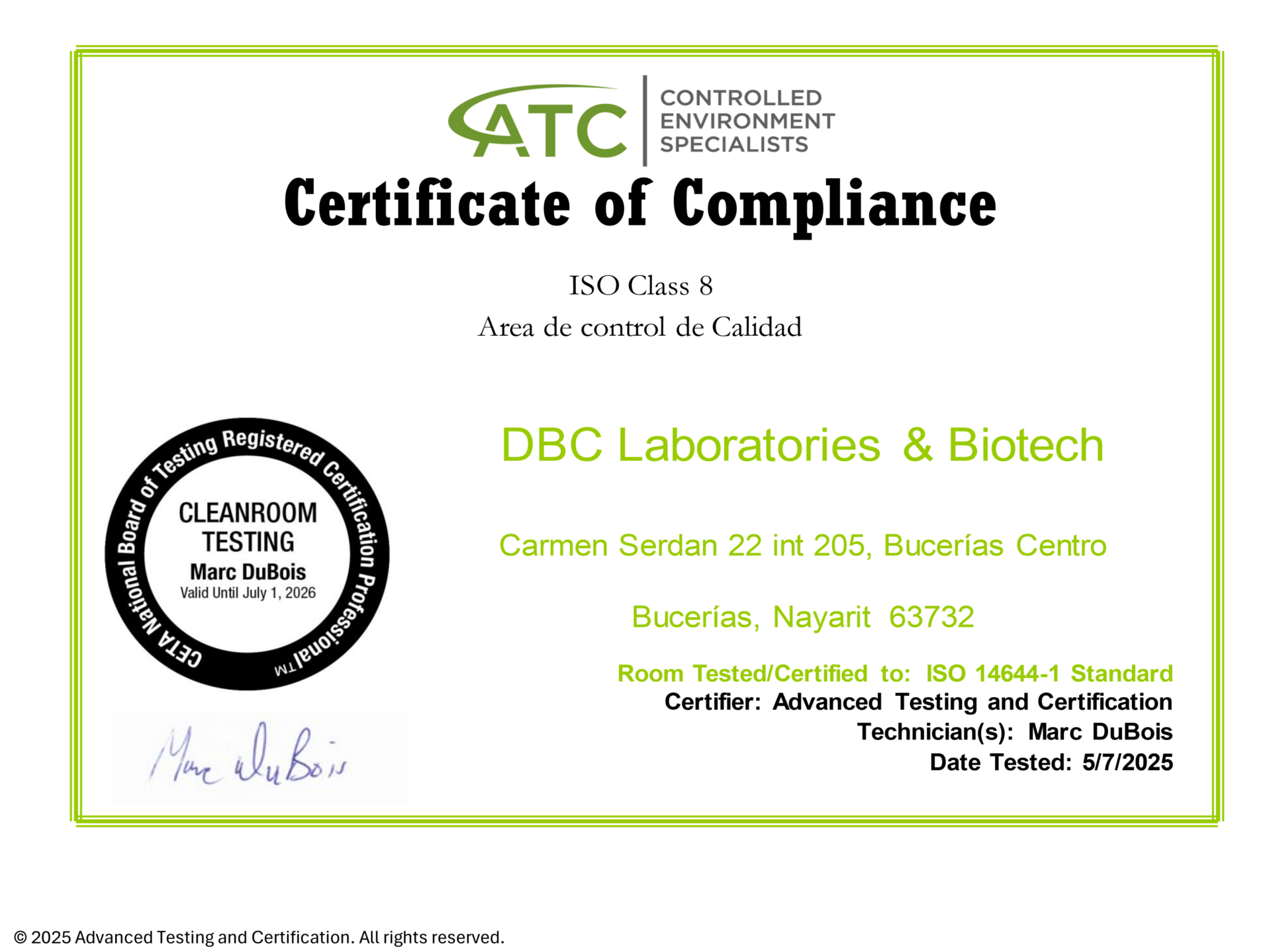
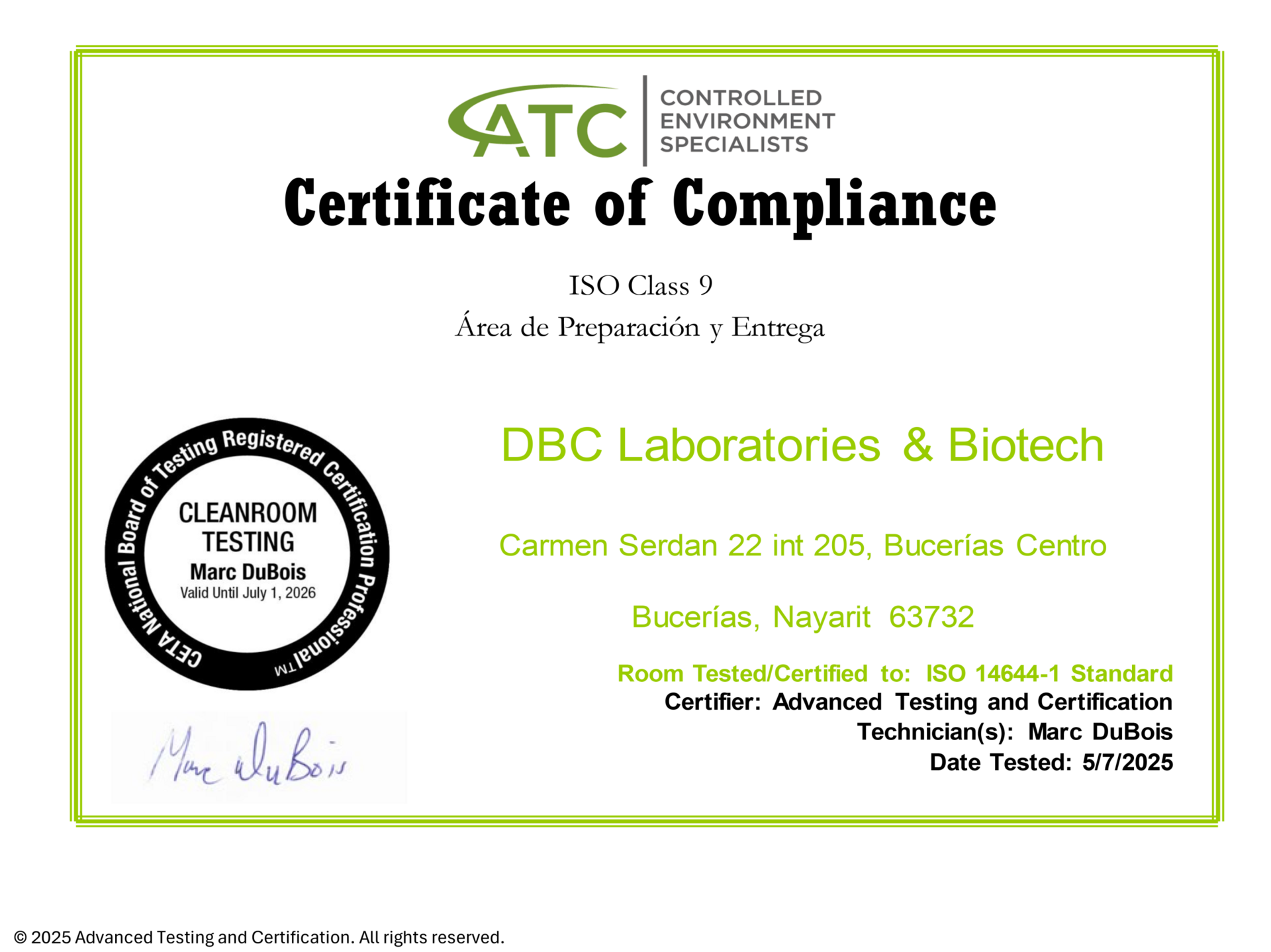
- ISO 7 cleanroom certification / classification documentation.
- The third-party lot-specific analysis report for the cells they will receive (flow cytometry, sterility, mycoplasma, endotoxin).
- Informed-consent materials that describe the allogeneic source, never-frozen handling, and the experimental/regenerative nature of the therapy in Mexico.
COFEPRIS Licensing
Our laboratory is licensed by COFEPRIS (Mexico’s federal health authority) for:
- Production of stem cells
- Storage of stem cells as a cryobank (frozen cells are stored only for research; treatment cells are always never-frozen)
- Practice of regenerative medicine
What COFEPRIS licensing covers and does not cover
| Aspect | Covered by our COFEPRIS licenses | Not covered / important limitation |
|---|---|---|
| Laboratory production of MSCs | Yes | — |
| Cryobank storage | Yes (research only) | Treatment cells are never frozen |
| Regenerative medicine practice | Yes | Does not equal FDA approval or proven efficacy for every indication |
| Specific clinical indications | Practice is licensed | Individual treatment outcomes are not guaranteed; results vary |
| Export / use outside Mexico | No | Treatments are performed in Mexico |
ISO 7 Clean Room
Does an ISO 7 clean room certify the safety or effectiveness of a stem cell treatment?
No. An ISO 7 cleanroom classification means the room meets specified limits on airborne particles (typically ≤ 352,000 particles ≥ 0.5 µm per cubic meter under the relevant conditions). This is an environmental control standard used for the production of injectable products. It reduces contamination risk during manufacturing but does not certify that a finished stem-cell product is safe, sterile, or effective for any particular medical condition. Safety and quality are addressed by the combination of cleanroom controls, GMP processes, donor screening, and release testing (sterility, endotoxin, mycoplasma, identity).
FAQ
What are certified human mesenchymal stem cells from Wharton’s Jelly?
See the definition and ISCT marker criteria above. They are culture-expanded MSCs isolated from the gelatinous connective tissue of the umbilical cord.
How are Wharton’s Jelly umbilical cord tissue stem cells sourced and tested?
From screened live births (see donor criteria). Expanded under GMP/xeno-free/physoxic conditions. Each lot is tested by third-party COFEPRIS-authorized labs for identity (flow cytometry), sterility, mycoplasma, and endotoxin before release.
Are placenta-derived mesenchymal stem cells certified for treatment?
We also use placenta-derived MSCs that meet the same release criteria. “Certified” refers to the laboratory’s regulatory status and quality systems, not a product-specific efficacy approval.
What does a COFEPRIS-licensed stem cell clinic mean?
The laboratory holds Mexican federal licenses for production, cryobank storage (research), and regenerative medicine practice. It does not mean the treatments are FDA-approved or that results are guaranteed.
What does an ISO 7 clean room mean for stem cell production?
It is an environmental particle-control standard that supports cleaner manufacturing of injectable products. It is one part of the quality system, not a guarantee of product safety or effectiveness.
Are never-frozen MSC treatments different from cryopreserved cells?
Yes. Never-frozen cells are taken from culture the day before use and administered within 24 hours, avoiding freeze-thaw stress. We store frozen cells only for research.
Ready to Learn More?
📞 Free consultation: (888) 704-3977 or WhatsApp +52 322 232 1055
🌐 www.dreambody.clinic
📍 Dream Body Clinic — Bucerías, Nayarit (Puerto Vallarta area), Mexico
Educational content about our regenerative protocols. Results vary. Consult your physician.
Citation Notes
National Library of Medicine MeSH: Wharton Jelly contains mesenchymal stem cells (D059631).
Stefańska et al., J Clin Med 2020 (PMC7230974): WJ-MSCs express CD105, CD73, CD90; do not express MHC-II; immunomodulatory properties.


Dream Body Clinic Certified Stem Cells
Dream Body Clinic only provides certified human mesenchymal stem cells derived from Wharton Jelly (umbilical cord tissue) and placenta from live, healthy births.
Our Lab is licensed by the Mexican health board COFEPRIS (Mexico’s FDA) to produce stem cells, to store stem cells as a cryo-bank (We only store frozen cells for research and always administer never frozen MSCs for treatments) and licensed to practice regenerative medicine. All 3 licenses are listed further down on this page.
This guarantees that they have the highest quality standards in the collection, expansion and application of mesenchymal stem cells. This is to ensure a highly safe product that is free of pathogens. Our quality control is based on good manufacturing practices (GMP) and the standards recommended by the International Society of Cell Therapy and the Latin American Mesenchymal Stem Cell Society of which we are members. We expand using a GMP-Grade Xeno-Free Culturing Medium.
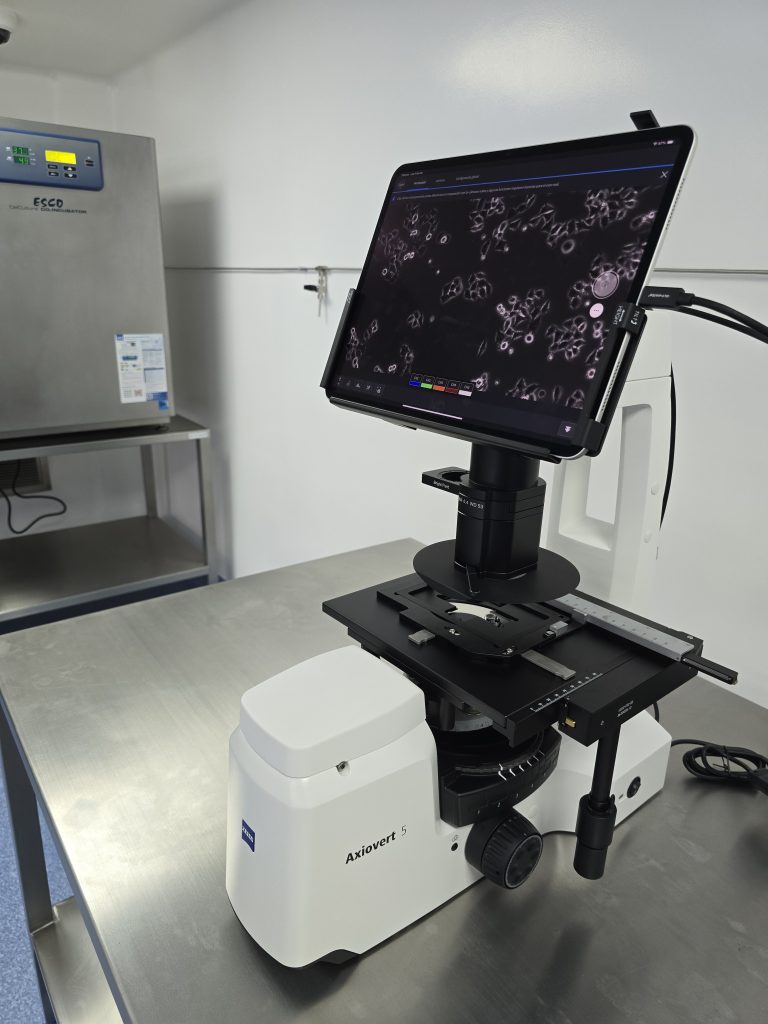
The laboratory enters the qualification of ISO 7 (Cleanroom), which mean they meet the necessary requirements to make injectable products. We have specialized equipment such as Esco Life Sciences brand incubators and laminar flow hoods that guarantee the complete innocuousness of the cellular product. The cells are obtained from Wharton Jelly (Umbilical Tissue) and Placenta tissue which is extracted from previously selected donors under a rigorous medical screening that includes complete clinical history, serologic tests (HIV, Hepatitis C and B, syphilis, and Chagas), with high inclusion criteria so that they can be candidates for the donation. Once the sample has been obtained, several studies evaluated by third-party laboratories authorized by COFEPRIS are carried out, such as flow cytometry, microbiological tests (mycoplasma and endotoxins).
Another step to our certified stem cells is that we do not take Wharton Jelly or Placenta from mothers that have had the Covid Vaccine. We feel that further study should be done on these before we take tissue from mothers that have had it due to the MRNA involved. We ask the mothers then verify with the federal database that lists all covid vaccine recipients in Mexico.
We Culture our MCSs in a Physoxic Environment as that mimics an internal human environment. This prevents cell death on administration.
Some clinics market that they have hypoxic stem cells, but that is misleading as any culture environment is a hypoxic (low oxygen) environment. This is what you really need to know and understand to get through the marketing terms:
There are two different techniques in cell biology for low oxygen cell culture:
1.) Hypoxia: This refers to a condition where there is a deficiency in the amount of oxygen reaching the tissues. It can occur in various contexts, such as in high-altitude environments, lung diseases, heart conditions, or during anesthesia. Hypoxia can have detrimental effects on bodily functions and, if severe and prolonged, can lead to tissue damage or even death.
2.) Physoxia: Physoxia, on the other hand, refers to a state where cells are exposed to physiological levels of oxygen, typically around 5% to 15% oxygen concentration, which is closer to the oxygen levels found in tissues in vivo. Physoxia with standard cell culture conditions, where cells are often cultured in an atmosphere of around 20% oxygen, which is higher than physiological levels. Physoxia is increasingly recognized as important in cell culture studies, particularly in fields like stem cell research and cancer biology, as it more accurately mimics the in vivo environment and can influence cellular behavior and responses.
If you culture your stem cells with the conventional method with ambient oxygen (20-21%), once you inject your stem cells to the human body with maximum 13% oxygen in tissue level you are giving a shock to the stem cells and push them to cell death. This is why we have specialized incubators that allow us to culture in a physoxic environment of around 13% oxygen.
Key Points about Our Stem Cells
Our stem Cells are never frozen. We take the stem cells out of cultivation the day before treatment and administer within 24 hours.
We screen our umbilical cord donors. All donors must be between the ages of 18 and 25. They must be 1st time mothers and they must be married. We ask if they have received any COVID vaccines then we verify with their CURP number in the federal database.
The first 3 passages of cultivation are often considered the 1st passage by other clinics. This is because the MSCs taken from their host tissue experience a lot of trauma. It takes these 3 passages to get to MSCs that are worth using. The traumatized MSCs are trying to survive and release very little extracellular vesicles such as exosomes or growth factors. We count all 3 of these passages unlike other clinics. We then go 2 more passage for the best stem cells possible.
All Patients receive a 3rd party analysis of their stem cells just like in the example below.
Reviewed by the treating physician
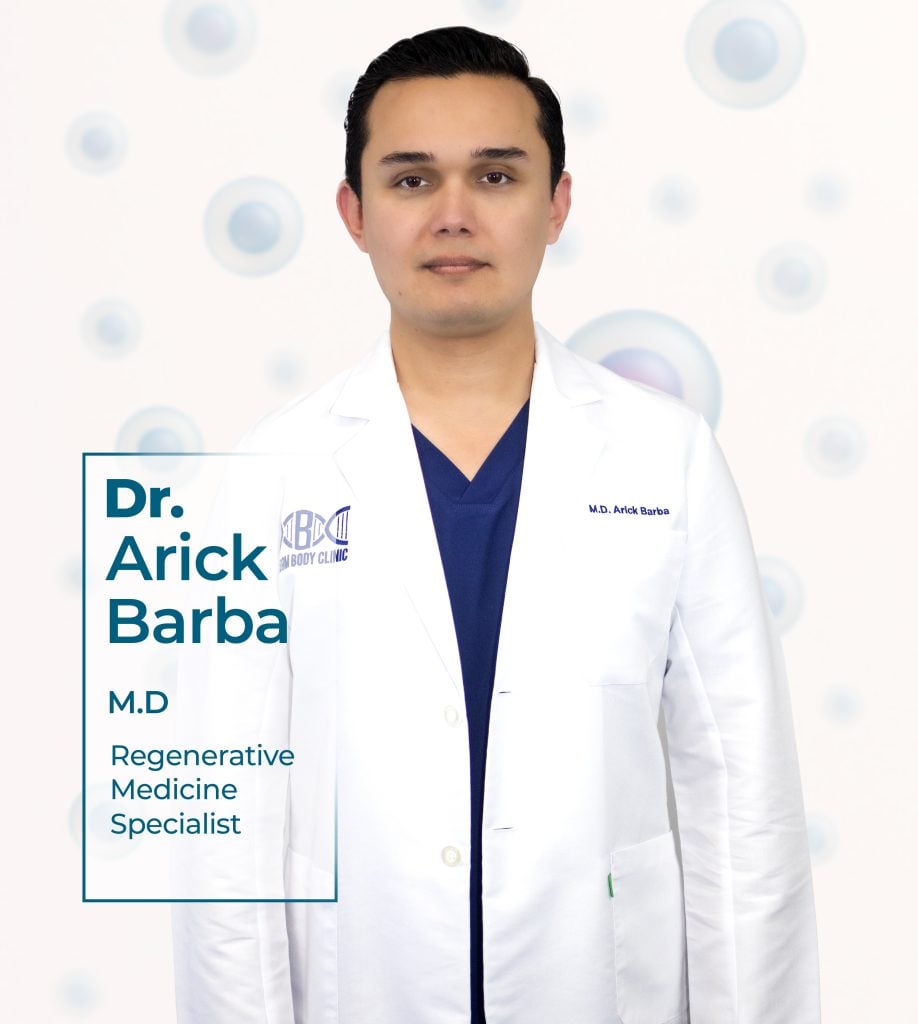
Dr. Arick Francisco Barba Lopez
Head Physician
Dream Body Clinic, Bucerias, Mexico
- Graduate, Universidad Autónoma de Guadalajara
- Graduate certificate in regenerative medicine
- About 10 years administering mesenchymal stem cell therapies
- Honoris Causa, UNCEMA, 2021
- Reviews this page for protocol, dose, and candidacy accuracy
Content last reviewed September 26, 2026 · Next scheduled review March 2027
This page describes a clinic protocol, not an FDA-approved U.S. indication.