Autism
Stem Cell
Treatment
Optimize Brain Function, Modulate the immune system and Reverse inflammation.
Are you or a loved one suffering from Autism? Then it’s time to consider stem cell therapy as an effective treatment option.
What’s included in your protocol
100 Million Stem Cell IV
Cutting-edge mesenchymal stem cell infusion administered intravenously by our highly skilled medical team in a sterile, state-of-the-art facility.
2 Nebulized Sessions of 25 million Stem Cells
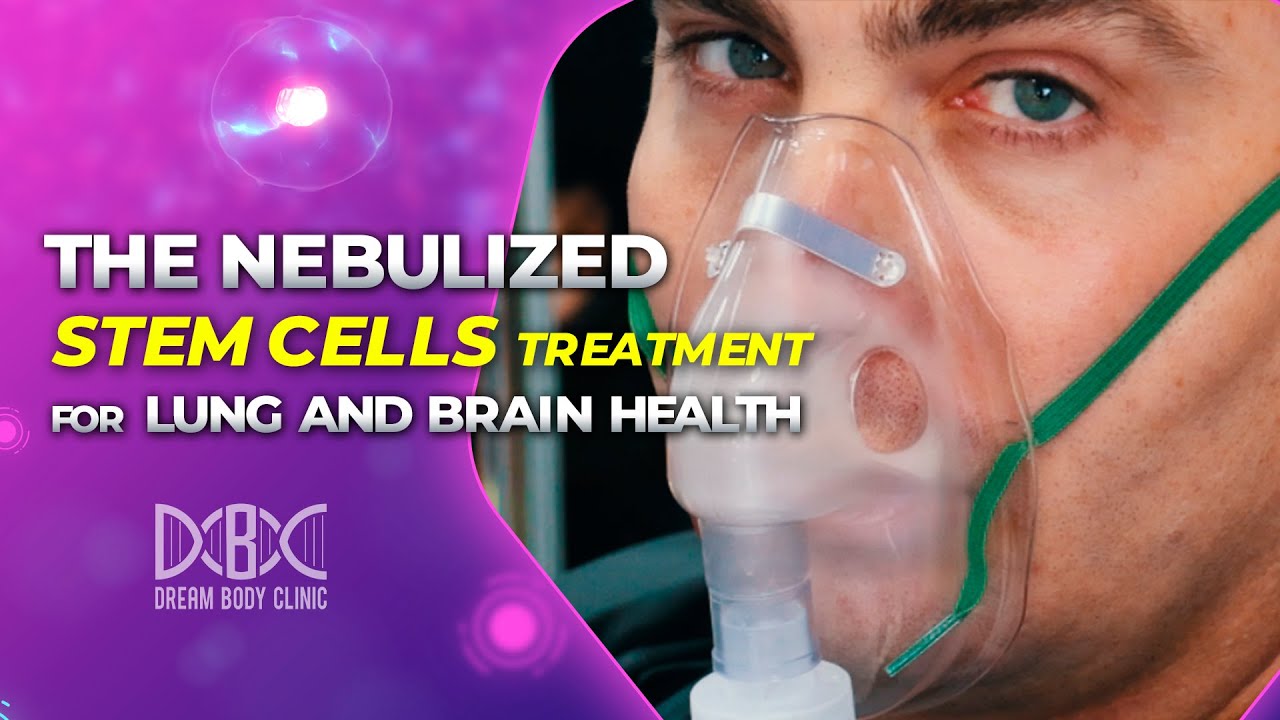
Breath in Nebulized Stem Cells that will go to the mucus membrane and cross to the carotoid artery which allows direct acess to the brain.
We require patients to be in town for at least 4 days
Below is what a typical schedule looks like, but exact details are subject to change depending on availability and schedule. If you are in town for more than 4 days then the itinerary may not be all consecutive days.
The Autism Stem Cell Treatment at Dream Body Clinic
Don’t let Autism hold your child back from living their best life. Our goal is to help you accomplish all of your health and wellness goals .
Our Autism stem cell treatment is a stem cell therapy done with a 100 million stem cell IV + 2 nebulized sessions of 25 million stem cells. The IV stem cells go through the body to target inflammation and help repair gut health. There is a huge connection between gut and mental function so this part is very important. The nebulized stem cells are able to go directly to the mucus membrane in the nasal cavity and cross over to the blood stream. This allows them to bypass the first round pass of the lungs and heart that IV administered stem cells go through. By bypassing the lungs and heart the stem cells are able to go straight to the brain which is what we want for autism. Our lab has confirmed that nebulizing the stem cells is safe and effective.
We recommend autistic patients do a blood panel and/or hair follicle test of metal toxicity before coming. We ask this because we usually find that autistic patients have high metal content which needs to be dealt with first. If the patient has high metal levels then we recommend looking into chelation or using supplements like chlorella to remove as much metal toxicity as possible.
We have helped so many children and adults improve cognition, speech, food options and more with this protocol. Call us today for a free consultation.
Hear it from our Medical Team
Two short videos covering how Autism Stem Cell Treatment works and what to expect.
How does the Autism Stem Cell Treatment Work?
The studies back up the fact that stem cells get to the brain either by IV injection or nebulized administration of Mesenchymal Stem Cells (MSCs). Once the MSCs get to the brain they get to work targeting inflammation. The neuropathological hallmarks of Autism are often accompanied by neuroinflammation, which is intended to protect the body, but also can contribute to aggravation of damage when it becomes excessive. This is why the ability of MSCs to reduce the brain inflammation is so important.
Mesenchymal Stem Cells have a profound effect on macrophages and in the brain these are microglia. The microglia account for 10% to 15% of the cells in the brain. They are very important, so if they are not working properly then brain health will be off balance. The studies above show that the mesenchymal stem cells do a great job of helping the microglia function properly and proliferate. The microglia are resident macrophage cells, they act as the first and main form of active immune defense in the central nervous system (CNS). In Autism it is believed that plaque build up and inflammation may contribute to the disease. The microglia are responsible for removing plaque, damaged or unnecessary neurons or synapses, and infectious agents. So having plenty of healthy microglia is extremely important to brain health. The MSCs have been shown in multiple studies to increase the number of microglia.
The MSCs also help regulate Astrocytes. Astrocytes perform many functions such as biochemical support of endothelial cells that form the blood–brain barrier, provision of nutrients to the nervous tissue, maintenance of extracellular ion balance and a role in the repair and scarring process of the brain and spinal cord following traumatic injuries. The brain repair role is very important for ASD. There are multiple theories to what causes Autism and all relate back to microglia and Astrocyte function, making the Autism stem cell treatment very effective.
MSCs also release neurotrophic factors that guide neural regeneration. Neuronal loss in Autism is partly compensated by MSC transplantation, and this may be one of the mechanisms for MSC therapy in ASD.
The research is ongoing with MSCs for ASD, but waiting is not an option for most people. This is why we do these treatments. Most people with Autism are children and that leaves the parents in a tough position of full time caregiver. Our goal is to help as many people as possible regain their cognitive function and help these patients lead a more normal life.
Immunomodulation
MSCs modulate the immune system by blocking the production of inflammatory cytokines — small proteins secreted by immune cells that contribute to inflammation — and they also increase the production of anti-inflammatory cytokines.
Regulation of Glial Cell Function
Glial cells play an important role in the pathogenesis of autism. MSCs can alter glial cell activity by resetting their function. This allows the glial cells to start removing waste or debris that can be blocking neural connections.
Regulation of Neurogenesis
In Autism, brain function is paramount. MSCs help guide neurogenesis, which is new neuron formation. This helps improve cognition and brain function.
Promotion of Neovascularization
In Autism blood flow to the brain is of the utmost importance. MSCs help guide new blood vessel formation (neovascularization). More blood means a better functioning brain.
Overall, the beneficial effects of MSCs on the immune system appear to be multiple and varied and may contribute to their potential use as a therapy for Autism.
How Mesenchymal Stem Cells Benefit the Gut Brain Axis
- Dysbiotic microbes can produce pro-inflammatory compounds or alter short-chain fatty acid (SCFA) production, serotonin synthesis (much of which occurs in the gut), and other metabolites that travel via blood or nerves to affect brain function.
- This can contribute to neuroinflammation, impaired synaptic development, altered neurotransmitter balance, and behavioral symptoms (e.g., anxiety, irritability, repetitive behaviors, or social difficulties).
Reducing Intestinal Inflammation and Permeability
AMSCs suppress local immune overactivation in the gut lining. They decrease pro-inflammatory cytokines and promote anti-inflammatory ones (e.g., IL-10, TGF-β). Exosomes carrying specific miRNAs (such as miR-155 or miR-181a) and TGF-β can strengthen the intestinal barrier, reducing “leaky gut” that allows harmful bacterial products (like lipopolysaccharides) to enter the bloodstream and trigger systemic or brain inflammation. https://pmc.ncbi.nlm.nih.gov/articles/PMC12834372/
Modulating Gut Microbiota Composition
By creating a less inflammatory gut environment and influencing microbial metabolism, MSCs help restore a healthier balance of beneficial bacteria (e.g., those producing anti-inflammatory SCFAs like butyrate). Preclinical evidence (e.g., bone marrow MSC studies in ASD models) shows shifts in microbiota profiles that correlate with behavioral improvements. https://www.sciencedirect.com/science/article/abs/pii/S0024320523009657
Improving Metabolic and Signaling Pathways
MSCs influence metabolite production (e.g., SCFAs, tryptophan derivatives) that signal to the brain. This can normalize pathways affecting serotonin, dopamine, or GABA systems, which are often dysregulated in ASD. Reduced gut-derived inflammation also lowers overall systemic immune activation that can reach the brain.
Downstream Brain Benefits
These gut changes indirectly support the other MSC mechanisms (e.g., reduced neuroinflammation, better synaptic function). The result can be improvements in both GI symptoms and core ASD behaviors, as observed in some animal models and early human reports.
How Mesenchymal Stem Cells Benefit Paracrine Neurotrophic Support and Synaptic Plasticity
MSCs work via the paracrine effect. This means they send out signals and growth factors via exosomes to target areas of inflammation. They then guide the healing process via these sent out signals such as growth factors, cytokines and chemokines.
BDNF (Brain-Derived Neurotrophic Factor)
BDNF is the most studied and versatile neurotrophin in the brain. It is often called “Miracle-Gro for neurons.”Key Functions:Promotes survival and differentiation of new neurons (neurogenesis). Stimulates growth of dendrites and axons, increasing connectivity. Enhances synaptogenesis (new synapse formation) and synaptic plasticity Regulates neurotransmitter systems Has anti-inflammatory and neuroprotective effects under stress. Relevance to ASD:BDNF signaling is frequently dysregulated in ASD. Altered BDNF is linked to atypical brain overgrowth in early childhood, impaired synaptic pruning, reduced dendritic spines, and difficulties with social learning, memory, and sensory processing. Restoring balanced BDNF signaling can improve social behaviors and reduce repetitive actions in animal models How MSCs Help: MSCs secrete BDNF directly or package it (along with BDNF-related miRNAs) into exosomes. This provides a sustained, localized supply that crosses the blood-brain barrier more effectively, helping to normalize plasticity without the risks of systemic BDNF overexpression.
GDNF (Glial Cell Line-Derived Neurotrophic Factor)
GDNF belongs to the TGF-β superfamily and is especially protective for certain neuron populations.Key Functions:Strongly supports survival of midbrain dopamine neurons (involved in reward, motivation, and social behavior). Promotes neurite outgrowth. Protects neurons from oxidative stress, inflammation, and apoptosis. Supports glial cells, which in turn nurture neurons. Helps maintain neuromuscular junctions and sensory neurons. Relevance to ASD:Dopaminergic and glial dysfunction contribute to social reward deficits, repetitive behaviors, and sensory issues in ASD. GDNF levels or signaling can be altered, and boosting it may help restore circuits involved in motivation and motor control. How MSCs Help: MSCs are good producers of GDNF. Their exosomes deliver it to affected brain regions, providing neuroprotection and supporting circuit repair. This complements BDNF by targeting different
NGF (Nerve Growth Factor)
MNGF was the first neurotrophin discovered and remains crucial for specific neuron types.Key Functions:Essential for development and survival of sensory and sympathetic neurons. Promotes axonal growth and target innervation. Modulates inflammation and pain pathways. Supports cholinergic neurons. Relevance to ASD:NGF abnormalities are linked to sensory hypersensitivity/over-reactivity , altered pain perception, and attentional issues. It interacts with BDNF pathways, so imbalances can compound developmental problems. How MSCs Help: MSCs release NGF as part of their secretome, contributing to overall neurotrophic support. This helps with peripheral-central nervous system crosstalk and sensory circuit maturation. .
How These Factors Work Together in MSC Therapy
Synergistic Effects — BDNF, GDNF, and NGF don’t act in isolation. They activate overlapping signaling pathways that promote neuron survival, growth, and plasticity. MSC exosomes often carry multiple factors plus regulatory miRNAs that fine-tune their effects. Targeted Delivery — Exosomes allow localized action in inflamed or under-connected brain areas, guided by signals from damaged tissue. Broader Impact in ASD — By supporting neurogenesis, synaptogenesis, dendritic complexity, and synaptic strength, these factors help address core connectivity issues. In preclinical ASD models, this translates to measurable improvements in social interaction, communication, and behavior. Duration — Effects can persist weeks to months after treatment because the factors trigger longer-term changes in gene expression and circuit remodeling. While promising, BDNF/GDNF/NGF levels must be balanced—too much or too little can be problematic. MSC therapy aims to restore physiological balance rather than flood the system. Human evidence is still emerging from early trials, with stronger support from animal and in vitro studies.This paracrine neurotrophic mechanism is a major reason MSCs are considered a regenerative approach with good safety potential. .
Overall, the ability of MSCs to modulate Paracrine Neurotrophic Support and Synaptic Plasticity makes them a great therapy for Autism.
How MSCs Benefit Tissue Regeneration
Mesenchymal stem cells (MSCs) have been shown to benefit tissue regeneration in the treatment of autism. Here are some of the ways that MSCs may benefit tissue regeneration in Autism treatment:
Promotion of Tissue Repair
MSCs can promote tissue repair by secreting growth factors and cytokines that stimulate the growth and differentiation of tissue-specific cells. This can be particularly important in the case of Fibromyalgia, where damage to various organs and tissues can occur.
Modulation of the Immune System
MSCs can modulate the immune system by suppressing inflammation and reducing autoimmune reactions. This can help to reduce tissue damage and create a more favorable environment for tissue regeneration.
Promotion of Angiogenesis
Angiogenesis refers to the process of new blood vessel formation, which is critical for tissue regeneration. MSCs can promote angiogenesis by secreting factors that stimulate the growth of blood vessels and improve blood flow to damaged tissues.
Guidance of Tissue-Specific Cells
MSCs have the ability to guide tissue-specific cells, such as chondrocytes, osteocytes, and adipocytes. This can be particularly useful in cases where tissue damage or loss has occurred.
Overall, the ability of MSCs to promote tissue repair and regeneration, as well as modulate the immune system, makes them a wonderful therapy for Autism Spectrum Disorder (ASD).
Autism Stem Cell Treatment and Chemotaxis
Chemotaxis is the process by which cells are attracted or repelled by specific chemicals in their surrounding environment. The chemicals that act as the attractants or repellents are called chemotactic agents, or chemotaxins. Chemotaxis is an essential process for many biological functions, such as immune responses, wound healing, embryonic development, and bacterial movement.
In the context of regenerative medicine, MSCs are often used to repair or replace damaged tissues. Chemotaxis plays an essential role in the migration of MSCs to the site of tissue damage. When an injury occurs, cells in the damaged tissue release chemotactic agents that attract MSCs to the site of the injury. Once MSCs reach the damaged tissue, they can guide differentiation and regeneration of various cell types to help repair the damaged tissue.
Chemotaxis is regulated by several signaling pathways, including the phosphoinositide 3-kinase (PI3K)/Akt and mitogen-activated protein kinase (MAPK) pathways. These pathways help to regulate the migration and differentiation of MSCs by controlling the expression of various genes and proteins.
Chemotaxis is also an important process in immune responses, as immune cells must be able to migrate to sites of infection or injury to fight off pathogens and repair damaged tissues. In this context, chemotaxis is regulated by various cytokines and chemokines that are produced by the tissue.
Thus, chemotaxis is a fundamental biological process that plays a crucial role in tissue repair, immune responses, and many other physiological processes. This process is crucial for reversing Autism Symptoms.
Fibromyalgia Stem Cell Treatment Studies
The science backing our protocol — selected peer-reviewed studies on MSC immunomodulation, tissue regeneration, and homing.
Side Effects or Risks
The only side effects that have been documented are the following:
- 1 in 100 people will experience a slight fever and/or headache for a few hours after treatment or the next day. We have found that 500mg of Tylenol easily resolves this issue.
- Any treatment involving an injection such as an IV runs a risk of infection. We have never had a patient experience an infection due to our sterility protocols.
- A very small percentage of patients for this treatment will be non-responders. As with any medication or treatment there is always a chance of no change. Tylenol does not always fix a headache as an example.
- We do not treat patients that have had cancer within the past 5 years. There is still no conclusive evidence linking stem cells to make cancer worse, but we prefer to stay on the side of safety until more information is available.
- As with any medical treatment there is no guarantee of results, but our outcomes have been great for the vast majority of patients.
- In all patients who receive an intravenous treatment of any sort, there is a risk of releasing a thrombus or plaque from the veins, even more so if the patient has mainly high cholesterol levels. If a thrombosis or phlebitis were to occur, it would occur immediately. This has not been an issue with our patients, but any sort of IV has this risk. This is why we do bloodwork for all patients to make sure that treatment is as safe as possible for them.
How long do the Fibromyalgia Stem Cell Treatment results last?
The results from the fibromyalgia stem cell treatment can last for years or even indefinitely. This is because the stem cells are reprogramming your immune system to work the way it was designed to work. Once the immune cells are reprogrammed and any damage is repaired throughout the body then things will work the way they should. This will last because it is real regeneration and not just a pill to cover up symptoms.
The mesenchymal stem cells that are administered via IV will stay in the system for 8 months to a year. During that time they will interact with immune cells and seek out inflammation where they will guide cellular regeneration. After 8 to 12 months any MSCs that are free bound in your system will differentiate into an osteoblast (bone cell), adipocyte (fat cell) or chondrocyte (cartilage cell). They will then contain the donors HLA markers and your immune system will destroy and remove them. This is an easy process for your immune system and there is no negative reaction in your body from it. Some of the MSCs that were free bound from the IV will find capillaries to call home. They will attach and be considered a pericyte. When they do this they can live in your system indefinitely in a beneficial way to your system.
The Fibromyalgia Stem Cell Treatment is allowing your body to heal like it did when you were a little kid. There are a lot of other benefits outside of just fixing your Fibromyalgia symptoms such as anti-aging. Click Here for An in depth look at how the stem cell IV works for Anti-Aging
How to get the Fibromyalgia Stem Cell Treatment
In conclusion, the Fibromyalgia stem cell treatment could be a promising solution for individuals who are facing this condition. The Dream Body Clinic provides personalized treatment plans using stem cells to repair and regenerate damage to the whole body which may lead to improved mobility and relief of symptoms. While this treatment is not yet widely available, ongoing research suggests that it is a viable alternative to traditional Fibromyalgia management methods. If you are interested in learning more about this treatment, we recommend calling us for a free consultation at (888) 704-3977. If you are ready to get the Fibromyalgia Cell Treatment then click the image to the right for details on how to book.
Call (888) 704-3977
For a Free Consultation
Or email us anytime at info@dreambodyclinic.net