
Post Heart Attack Stem Cell Treatment
We require patients to be in town for at least 5 days. Below is what a typical schedule looks like, but exact details are subject to change depending on availability and schedule:
What’s included in your protocol
Typical Treatment Schedule
Watch & Learn
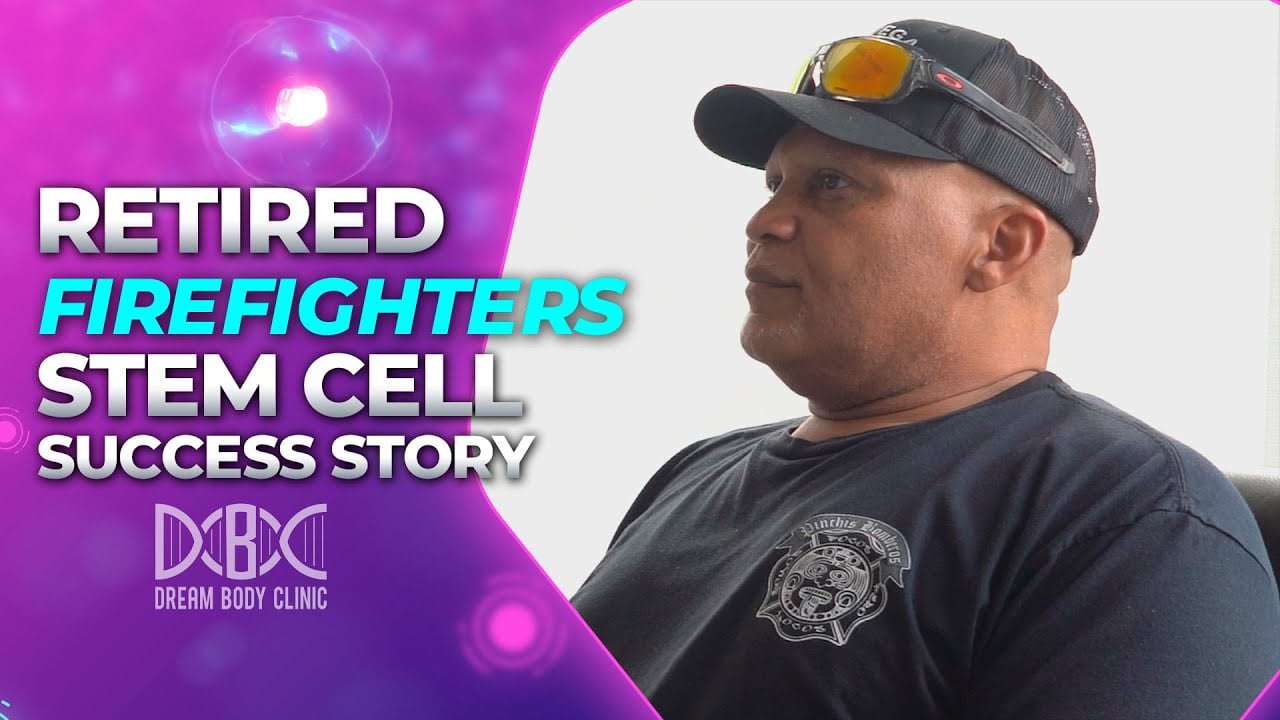
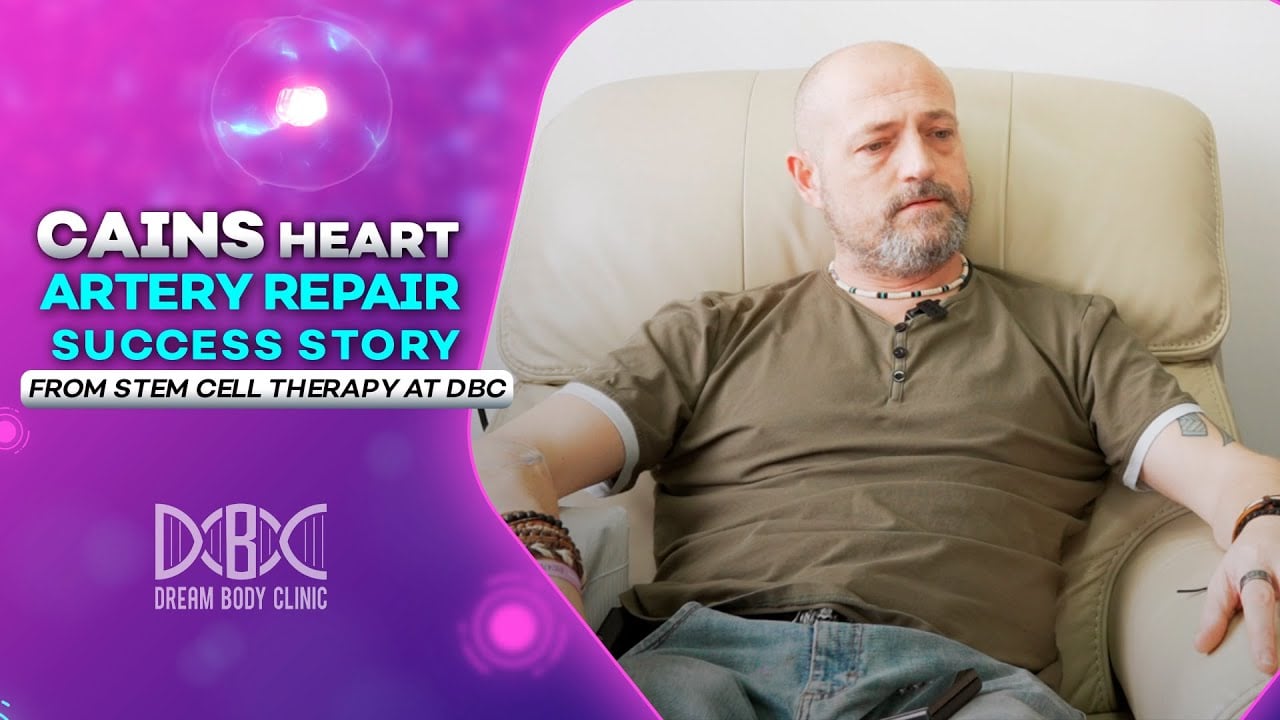
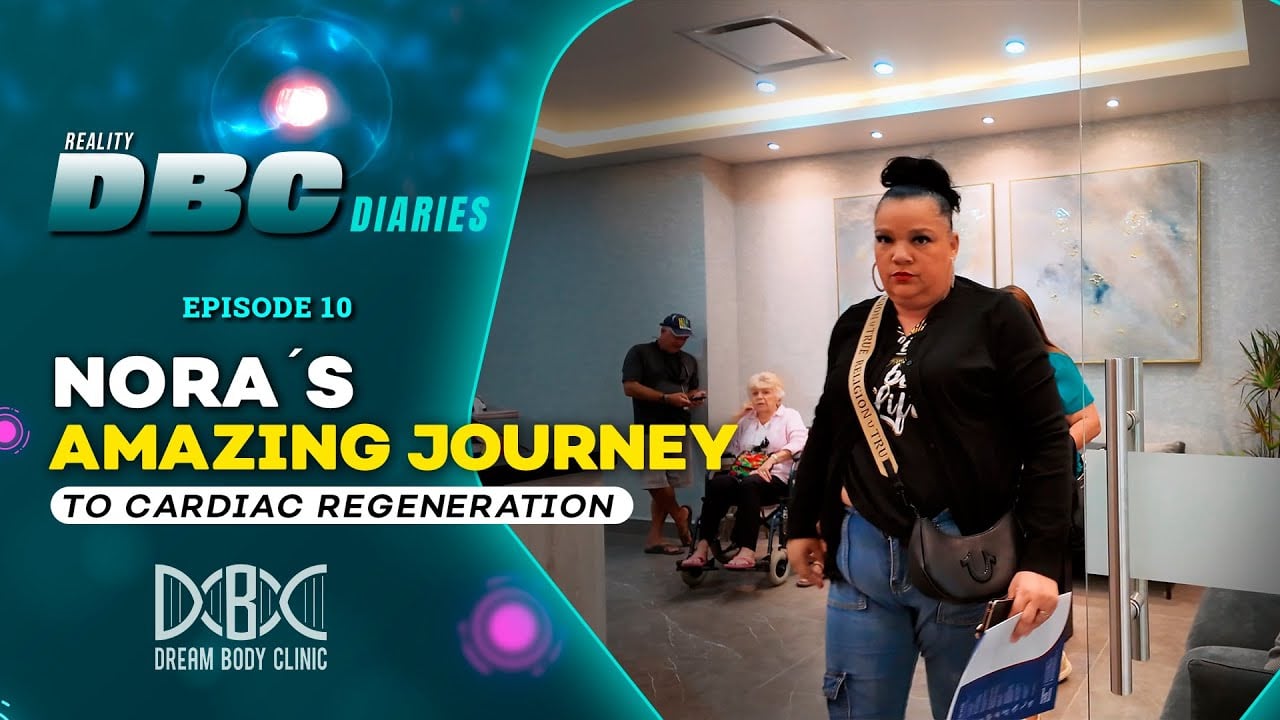
The Post Heart Attack Stem Cell Treatment at Dream Body Clinic
Improved heart function and reduced symptoms of Congestive Heart Failure (CHF)
Reduced inflammation and improved circulation in the heart
Regeneration of damaged heart tissue
Minimal recovery time and no hospital stay
Safe and effective treatment with few side effects
How do Mesenchymal stem cells work for Post Heart Attack Recovery?
How do Mesenchymal Stem Cells Reduce Heart Inflammation for Post Heart Attack Recovery?
Secretion of anti-inflammatory molecules: MSCs can secrete various anti-inflammatory molecules, such as interleukin-10 (IL-10), transforming growth factor-beta (TGF-β), and prostaglandin E2 (PGE2). These molecules inhibit the activity of immune cells and reduce inflammation.
Suppression of immune cell activity: MSCs can inhibit the activity of immune cells, such as T cells and B cells, that contribute to inflammation in the heart.
Modulation of macrophage polarization: MSCs can regulate macrophage polarization, which is important for inflammatory responses. They can induce macrophages to adopt a pro-resolving (anti-inflammatory) phenotype, which further reduces inflammation.
Reduce oxidative stress: MSCs can also reduce oxidative stress, which is a key contributor to inflammation in the heart. They can scavenge free radicals and promote antioxidant defense mechanisms, reducing the inflammatory response.
How does interleukin-10 reduce heart inflammation?
Suppressing the activity of immune cells: IL-10 can inhibit the activity of pro-inflammatory immune cells, such as macrophages and T cells, that promote inflammation in the heart.
Downregulating Toll-like receptor (TLR) signaling: IL-10 can inhibit TLR signaling, which is important for the activation of immune cells that trigger inflammation.
Inducing anti-inflammatory immune cells: IL-10 can promote the activity of anti-inflammatory immune cells, such as regulatory T cells (Tregs), that can suppress inflammation.
Reducing oxidative stress: IL-10 can also reduce oxidative stress, which can contribute to inflammation in the heart. It can promote antioxidant defense mechanisms and scavenge free radicals.
How does transforming growth factor-beta reduce heart inflammation?
How does prostaglandin E2 reduce heart inflammation?
Suppressing pro-inflammatory cytokines: PGE2 can inhibit the production of pro-inflammatory cytokines, such as interleukin-1 beta (IL-1β) and tumor necrosis factor-alpha (TNF-α), that contribute to inflammation in the heart.
Promoting anti-inflammatory cytokines: PGE2 can stimulate the production of anti-inflammatory cytokines, such as interleukin-10 (IL-10), which can help to reduce inflammation.
Modulating immune cell activity: PGE2 can modulate the activity of immune cells, including macrophages, dendritic cells, and T cells, to reduce inflammation. PGE2 can promote the activity of anti-inflammatory immune cells while inhibiting pro-inflammatory immune cells.
Reducing oxidative stress: PGE2 can also reduce oxidative stress in the heart, which can contribute to inflammation. It can promote antioxidant defense mechanisms and scavenge free radicals.
How do mesenchymal stem cells guide the regeneration of damaged heart tissue in Post Heart Attack Recovery?
Paracrine signaling: MSCs can secrete various factors that promote tissue repair, such as growth factors, cytokines, and extracellular vesicles. These factors can stimulate the growth and differentiation of resident stem cells and progenitor cells, leading to the regeneration of damaged heart tissue.
Promotion of angiogenesis: MSCs can also promote angiogenesis or the formation of new blood vessels in damaged heart tissue. This is important for bringing oxygen and nutrients to the site of injury and supporting tissue repair.
Modulation of the immune response: MSCs can modulate the immune response to the damage, reducing inflammation and promoting a pro-regenerative environment.
Regeneration of Contractile Cells: MSCs have the potential to guide various types of cardiovascular cells, including cardiomyocytes which are contractile cells that compose the heart muscle. Some studies thought that MSCs could differentiate into cardiomyocytes and regenerate the damaged heart tissue because the regeneration was incredible. It was later established in further studies that they simply guide the cardiomyocytes in combination with the other mechanisms listed here to regenerate the damaged heart.
ECM remodeling: MSCs can also contribute to the remodeling of the extracellular matrix (ECM) in damaged heart tissue, which is important for creating an environment that supports tissue repair.
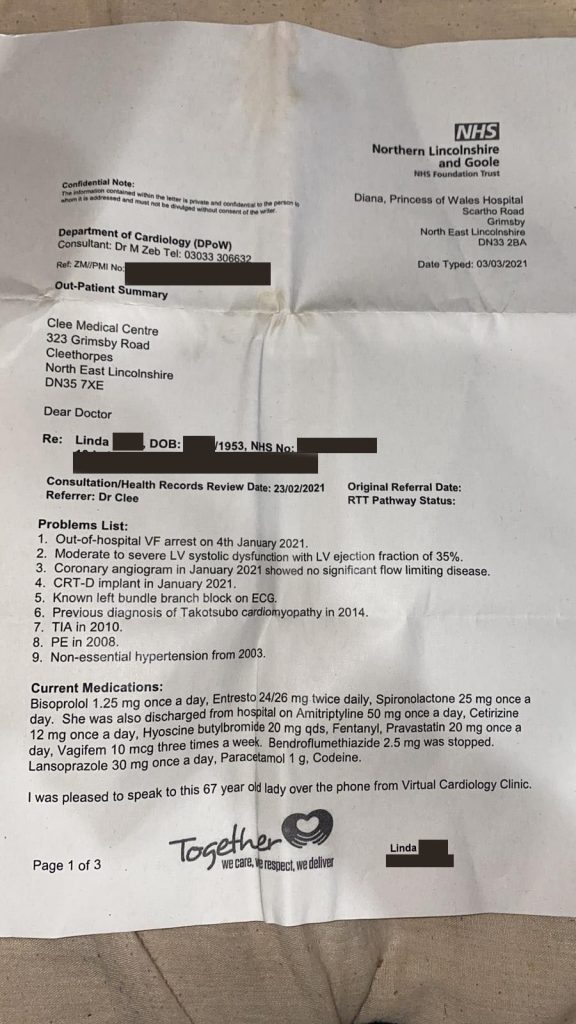
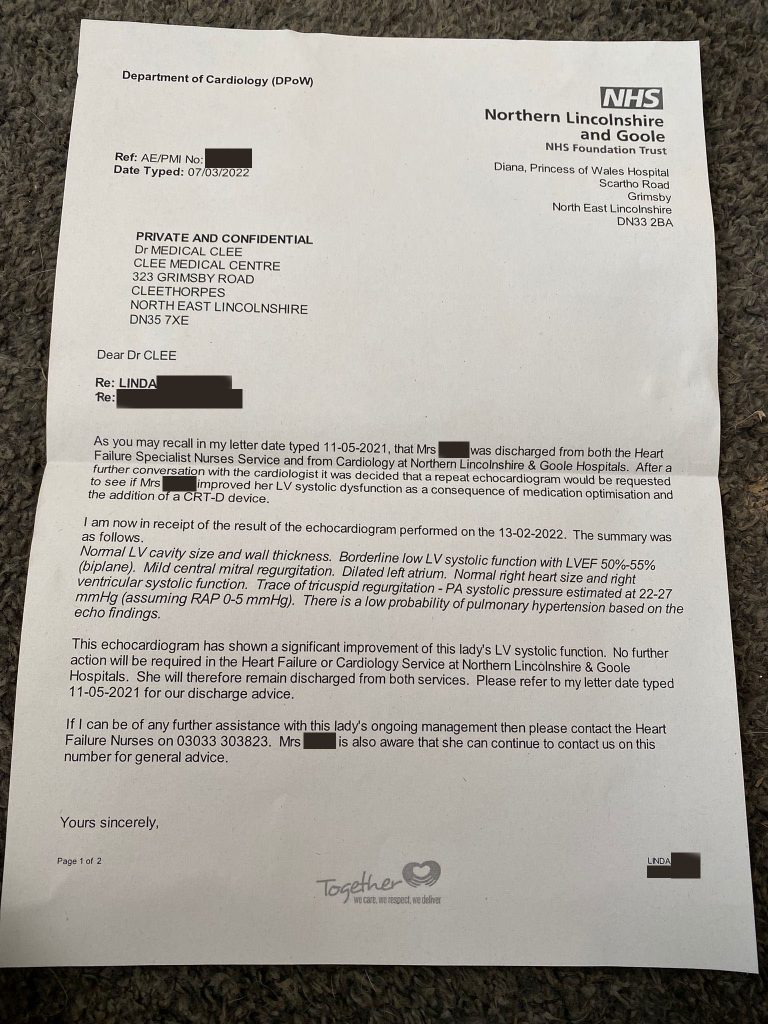
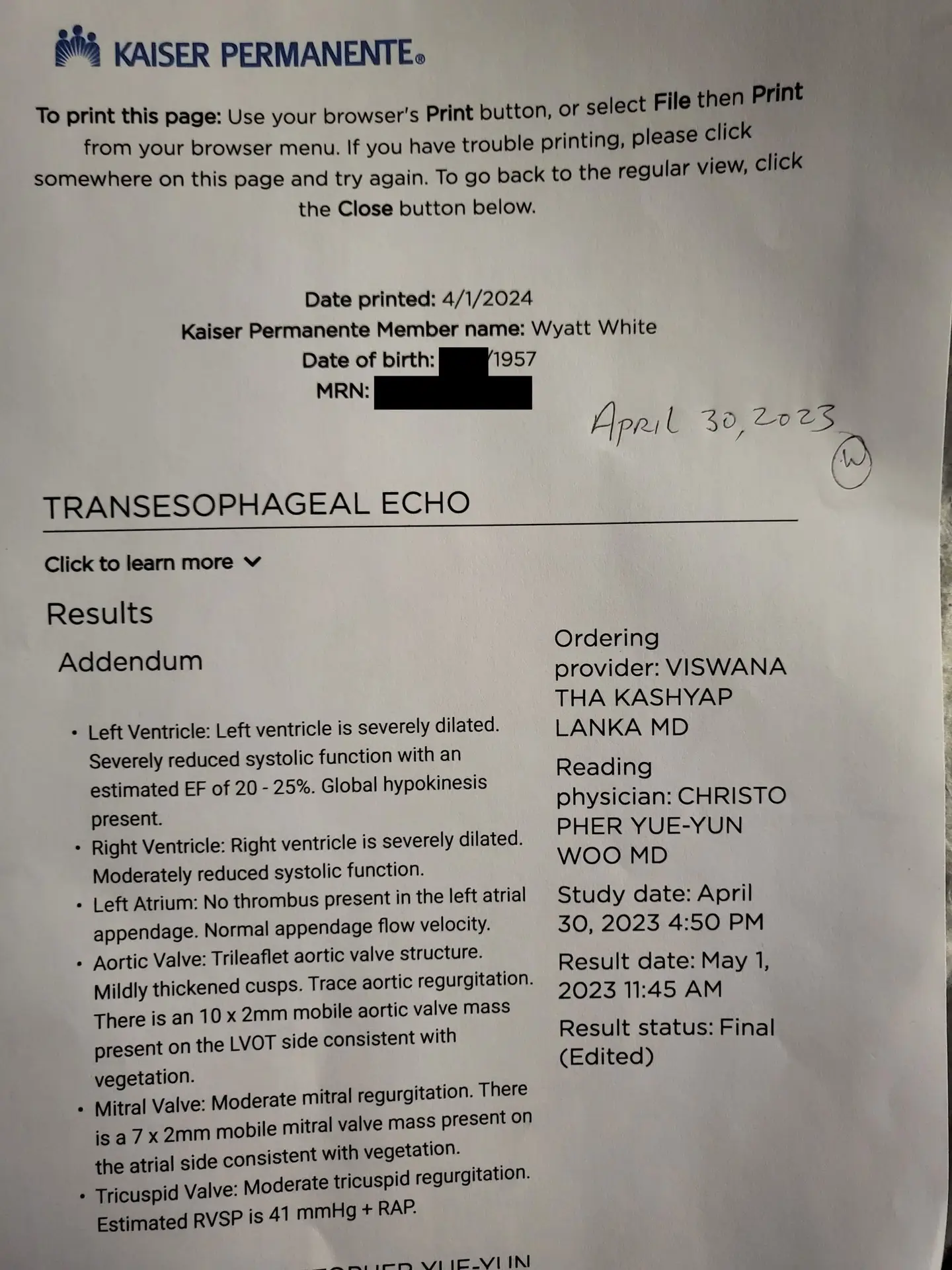
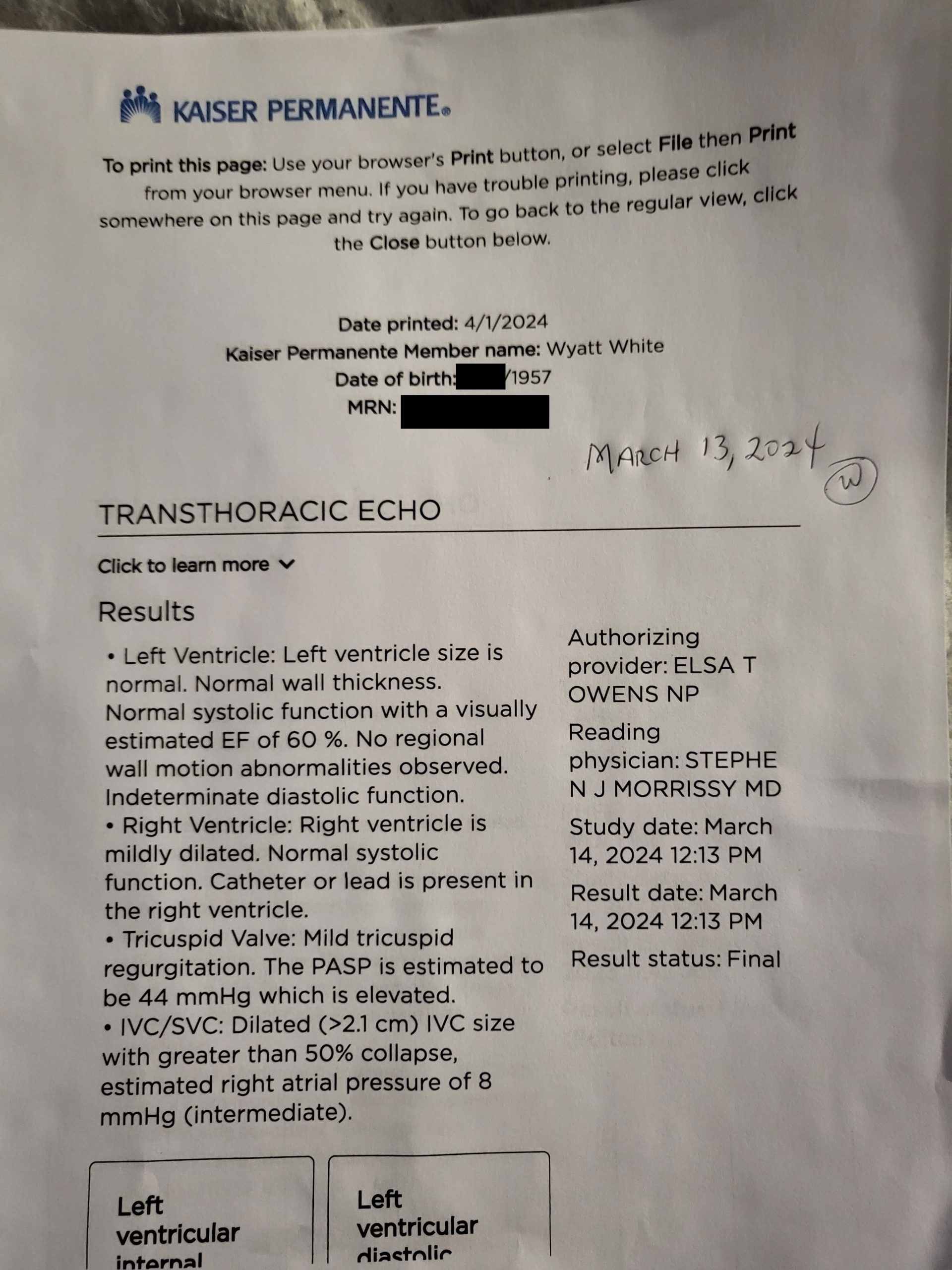
Patient Ejection Fraction goes from 35% to 55% at 3 months post Stem Cell Therapy at Dream Body Clinic
Patient Ejection Fraction goes from 25% to 60% at 1 Year post Stem Cell Therapy at Dream Body Clinic
How long do the Post Heart Attack Stem Cell Treatment Results Last?
How to get the Post Heart Attack Stem Cell Treatment
Call (888) 704-3977 For a Free Consultation
Side Effects or Risks
- 1 in 100 people will experience a slight fever and/or headache for a few hours after treatment or the next day. We have found that 500mg of Tylenol easily resolves this issue.
- Any treatment involving an injection such as an IV runs a risk of infection. We have never had a patient experience an infection due to our sterility protocols,.
- We do not treat patients that have had cancer within the past 5 years. There is still no conclusive evidence linking stem cells to make cancer worse, but we prefer to stay on the side of safety until more information is available.
- The heart tends to have more fluid around it for patients with congestive heart failure so we must be sure that the patient is fit for treatment. A patient could experience increased blood pressure from treatment so we take care to run EKG, echocardiogram and chest x-rays before treatment then have that reviewed by our cardiologist and internist.
- We do not recommend traveling to Dream Body Clinic via airplane if your ejection fraction is below 30% because the increased elevation while flying can cause heart issue and blood pressure issues.
- As with any medical treatment there is no guarantee of results, but our outcomes have been great for the vast majority of patients.
- In all patients who receive an intravenous treatment of any sort, there is a risk of releasing a thrombus or plaque from the veins, even more so if the patient has mainly high cholesterol levels. If a thrombosis or phlebitis were to occur, it would occur immediately. This has not been an issue with our patients, but any sort of IV has this risk. This is why we do bloodwork for all patients to make sure that treatment is as safe as possible for them.
The only side effects that have been documented are the following:
Our lab has over 8 years of experience cultivating mesenchymal stem cells with perfect safety and efficacy. See Stem Cell Certification by Clicking Here
Mesenchymal Stem Cells Heart Disease Studies
Selected peer-reviewed publications supporting this treatment.
Call (888) 704-3977
For a Free Consultation
Or email us at info@dreambodyclinic.net