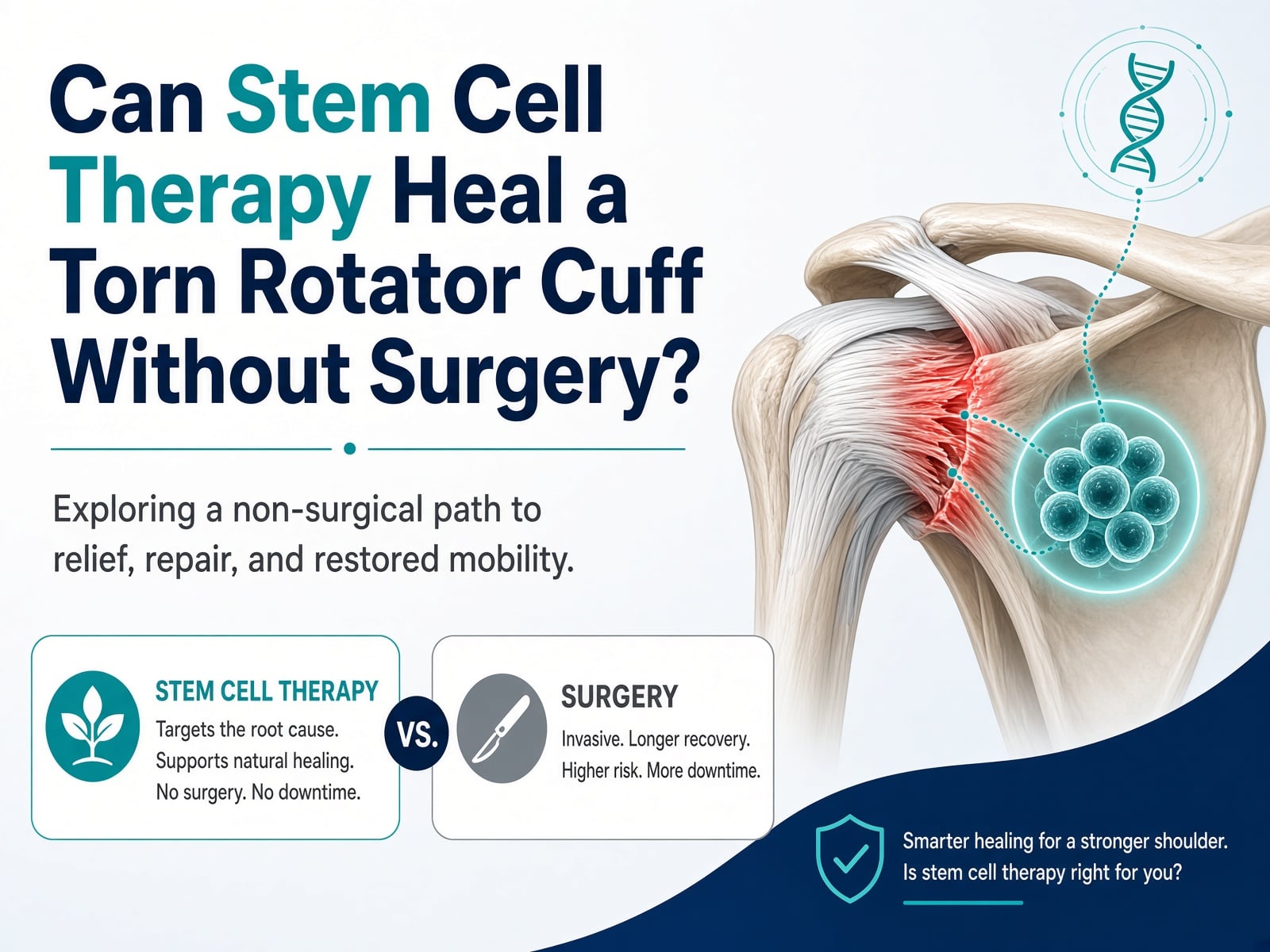
Can Stem Cell Therapy Heal a Torn Rotator Cuff Without Surgery?
If you have been told you need surgery to fix a torn rotator cuff, you are not alone, and surgery is not your only path forward. Stem cell therapy for rotator cuff tear has become one of the most talked-about alternatives in regenerative medicine, and for good reason. At Dream Body Clinic in Puerto Vallarta, Mexico, patients from across the United States and Canada are traveling to explore non-surgical rotator cuff treatment that works with the body’s natural healing process. This guide explains exactly how it works, who it helps, and what you can realistically expect.
What Is a Rotator Cuff Tear and Why Is It So Hard to Heal?
The rotator cuff is a group of four muscles and their tendons that wrap around the shoulder joint, holding the upper arm bone securely in the shoulder socket. These tendons work together every time you lift, rotate, or reach with your arm. Because they are under constant stress, they are also among the most commonly injured soft tissues in the body.
A rotator cuff tear can happen suddenly from a fall or lifting accident, but it often develops gradually over years of repetitive overhead movement. Athletes, construction workers, painters, and anyone over the age of 40 carry a higher risk. The tissue simply wears down faster than the body can repair it, especially when blood supply to tendons is already limited by nature.
According to the American Academy of Orthopaedic Surgeons, roughly 2 million people in the United States seek medical care for rotator cuff problems each year. Despite how common this injury is, treatment outcomes are not always predictable. Physical therapy can strengthen the surrounding muscles, but it does not regenerate torn tendon fibers. Corticosteroid injections reduce pain temporarily, but research shows they can weaken tendon tissue over time when used repeatedly. Surgery carries real risks and often requires months of immobilization and rehabilitation, with no guarantee of full recovery, particularly in older patients or those with larger tears.
The core problem is biological. Tendon tissue has a poor blood supply, which means it receives fewer of the growth factors and immune cells needed to repair itself. This is exactly where regenerative medicine for shoulder pain steps in with a different approach.
How Does Stem Cell Therapy Work for Rotator Cuff Repair?
Stem cell therapy for rotator cuff repair works by introducing mesenchymal stem cells (MSCs) directly into the damaged shoulder tissue, giving the body the biological tools it needs to heal from the inside.
MSCs are a specialized type of adult stem cell found in placenta, adipose (fat) tissue, and umbilical cord tissue. They are known for their ability to migrate toward damaged tissue, reduce local inflammation, and release a range of growth factors that signal nearby cells to begin repairing and rebuilding. When injected into a torn or degenerated rotator cuff, these cells do not simply replace the damaged fibers on their own. Instead, they create the right biological environment for the body’s own repair systems to work more effectively and guide the process like a manager on a construction site.
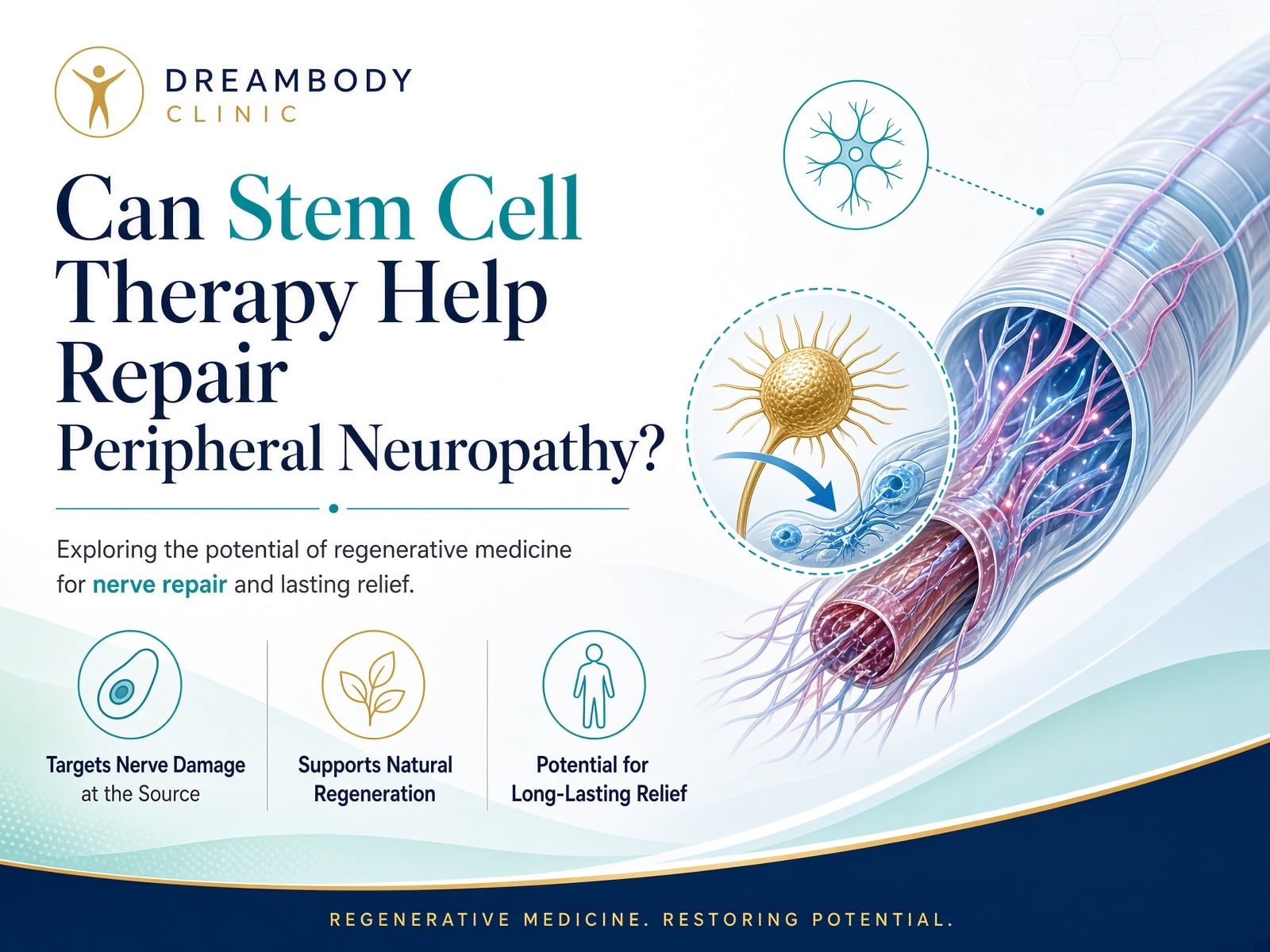
Studies suggest that mesenchymal stem cells can reduce tendon inflammation and stimulate collagen production, two key factors in rotator cuff healing. Collagen is the structural protein that gives tendons their strength and flexibility. When a tear disrupts collagen alignment, scar tissue often forms instead of healthy tendon, which is weaker and less functional. MSCs help shift this process toward regeneration rather than scarring, which is a meaningful difference for long-term shoulder function.
Dream Body Clinic uses certified mesenchymal stem cells and, where clinically appropriate, combines them with Human Growth Hormone (HGH) to strengthen the healing response. To understand the broader biological process behind this treatment, read more about how stem cell therapy works for chronic pain management.
What Role Does HGH Play in Shoulder Tissue Recovery?
Human Growth Hormone plays a specific and important role when it comes to tendon and connective tissue repair. HGH signals the body to produce more collagen, the structural building block that tendons are largely made of. When collagen synthesis is supported at the hormonal level, the regenerative signals from stem cells have a stronger foundation to work with.
At Dream Body Clinic, combining stem cell therapy with HGH is a protocol used to potentially accelerate tissue regeneration and shorten recovery timelines compared to stem cells alone. This combination approach targets both the cellular and hormonal aspects of healing simultaneously, which may be particularly beneficial for patients with larger partial tears or those who have had slow recovery from previous treatments. You can learn more about the long-term benefits of combining stem cell therapy with HGH and how this protocol supports recovery beyond the shoulder.
Is Stem Cell Therapy a Safe Alternative to Rotator Cuff Surgery?
Yes, stem cell therapy is considered a minimally invasive and generally well-tolerated option for rotator cuff injuries, particularly when compared to the risks associated with open or arthroscopic surgical repair.
Rotator cuff surgery, while sometimes necessary, comes with a notable list of considerations. Patients face risks from general anesthesia, the possibility of post-surgical infection, and a recovery period that often involves weeks in a sling followed by months of physical therapy. Re-tear rates after surgical repair can range from 20% to over 90% in some populations, depending on tear size and patient age, according to published orthopedic research. Many patients find the long immobilization period alone to be a significant disruption to their daily lives and work.
Stem cell injections for shoulder injuries, by contrast, are outpatient procedures. There is no incision, no general anesthesia, and no requirement for immobilization after treatment. The most commonly reported side effects are temporary soreness or swelling at the injection site, which typically resolves within a few days.
Dream Body Clinic takes safety seriously at every stage. The clinic sources only certified mesenchymal stem cells and conducts thorough patient screening before any treatment begins. Every patient goes through a medical review process to confirm they are appropriate candidates and to rule out any contraindications. The clinic’s commitment to transparent patient education means that realistic outcomes, not just best-case scenarios, are discussed openly during consultation. For a detailed look at the safety standards behind these treatments, visit the full resource on the safety of stem cell therapy for orthopedic injuries.
Who Is a Good Candidate for Rotator Cuff Stem Cell Treatment?
Not everyone with a rotator cuff problem is a candidate for stem cell therapy, but many patients are. The strongest candidates tend to share a few common profiles.
Patients with partial-thickness tears often respond well to regenerative treatment. The tissue is damaged but structurally intact enough to benefit from the collagen-stimulating and anti-inflammatory effects of MSC therapy. People dealing with chronic rotator cuff tendinopathy, where the tendon has degenerated over time without a clean acute tear, are also frequently good candidates. Those who have tried physical therapy and cortisone injections without meaningful relief, and who want to avoid surgery, represent one of the most common patient groups at Dream Body Clinic. Post-surgical patients who experienced incomplete healing after a prior rotator cuff repair are another group that may benefit significantly.
It is worth being honest about limitations. Full-thickness massive tears, particularly in older patients with significant muscle atrophy, may not respond to stem cell therapy alone. In those cases, Dream Body Clinic provides an honest consultation and may discuss a combined approach or refer appropriately. The goal is always the right treatment for the right patient, not a one-size-fits-all protocol.
If you are wondering whether you qualify, the first step is straightforward. You can email us to share your medical history and injury details directly with the clinic team before booking anything at info@dreambodyclinic.net
What to Expect During Rotator Cuff Stem Cell Treatment at Dream Body Clinic
The patient journey at Dream Body Clinic is structured and supportive from the first point of contact to post-treatment follow-up. Here is what the process typically looks like for patients traveling from the United States or Canada.
The process begins with a remote consultation. You submit your intake form and any relevant imaging (MRI or X-rays), and the Dream Body Clinic medical team reviews your case. If you are a candidate, the team walks you through the proposed protocol, expected outcomes, and any pre-treatment preparation needed. From there, you arrange travel to Puerto Vallarta, Mexico.
Puerto Vallarta is served by a well-connected international airport with direct flights from many major U.S. and Canadian cities, making it accessible without complicated travel logistics. The clinic is located in one of Mexico’s most welcoming coastal cities, known for its warm climate, beautiful beaches, and strong medical tourism infrastructure. Many patients find that combining treatment with a few days of rest and recovery in Puerto Vallarta is a genuinely positive experience.
On arrival, you are met with bilingual staff and a clear treatment schedule. The stem cell injection procedure itself is typically completed in a single outpatient session, though some protocols may include additional treatment days depending on injury severity and the chosen protocol. Staff are available throughout your stay to answer questions and support your comfort. For patients planning their trip, the clinic offers guidance on accommodations and activities in Puerto Vallarta to make the experience as smooth as possible.
How Long Does Recovery Take After Stem Cell Shoulder Treatment?
Recovery timelines vary depending on the size of the tear and individual biology, but most patients notice a meaningful shift in two distinct phases.
In the first few days after injection, many patients experience a reduction in shoulder inflammation and a gradual easing of pain. This initial anti-inflammatory response is one of the earliest signs that the treatment is taking effect. Tissue regeneration, however, is a slower process. The collagen remodeling and structural repair that stem cells help initiate continues over weeks and months, with many patients reporting continued improvement for three to six months after treatment.
During this period, Dream Body Clinic recommends following a guided approach to activity. Heavy overhead lifting and high-impact activities are typically restricted in the early weeks to allow the healing process to proceed undisturbed. Gentle rehabilitation exercises, often coordinated with a local physical therapist, can support and complement the regenerative process. The clinic maintains a post-treatment follow-up program where patients check in with the medical team to monitor progress, adjust activity guidance, and assess whether any additional support is needed.
Real Patient Experiences with Shoulder Stem Cell Therapy
Patient feedback is one of the most telling measures of whether a treatment is genuinely working. At Dream Body Clinic, patients who have received stem cell treatments for orthopedic conditions, including shoulder injuries, frequently report reduced pain, improved range of motion, and a return to activities they had given up. Many describe the experience of traveling to Puerto Vallarta for treatment as far more comfortable and personal than navigating a large hospital system for surgery back home.
These outcomes are not guaranteed, and every patient’s case is different. That is why reading real, verified experiences from people who have gone through the process is valuable before making any decision. You can read patient testimonials directly on the Dream Body Clinic website to get a realistic picture of what other patients have experienced on the Shoulder Stem Cell Treatment Page. If you have already gone through treatment, sharing your recovery story helps others in similar situations find the information they need to make an informed choice.
How Much Does Stem Cell Treatment for a Rotator Cuff Cost?
Cost is one of the most practical questions patients ask, and it is reasonable to want a clear answer before planning a medical trip abroad.
Orthopedic stem cell treatments at Dream Body Clinic are offered as packaged protocols that include the MRI, full blood panel, doctor consultation to review blood work and MRI, 50 million Mesenchymal Stem Cells injected via ultrasound guidance and transportation. Shoulder Stem Cell Treatment has a price of $3,500 usd. For current pricing and what is included in each package, the most accurate source is the clinic’s orthopedic stem cell treatment prices and info page.
For context, rotator cuff surgery in the United States can cost anywhere from $15,000 to $30,000 or more when hospital fees, anesthesia, the surgeon’s fee, and several months of physical therapy are factored in. That figure does not account for lost income during recovery. Stem cell therapy in Puerto Vallarta at Dream Body Clinic is a fraction of that cost, and many patients find that the savings more than offset travel and accommodation expenses. For international patients, the value equation tends to be straightforward once all costs are laid out side by side.
Why Choose Dream Body Clinic for Rotator Cuff Regeneration?
Dream Body Clinic was built specifically around regenerative medicine for orthopedic, autoimmune, and neurological conditions. The clinic does not offer stem cell therapy as a side service. It is the core of everything the team does, which means the protocols, sourcing standards, and patient experience are refined around that focus.
The use of certified mesenchymal stem cells, combined with HGH where appropriate, represents a more complete biological approach to tendon repair than most clinics offer. The medical team includes professionals experienced in orthopedic regenerative protocols, and every patient receives an honest assessment of what stem cell therapy can and cannot do for their specific injury.
For international patients, the Puerto Vallarta location is genuinely welcoming. The city is used to hosting North American visitors, English is widely spoken, and the overall environment makes recovery feel less clinical and more restorative. Bilingual staff, transparent pricing, and clear communication throughout the process are all part of the Dream Body Clinic standard.
If you are considering a non-surgical path for your shoulder, the shoulder stem cell treatment overview is a useful starting point to understand the full scope of what is offered before booking a consultation.
Frequently Asked Questions
Can stem cell therapy fully repair a torn rotator cuff without surgery?
For partial tears and chronic tendinopathy, stem cell therapy has helped many patients achieve meaningful healing without surgery. Full-thickness massive tears are a more complex case, and in those situations, a combined approach or surgery may still be necessary. Dream Body Clinic always provides an honest assessment based on your specific MRI findings and medical history before recommending any course of treatment.
How many stem cell sessions are needed to treat a rotator cuff tear?
Many patients at Dream Body Clinic are treated within a single concentrated protocol visit, though the number of sessions depends on the severity of the tear and the specific treatment plan. Some patients with larger or more complex injuries may benefit from a follow-up protocol. This is discussed thoroughly during your pre-treatment consultation.
Is the stem cell injection for the rotator cuff painful?
The injection itself involves mild discomfort, similar to other therapeutic injections into the shoulder area. A local anesthetic is typically used to minimize pain during the procedure. Some patients experience temporary soreness or swelling at the injection site in the days following treatment, which generally resolves on its own.
How long do the results of rotator cuff stem cell therapy last?
Results vary by patient, tear severity, and lifestyle factors. Many patients report lasting improvements in pain and shoulder function well beyond the initial recovery period. Because stem cell therapy promotes actual tissue regeneration rather than just masking symptoms, the results tend to be more durable than cortisone injections. Long-term outcomes continue to be studied in the regenerative medicine field.
Can I travel to Puerto Vallarta for stem cell shoulder treatment if I live in the United States or Canada?
Yes. Puerto Vallarta is one of the most accessible international destinations for North American patients, with direct flights from many major U.S. and Canadian cities. Dream Body Clinic is experienced in supporting international patients through every step of the process, from remote consultation to travel guidance and post-visit follow-up.
Does Dream Body Clinic combine HGH with stem cells for rotator cuff repair?
Yes, where clinically appropriate. Dream Body Clinic’s protocols may include Human Growth Hormone alongside mesenchymal stem cell therapy to support collagen synthesis and potentially accelerate tissue recovery. Whether HGH is recommended for your case depends on your individual assessment and the nature of your injury.
What is the difference between stem cell therapy and platelet-rich plasma (PRP) for shoulder injuries?
PRP uses concentrated platelets from your own blood to deliver growth factors to the injury site. It is a useful treatment for mild tendon injuries and early-stage degeneration. Stem cell therapy, particularly with MSCs, goes further by introducing cells capable of active tissue regeneration and broader immune modulation. MSCs can differentiate to support new tissue formation and regulate the inflammatory environment in ways that platelets cannot. For more significant tears or cases where PRP has not produced adequate results, stem cell therapy is generally considered the more advanced option.