If you live with ulcerative colitis, you probably know your bathroom routes by heart. You’ve had the urgency, the bleeding and the steroid courses that work and then wear off. Maybe you’ve tried mesalamine and a biologic or two, and your gastroenterologist has started to mention surgery.
That’s often when people begin reading about stem cells. This guide covers what’s happening in ulcerative colitis (UC), what the research on mesenchymal stem cells (MSCs) actually shows, what our protocol involves and costs, and who may be a reasonable candidate. We’ll be straightforward with you: MSC therapy for UC is investigational. Several small studies reported encouraging results, one placebo-controlled trial of a related cell product found no benefit, and nothing here replaces the care you get from your gastroenterologist.
What Happens in Ulcerative Colitis
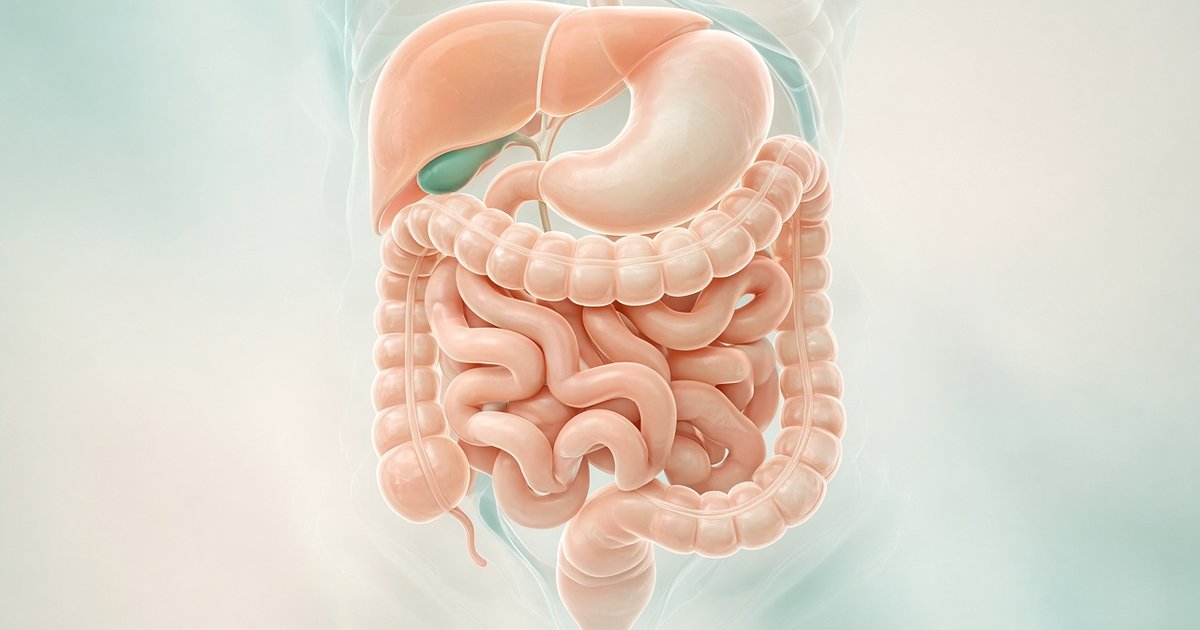
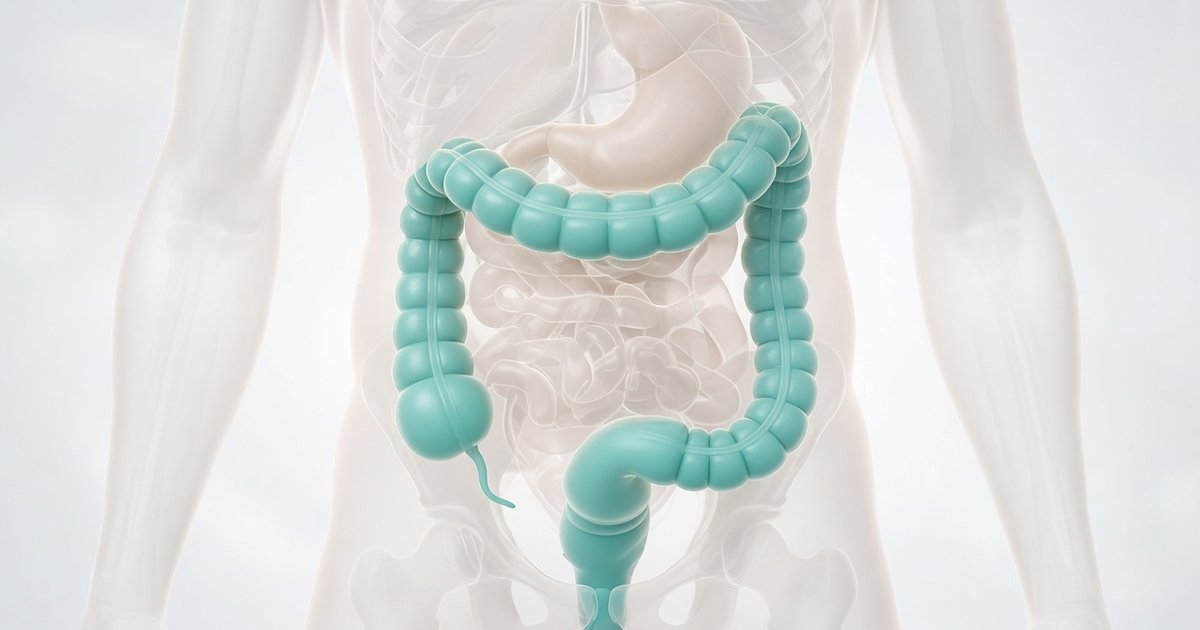
Ulcerative colitis is a chronic inflammatory bowel disease (IBD). The immune system drives ongoing inflammation in the inner lining of the colon. It almost always starts in the rectum and can extend continuously up part or all of the colon.
Common symptoms include bloody diarrhea, urgency, cramping, fatigue and anemia, and some people also have joint, skin or eye inflammation. UC tends to come in flares and quieter periods. Long-standing, extensive UC also raises the risk of colon cancer over time, which is why regular surveillance colonoscopies matter.
UC differs from Crohn’s disease, which can affect any part of the gut and the full bowel wall (see our Crohn’s guide), and from irritable bowel syndrome (IBS).
What Standard Care Can Do
Depending on how far the inflammation extends and how severe it is, your gastroenterologist may use:
- Aminosalicylates (5-ASA), such as mesalamine, often the first step for mild to moderate disease
- Corticosteroids to calm a flare (not for long-term use)
- Immunomodulators, such as azathioprine
- Biologics and small-molecule drugs that target specific parts of the immune response
- Surgery to remove the colon (colectomy), which removes the diseased bowel and is an established option when medicines fail or complications develop
Many people reach and stay in remission this way. Some lose response or can’t tolerate the options they’ve tried. Stem cell therapy is not a replacement for this care; at most, it’s something to discuss alongside it.
A sudden, severe flare (many bloody stools a day, fever, a fast heart rate or a swollen, painful abdomen) is a medical emergency. It needs hospital care at home, not travel.
How MSCs Are Thought to Work in UC
Mesenchymal stem cells are best understood as signaling cells. They work mainly through what scientists call paracrine signaling: they release proteins and other molecules that influence the cells around them. They don’t turn into new colon lining.
In lab and animal research, MSCs lower pro-inflammatory signals, raise anti-inflammatory ones, interact with T cells and support regulatory T cells that keep immune responses in check. But results in a dish or in mice often turn out smaller, or absent, in people. That’s why human trials matter most. Our guide to what stem cells are covers the science.
What the Research Shows
The human evidence for MSCs in UC is small. Most studies are single-center, many had no control group, and some involved milder disease than the people who usually contact us.
Controlled trials
- Hu et al., 2016 (Experimental and Therapeutic Medicine, 70 patients analyzed): Adults with moderate to severe UC on aminosalicylates were randomly assigned to umbilical cord MSCs or saline. The MSC group got about 38 million cells by IV, then about 15 million into an artery supplying the bowel a week later. At 3 months, about 85% of the MSC group had a response or remission vs about 16% with saline. No significant side effects were reported over two years. It was a single center, and the paper has some reporting inconsistencies.
- Lazebnik et al., 2010 (Experimental & Clinical Gastroenterology, Russia): 44 patients received a single IV dose of 150–200 million donor bone marrow MSCs. Most improved compared with patients on standard drugs, but 12 had no benefit. Patients weren’t randomized.
- MultiStem phase 2 trial (Pfizer and Athersys, results announced 2014): The largest double-blind, placebo-controlled trial of an IV adult stem cell product in UC enrolled patients who hadn’t responded to steroids, immunosuppressants or anti-TNF biologics. The product is a bone marrow-derived cell closely related to, but not the same as, MSCs. A single IV dose did not beat placebo on colonoscopy appearance or rectal bleeding at 8 weeks. It was well tolerated.
We share this because it’s the most rigorous test so far in the patients who most often ask us about stem cells.
Uncontrolled studies
- Jiang et al., 2024 (Stem Cell Research & Therapy, 41 patients): Patients with moderate to severe UC that hadn’t responded to conventional drugs received umbilical cord MSCs by IV (1 million cells per kilogram, monthly for two months). At 6 months, 70% had a clinical response and 34% were in remission. Older patients were less likely to respond. There was no control group.
- Luo et al., 2025 (Clinical and Translational Medicine, 26 patients): A similar single-arm study from the same hospital reported remission in 38% at 6 months.
- Jafar et al., 2024 (Stem Cells and Development, 6 patients): Three IV doses of 100 million umbilical cord MSCs. 3 of the 5 patients who completed follow-up had no measurable disease activity at 2 years.
- Lightner et al., 2022 (Colorectal Disease, 6 patients): Cleveland Clinic researchers injected MSCs directly into the colon during colonoscopy. Colonoscopy scores improved in the 4 treated patients. This is a different route from ours.
A 2019 meta-analysis (Shi et al., Stem Cell Research & Therapy) pooled 7 small human studies (216 patients) and found higher response rates with MSCs, but four of the seven had no control group.
In plain language: small, mostly open-label studies suggest some people with UC improve after MSC infusions, with few serious side effects. The best-designed placebo-controlled trial of a related IV product was negative. No MSC therapy is approved by the U.S. FDA for ulcerative colitis.
How our protocol compares
Study doses ranged from about 53 million cells (Hu) to about 140 million for a 70 kg adult (Jiang) to 300 million over three infusions (Jafar). Ours is a single IV infusion of 300 million cells. No published trial has tested this exact approach for UC, and you should know that before deciding.
Our Ulcerative Colitis Protocol
Here’s exactly what we offer, as listed on our ulcerative colitis treatment page:
- 300 million MSCs by IV infusion. Donor (allogeneic) cells from Wharton’s jelly and placenta from healthy, live births, expanded in our on-site, COFEPRIS-licensed lab and tested by third-party, COFEPRIS-authorized labs. Cells leave culture the day before treatment and are given within 24 hours.
- NAD+ and high-dose vitamin C IV drip, given after the cell infusion
- Bloodwork reviewed by our physicians before treatment
- Price: $11,500 USD, all-inclusive for the items above
See our Certified Stem Cells page and our MSC science and quality guide.
Your 4-day stay
- Day 1: Arrive in Puerto Vallarta and rest at your hotel in Bucerías or nearby.
- Day 2: Bloodwork, reviewed by our physicians. Payment is completed at the clinic.
- Day 3: Stem cell IV, followed by the NAD+ and vitamin C drip.
- Day 4: Fly home.
After you return home, we follow up remotely at 3, 6 and 12 months. If you notice changes, they usually build gradually, often over 3 to 6 months, so track your symptoms and keep your gastroenterologist’s planned tests. See our travel guide and hotel options.
Who May Be a Candidate
Every case is reviewed individually by our physicians. You may be a reasonable candidate to discuss MSC therapy with us if you:
- Have a confirmed UC diagnosis and recent records (colonoscopy, biopsies, labs)
- Have ongoing symptoms despite standard care
- Have a gastroenterologist at home who will keep managing your care, including surveillance colonoscopies
- Are stable enough to travel for at least four days
- Understand that results vary and improvement isn’t guaranteed
Our physicians may advise against treatment, or advise waiting, if you have:
- Cancer within the past five years (we don’t treat these patients)
- A severe flare, heavy bleeding, fever or signs of a dilated colon, which need urgent care at home
- An active infection, including a gut infection such as C. difficile
- Significant anemia, dehydration or other serious health problems that make travel unsafe
About your medicines: Don’t stop, skip or change any UC medicine because you’re considering stem cell therapy. Stopping on your own can trigger a serious flare. Changes should be decided by your gastroenterologist.
Risks and Side Effects
MSC infusions have generally been well tolerated in published studies.
- Fever or headache: about 1 in 100 of our patients have a mild fever and/or headache for a few hours after treatment or the next day.
- IV risks: any IV carries a small risk of infection, bruising, vein irritation or a blood clot. Our pre-treatment bloodwork is part of how we screen for this.
- Unknowns: long-term data on donor MSCs in UC are limited.
- Travel: flying with active UC needs planning for bathroom access, hydration and your usual medicines.
The biggest risk may be the easiest to overlook: delaying effective care, including surgery your doctors recommend, in the hope that stem cells will be enough. Please don’t.
Questions to Ask Any Clinic
Whether you choose us or another clinic, ask what trials support the protocol (including negative ones), how your dose was chosen, how cells are tested, how the clinic coordinates with your gastroenterologist, and how follow-up works. Our guide to choosing a stem cell clinic covers these in more detail.
Frequently Asked Questions
Can stem cells cure ulcerative colitis? No. UC is a lifelong condition. Small studies reported improvement in some patients, but the most rigorous placebo-controlled trial of a related IV cell product found no benefit over placebo.
Can stem cell therapy put UC into remission? We can’t promise that. Some small studies, mostly without a comparison group, reported remission in a minority of patients.
Can stem cells help me avoid a colectomy? No study has shown that MSCs prevent surgery in UC. If your doctors recommend surgery, please take that advice seriously.
Will I be able to stop my medicines? Don’t plan on it, and never stop or lower a medicine on your own. Any change should be made by your gastroenterologist.
Is this the same as your Crohn’s protocol? The protocol is the same, but the evidence is different. See our Crohn’s disease treatment page and our Crohn’s guide.
Will insurance cover it? Insurance generally doesn’t cover stem cell therapy for UC, and many U.S. insurers classify it as experimental.
Thinking About Your Options?
If you’re wondering whether MSC therapy is worth exploring alongside your current care, a free consultation is a good place to start. It’s a conversation, not a commitment. A physician will review your records and medicines, explain what the research does and doesn’t show, and tell you honestly whether this may make sense for you, or whether it doesn’t.
Schedule your free consultation, call (888) 704-3977, WhatsApp +52 322 232 1055, or email info@dreambodyclinic.net.
Disclaimer: This article is for educational purposes and is not medical advice. Mesenchymal stem cell therapy for ulcerative colitis is investigational and is not approved by the U.S. FDA. Published human evidence is limited and mixed, results vary, and some patients see little or no benefit. Stem cell therapy offers no guarantees and is not a cure. Do not stop or change any medication without talking to your own doctor. Treatment eligibility is decided only after a review of your medical history. Dream Body Clinic is located in Bucerías, Nayarit, Mexico, and operates under the oversight of COFEPRIS, Mexico’s health regulator.