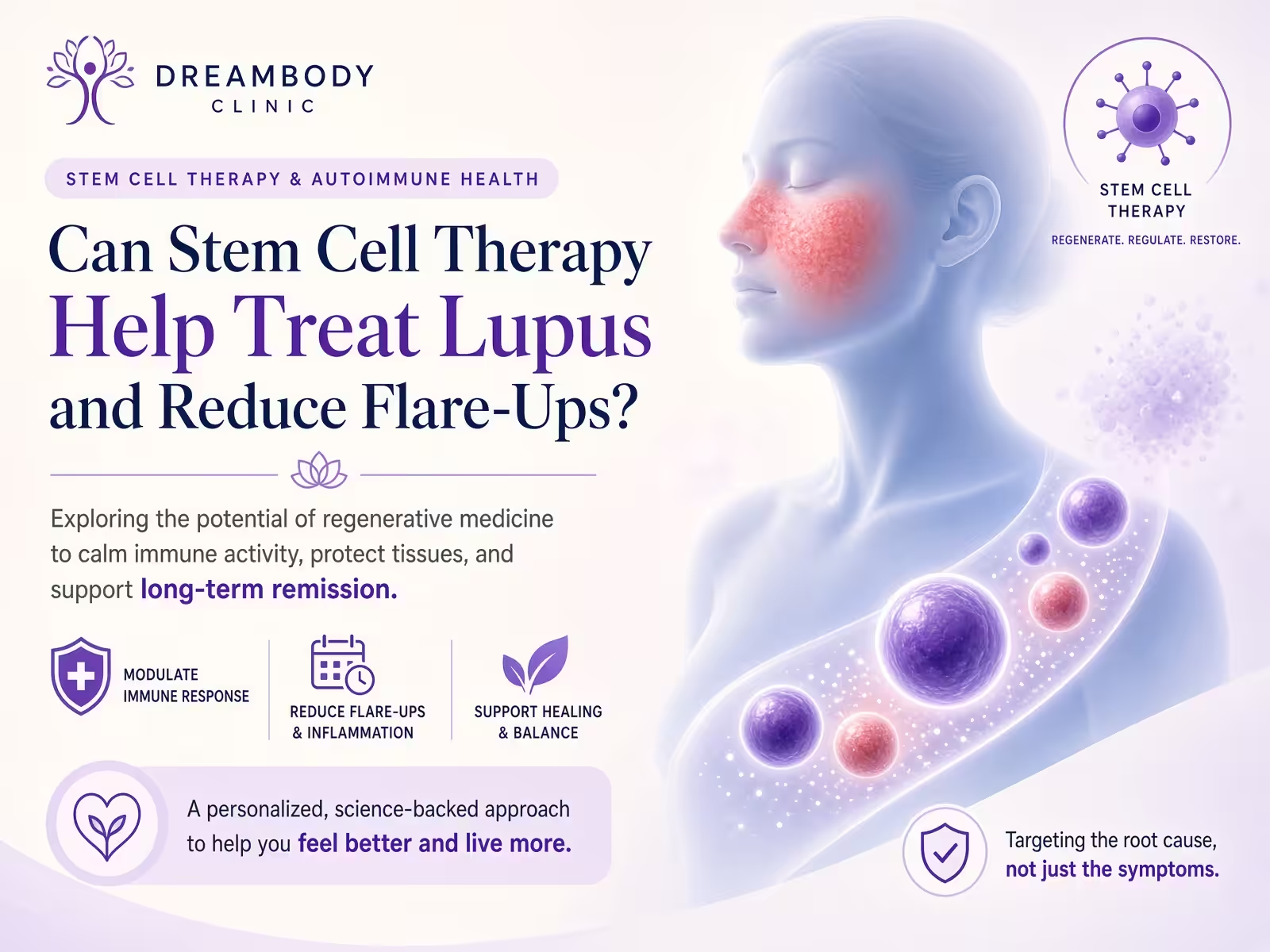
Can Stem Cell Therapy Help Treat Lupus and Reduce Flare-Ups?
Lupus is one of the most unpredictable autoimmune diseases a person can live with. One week you feel fine, and the next you are dealing with joint pain, fatigue, skin rashes, or worse, kidney inflammation. For millions of people worldwide, standard medications only go so far. That is where stem cell therapy for lupus is drawing serious attention. This article explains how regenerative medicine works for autoimmune conditions, what the current research shows, and what you can expect if you choose to pursue treatment at Dream Body Clinic in Puerto Vallarta, Mexico.
What Is Lupus and Why Is It So Difficult to Treat?
Lupus, most commonly systemic lupus erythematosus (SLE), is a chronic autoimmune disease in which the immune system mistakenly attacks healthy tissue throughout the body. Instead of targeting foreign invaders like bacteria or viruses, the immune system turns on joints, skin, kidneys, the heart, and the nervous system. This widespread attack creates cycles of flare-ups and remission that are incredibly hard to predict or control.
The challenge with lupus goes beyond managing symptoms. Conventional treatments like corticosteroids, antimalarial drugs, and immunosuppressants work by broadly suppressing immune activity. While they can reduce inflammation during flare-ups, they do not correct the underlying immune dysfunction. Over time, long-term immunosuppression creates its own set of problems, including increased infection risk, bone density loss, and organ stress.
What makes lupus especially difficult to treat is that no two patients experience it the same way. Some people have mild skin and joint symptoms, while others develop life-threatening kidney or neurological involvement. This variability means a one-size-fits-all approach rarely works, and many patients continue to suffer significant quality-of-life disruptions despite being on multiple medications.
How Does Stem Cell Therapy Work for Autoimmune Diseases Like Lupus?
Stem cell therapy for lupus works by targeting the root cause of the disease rather than just the symptoms. Mesenchymal stem cells (MSCs) have the ability to modulate immune system activity, meaning they can help calm an overactive immune response without shutting the entire system down. This is a fundamentally different approach from traditional immunosuppressive drugs.
When introduced into the body, MSCs communicate with immune cells and help shift the balance away from the inflammatory response that drives lupus activity. They release signaling proteins that reduce pro-inflammatory cytokines and support the growth of regulatory T-cells, which are the cells responsible for keeping immune responses in check. In autoimmune conditions like lupus, these regulatory cells are often depleted or dysfunctional.
Beyond immune modulation, stem cells also support tissue repair in areas already damaged by chronic inflammation. For patients who have experienced kidney involvement, joint damage, or skin changes due to lupus, this regenerative aspect of treatment can be particularly meaningful. The goal is not just to reduce flares but to help the body rebuild some of what the disease has worn down.
If you want to learn more about the specific protocol used at Dream Body Clinic, visit the lupus stem cell treatment page for full details on how treatment is structured.
What Types of Stem Cells Are Used in Lupus Treatment?
Mesenchymal Stem Cells (MSCs) are the primary way to treat lupus and most autoimmune diseases. MSCs are unique in their ability to regulate the immune system and reprogram immune cells to their original function of protecting the body instead of attacking it.
Mesenchymal stem cells do not require the destruction of the patient’s immune system. They work by influencing and rebalancing immune activity rather than replacing it. MSCs are widely available, well-tolerated, and carry a strong safety profile in clinical settings. Their immunomodulatory properties make them especially well-suited for autoimmune conditions like lupus, where the goal is regulation rather than elimination of immune function.
What Does the Research Say About Stem Cells and Lupus?
The research on stem cell therapy for lupus has grown steadily over the past decade, and the results are encouraging. Multiple clinical studies have shown that MSC treatment can lead to meaningful reductions in disease activity, particularly as measured by the SLEDAI (Systemic Lupus Erythematosus Disease Activity Index). Lower SLEDAI scores indicate fewer active disease symptoms and reduced organ involvement.
A widely referenced study published on PubMed found that patients with refractory lupus who received MSC infusions showed significant reductions in SLEDAI scores at both six and twelve months post-treatment. Some patients also showed improvements in kidney function, reduced proteinuria, and lower levels of anti-double-stranded DNA antibodies, which are a key marker of lupus activity. You can review ongoing clinical research on this topic through ClinicalTrials.gov, where several active trials are listed for stem cell therapy and lupus.
It is important to be honest about where the science stands. Stem cell therapy for lupus is not yet an FDA-approved treatment in the United States, and it is not positioned as a guaranteed cure. Most researchers and clinicians describe it as a promising and increasingly evidence-backed approach that can offer significant benefits, particularly for patients whose disease has not responded well to conventional medications. Results vary between individuals, and the field continues to evolve with ongoing trials adding to the data each year.
What Can Patients Expect During Stem Cell Treatment for Lupus at Dream Body Clinic?
The patient journey at Dream Body Clinic begins well before you arrive in Puerto Vallarta. Once you contact the clinic, the first step is a thorough intake process where the medical team reviews your health history, current medications, recent lab work, and lupus disease activity. This evaluation helps the team design a treatment plan that reflects your specific situation rather than a generic protocol.
When you arrive at the clinic, you will meet with the medical team for a final consultation before any treatment begins. The stem cell infusion itself is typically administered intravenously, which allows the cells to circulate throughout the body and reach areas of active inflammation. Most treatment visits are completed within a few days, making the trip manageable for international patients traveling from the United States, Canada, or Europe.
After treatment, the team provides detailed post-treatment guidance to support your recovery and help you get the most from the therapy. This includes information on lifestyle adjustments, follow-up monitoring, and how to track changes in your symptoms over the weeks and months ahead. The clinic places a strong emphasis on patient education because understanding what is happening in your body is part of getting better outcomes.
Safety is taken seriously throughout the entire process. Dream Body Clinic follows rigorous protocols for stem cell sourcing, preparation, and administration. The clinic serves an international patient base and has built its reputation on transparent, personalized care in a setting that is both medically professional and genuinely welcoming.
How Is Stem Cell Therapy Combined with HGH for Lupus Patients?
Dream Body Clinic offers a combination approach that pairs stem cell therapy with Human Growth Hormone (HGH) for patients who may benefit from additional support. HGH plays a role in tissue repair, immune function, and overall cellular regeneration, which makes it a natural complement to MSC therapy in autoimmune cases.
In lupus patients, chronic inflammation and long-term medication use can suppress normal growth hormone activity, leaving the body less capable of repairing damaged tissue. By supporting HGH levels alongside stem cell treatment, the body may be better positioned to respond to the regenerative signals that MSCs provide. The combination approach is not applied uniformly to every patient. Instead, the medical team at Dream Body Clinic evaluates whether HGH is appropriate based on each patient’s health profile, disease severity, and treatment goals.
Who Is a Good Candidate for Stem Cell Therapy for Lupus?
Stem cell therapy tends to be most beneficial for patients who have moderate to severe lupus that has not responded well to standard medications. This includes people who have tried hydroxychloroquine, corticosteroids, or biologics and still experience frequent flare-ups or ongoing organ involvement. Patients in this category often have the most to gain from a different approach to immune system regulation.
Candidacy also depends on your current health status and what medications you are taking. Some immunosuppressive drugs may need to be adjusted before treatment, and the team will evaluate how your current regimen might interact with the therapy. Patients with active infections or certain comorbidities may need to address those issues first before proceeding.
Age, disease duration, and overall physical health all factor into the evaluation as well. The goal is to make sure that each patient who goes through treatment is in the best possible position to respond well to it. A thorough medical evaluation before starting any regenerative therapy is not just a recommendation at Dream Body Clinic, it is a required part of the process.
How Does Stem Cell Therapy Compare to Traditional Lupus Treatments?
Traditional lupus treatments focus on suppressing the immune system to limit the damage it causes. Corticosteroids like prednisone are effective at reducing inflammation quickly, but long-term use leads to well-documented side effects including weight gain, bone loss, increased blood pressure, and elevated infection risk. Immunosuppressants like mycophenolate and azathioprine add another layer of immune dampening but do not address the underlying dysfunction.
Stem cell therapy takes a different approach by attempting to recalibrate the immune system rather than broadly suppress it. Early clinical evidence suggests that patients who respond well to MSC therapy may experience longer periods of remission with fewer side effects compared to sustained immunosuppressive regimens. That said, these are not competing approaches in every case. Many patients continue some of their conventional medications alongside regenerative treatment, especially in the early months when the body is still adjusting.
It is also worth being straightforward about expectations. Stem cell therapy is not a guaranteed cure for lupus. Some patients see dramatic improvements in disease activity and quality of life, while others experience more modest benefits. The response depends on disease type, severity, and individual biology. What the approach offers is a meaningful alternative or complement to conventional care, particularly for those who have not found lasting relief through standard treatment paths.
Why Choose Dream Body Clinic in Puerto Vallarta for Lupus Treatment?
Dream Body Clinic has built its practice around autoimmune conditions, and lupus is one of the central areas of focus. The clinic’s medical team has treated patients from across North America and beyond, developing a deep understanding of the specific challenges that lupus patients face and how regenerative medicine can be applied most effectively in this context.
One of the things that sets Dream Body Clinic apart is its commitment to educating patients, not just treating them. The clinic’s founders have authored The Ultimate Guide to Stem Cell Therapy, available on Amazon, which reflects a level of subject matter expertise that goes well beyond typical clinic offerings. When you work with a team that has taken the time to write the book on the subject, literally, you are working with people who take the science seriously.
Puerto Vallarta is also an ideal destination for medical travel. The city is easily accessible from major U.S. and Canadian airports, and many patients find the coastal environment genuinely restorative during their treatment stay. The clinic handles international patient logistics, including consultation scheduling and pre-travel guidance, making the process as straightforward as possible for those coming from abroad. For people who have been struggling with lupus for years, the combination of world-class regenerative medicine and a supportive, well-organized patient experience makes Dream Body Clinic a genuinely compelling option.
Frequently Asked Questions About Stem Cell Therapy for Lupus
What is stem cell therapy for lupus and how does it work?
Stem cell therapy for lupus involves introducing mesenchymal stem cells into the body to help regulate the overactive immune response that characterizes the disease. The stem cells release signaling proteins that reduce inflammation, support regulatory T-cell function, and promote tissue repair in areas damaged by chronic immune activity. It is a regenerative approach aimed at addressing immune dysfunction at its source rather than simply suppressing immune activity across the board.
Is stem cell therapy for lupus safe?
Based on available clinical data, MSC therapy for lupus has shown a generally favorable safety profile. Serious adverse events are rare, and MSCs are considered well-tolerated in most patients. That said, safety depends heavily on the quality of the clinic, the source and preparation of the stem cells, and the thoroughness of the pre-treatment evaluation. Dream Body Clinic follows strict safety protocols and conducts a full medical review before any patient begins treatment.
How many stem cell treatment sessions are needed for lupus management?
The number of sessions varies depending on disease severity and individual response. Some patients benefit significantly from a single treatment course, while others with more active or complex disease may return for additional sessions over time. The team at Dream Body Clinic assesses each patient individually and recommends a protocol based on current disease activity and overall health.
Can stem cell therapy put lupus into remission?
Some patients have achieved significant reductions in disease activity following stem cell treatment, and clinical studies have documented cases where SLEDAI scores dropped substantially and patients entered periods of remission. However, remission is not a guaranteed outcome. Results vary between individuals, and the current scientific consensus describes stem cell therapy as a promising treatment that can meaningfully improve disease control rather than a definitive cure. We have patients from over 8 years ago that are still in full remission so results can last long term, but again every patient is different.
How long does it take to see results from stem cell therapy for lupus?
Many patients begin noticing changes within four to eight weeks of treatment, including reduced fatigue, fewer joint flare-ups, and improved overall energy. More significant changes, such as reductions in lab markers of disease activity or kidney function improvements, may take three to six months for peak results. The healing process is gradual, and follow-up monitoring is an important part of tracking progress.
Does Dream Body Clinic offer stem cell treatment for lupus patients from the United States or Canada?
Yes. Dream Body Clinic regularly works with patients traveling from the United States, Canada, and other countries. The clinic provides full international patient support, including pre-travel guidance, consultation scheduling, and treatment logistics. Puerto Vallarta is accessible from most major North American airports, making it a practical destination for medical travel.
Can stem cell therapy be combined with existing lupus medications?
In many cases, yes. Most patients continue taking their current medications during and after stem cell treatment, particularly if they are on antimalarials or low-dose immunosuppressants. However, certain medications may need to be adjusted prior to treatment. The medical team at Dream Body Clinic reviews your full medication list during the intake process and provides guidance on any adjustments needed to support the best possible treatment outcome.
Contact Dream Body Clinic to Learn More Today
If you are living with lupus and want to understand whether stem cell therapy is right for you, Dream Body Clinic is ready to help. The team offers free consultations to walk you through your options, answer your questions, and help you determine whether regenerative medicine makes sense for your situation.
Call (888) 704-3977 to schedule your free consultation, or visit the lupus stem cell treatment page to learn more about the treatment process, what to expect, and how to get started.