Can Stem Cell Therapy Help Treat Type 2 Diabetes?
Type 2 diabetes affects more than 537 million adults worldwide, according to the International Diabetes Federation, and that number continues to climb. For many patients, managing the condition means a lifetime of medications, strict dietary rules, and regular monitoring, yet blood sugar control still slips over time. Stem cell therapy for type 2 diabetes is drawing serious attention as a regenerative approach that may go beyond symptom management and actually address some of the underlying biological breakdowns that drive the disease.
Understanding Type 2 Diabetes and Why Conventional Treatments Fall Short
Type 2 diabetes develops when the body either stops producing enough insulin or stops responding to it properly. The pancreas works harder to compensate, and over time, the insulin-producing beta cells wear down. Blood sugar climbs, inflammation spreads, and the risk of complications, including nerve damage, kidney disease, and cardiovascular problems, grows steadily.
Standard treatments like metformin, GLP-1 receptor agonists, and insulin injections are effective at managing blood sugar levels, but they do not repair the underlying damage to pancreatic tissue or restore normal insulin signaling. Patients often need increasing doses over time, and many eventually require insulin therapy even when they started with oral medications alone.
Lifestyle changes, including diet and exercise, remain essential but rarely enough on their own once the disease has progressed. This is where regenerative medicine is opening a new conversation. Rather than managing numbers, regenerative approaches aim to support the body’s own repair systems, targeting the root problems of insulin resistance and compromised beta cell function.
How Does Stem Cell Therapy Work for Type 2 Diabetes?
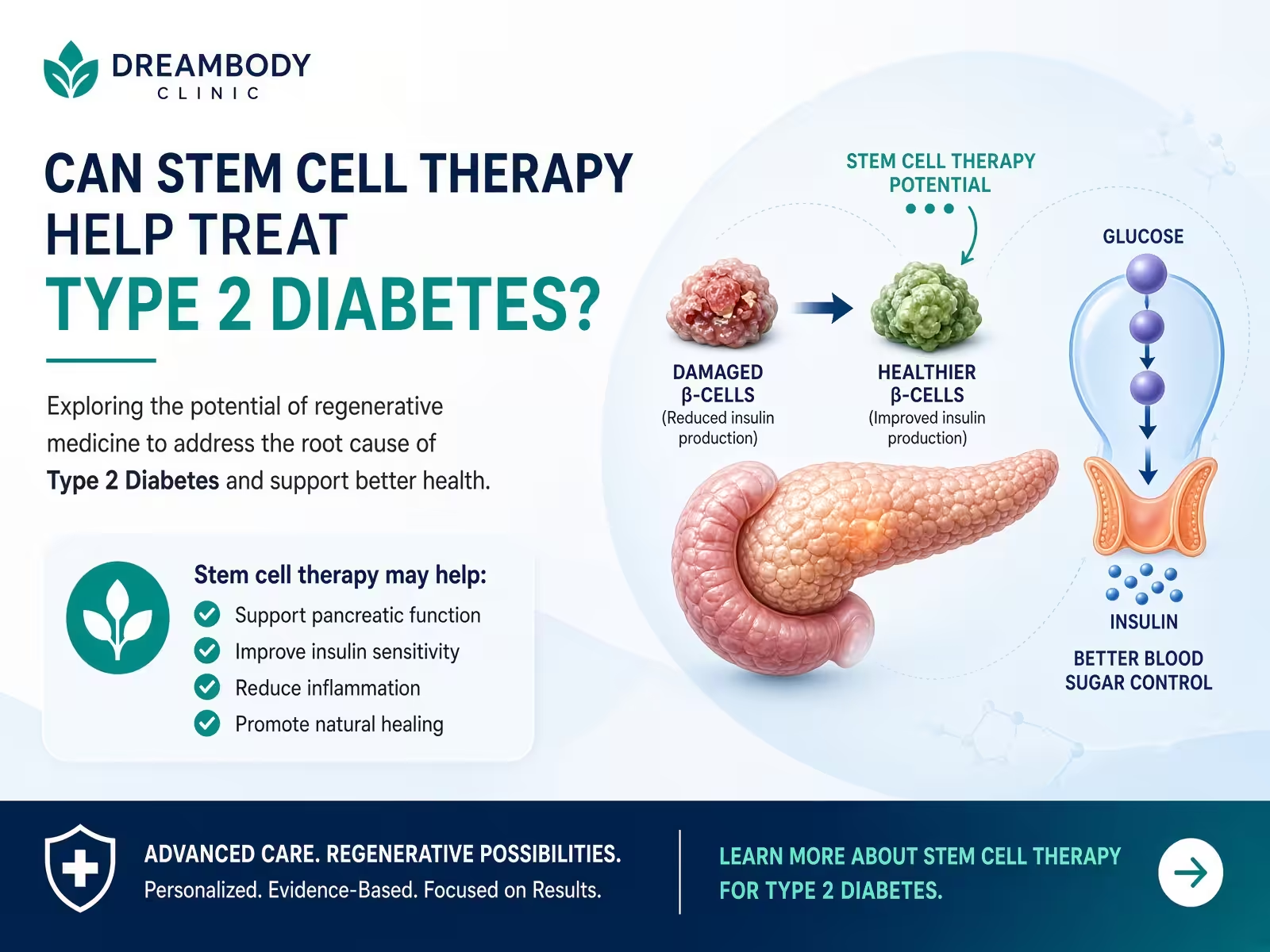
Stem cell therapy works by introducing cells that have the ability to reduce inflammation, support tissue repair, and send chemical signals that encourage the body’s existing cells to function better. In the context of type 2 diabetes, the primary goal is to reduce the systemic inflammation that drives insulin resistance while also supporting the health and function of pancreatic beta cells.
Mesenchymal stem cells (MSCs) are the most studied cell type for metabolic conditions like type 2 diabetes. They are drawn from sources such as umbilical cord tissue or adipose (fat) tissue, and when introduced into the body, they release a range of growth factors and anti-inflammatory molecules through a process called paracrine signaling. This signaling does not just treat symptoms. It communicates with damaged tissues and immune cells to create conditions where repair is more likely to happen.
One important distinction worth understanding is that stem cell therapy is not trying to replace every damaged cell in one step. The goal is to shift the internal environment, reduce the chronic low-grade inflammation that blocks insulin receptors from working properly, and give the pancreas a better chance to maintain or recover some of its function. For patients who have been managing type 2 diabetes with medications for years, this represents a fundamentally different kind of treatment than anything in the standard care toolkit.
If you are interested in exploring this approach, you can learn more about the specific protocol at Dream Body Clinic’s Type 2 Diabetes Stem Cell Treatment page.
What Role Do Mesenchymal Stem Cells Play in Glucose Regulation?
Mesenchymal stem cells are multipotent stromal cells found in bone marrow, fat tissue, umbilical cord tissue and really any tissue that has capillaries. In simple terms, they are cells that can influence the behavior of nearby tissues and immune cells without necessarily becoming those cells themselves. In metabolic conditions like type 2 diabetes, their most important role is anti-inflammatory and immunomodulatory.
Chronic low-grade inflammation is now recognized as one of the central mechanisms behind insulin resistance. When immune cells called macrophages stay in a pro-inflammatory state for too long, they interfere with how muscle, fat, and liver cells respond to insulin. MSCs help shift macrophages from this harmful inflammatory state toward a more balanced, reparative state. This immunomodulatory effect can meaningfully improve how sensitive the body’s cells are to insulin.
The MSCs send out specialized cytokines to immune cells that have immunomodulatory effects. They essentially reprogram the immune cells back to original factory settings. This means they stop attacking the body and start protecting.
Research published in peer-reviewed journals, including studies indexed on PubMed, has shown that MSC infusions in patients with type 2 diabetes can lead to measurable reductions in fasting blood glucose and HbA1c levels. A clinical study published in Stem Cell Research and Therapy found that patients receiving MSC infusions experienced improvements in both fasting glucose and insulin sensitivity markers within three to six months of treatment. These findings support the idea that targeting inflammation through regenerative medicine can produce real metabolic benefits.
Can Stem Cells Help Regenerate Damaged Pancreatic Tissue?
This is one of the most common questions patients ask, and the honest answer is that the evidence is promising but still developing. MSCs do not directly transform into beta cells in treatment scenarios. What they appear to do is create a more favorable environment for existing beta cells to recover function and, in some cases, for the pancreas to regenerate a modest portion of its insulin-producing capacity.
Several early-phase clinical trials have reported that patients with type 2 diabetes who received MSC therapy showed improved C-peptide levels, a direct marker of beta cell activity, over the months following treatment. This suggests that some degree of beta cell recovery is possible, particularly in patients who still have a meaningful population of functioning beta cells at the time of treatment.
Setting realistic expectations is important. Stem cell therapy is not a guaranteed cure, and outcomes depend on factors like how long someone has had diabetes, their current level of pancreatic function, and their overall health. That said, the clinical data available points to real and meaningful improvements for a significant portion of patients who undergo treatment.
What Does the Treatment Process Look Like at Dream Body Clinic?
At Dream Body Clinic in Puerto Vallarta, the patient journey for type 2 diabetes treatment begins well before anyone boards a flight. The process starts with a free consultation, during which the medical team reviews the patient’s health history, current medications, recent lab work, and overall metabolic profile. This allows the team to determine whether the patient is a good candidate and to build a protocol that fits their specific situation.
Once a patient arrives at the clinic, they undergo a thorough pre-treatment evaluation. The treatment itself typically involves intravenous delivery of MSCs, allowing the cells to reach tissues throughout the body. Puerto Vallarta is an ideal setting for this kind of treatment, combining access to high-quality medical care with a relaxed coastal environment that supports recovery.
Post-treatment follow-up is built into the protocol from the start. Patients receive guidance on lifestyle practices that support the therapy’s effects, and the clinic maintains communication to monitor progress in the weeks and months after treatment. The goal is not just to deliver a procedure but to support lasting metabolic improvement.
How Is HGH Combined with Stem Cell Therapy for Diabetic Patients?
Dream Body Clinic’s approach to type 2 diabetes treatment often pairs stem cell therapy with Human Growth Hormone (HGH), and this combination is one of the clinic’s distinguishing features. HGH plays a direct role in metabolism, influencing how the body processes glucose, builds lean tissue, and repairs cells. As people age, natural HGH levels decline, which can contribute to metabolic slowdown, increased fat storage, and reduced cellular repair capacity.
When used alongside MSC therapy, HGH may help amplify the regenerative effects by supporting cellular repair processes and improving the metabolic environment in which the stem cells are working. Some patients also report improvements in energy levels, body composition, and general vitality when HGH is part of their protocol.
It is important to note that HGH protocols are individualized. Not every patient receives the same dose or duration, and the clinical team carefully evaluates each patient’s hormonal profile before incorporating HGH into the treatment plan. This personalized approach reflects the clinic’s broader philosophy that one-size-fits-all medicine rarely produces the best outcomes.
Who Is a Good Candidate for Stem Cell Therapy for Type 2 Diabetes?
Stem cell therapy for type 2 diabetes is not limited to one type of patient. The treatment may be appropriate for people who are newly diagnosed and want to take an early, proactive approach, as well as for long-term patients who have been managing the condition for years and are looking for something beyond medication adjustments.
Patients who tend to respond particularly well include those with measurable insulin resistance, those whose blood sugar control has been declining despite medication changes, and individuals who want to reduce their dependence on oral diabetes drugs or insulin. People who have made lifestyle changes but are not seeing the metabolic results they expected may also benefit.
There are contraindications, as with any medical treatment. Active cancer, certain autoimmune conditions, and specific organ function issues may affect eligibility. This is why the pre-treatment evaluation is so important. The clinical team at Dream Body Clinic takes a thorough look at each patient’s complete health picture before recommending a protocol.
International patients from the United States, Canada, Europe, and beyond regularly travel to Puerto Vallarta for treatment. The clinic is experienced in coordinating care across borders and can walk prospective patients through everything they need to know about the logistics of traveling for regenerative medicine.
What Results Can Patients Realistically Expect?
Patients who undergo stem cell therapy for type 2 diabetes at Dream Body Clinic often report improvements across several areas of metabolic health. The most commonly observed outcomes include lower fasting blood glucose readings, reduced HbA1c levels, improved insulin sensitivity, better energy throughout the day, and in some cases, a meaningful reduction in medication requirements.
Clinical data from MSC trials in diabetic populations suggests that HbA1c reductions of 1 to 2 percentage points are achievable within six to twelve months of treatment for many patients, though individual outcomes vary. Some patients have been able to work with their doctors to reduce or discontinue certain medications, though this should always be done under medical supervision.
Results are not guaranteed and depend heavily on the patient’s overall health, the stage of their diabetes, how well they maintain healthy habits after treatment, and how their body responds to the therapy. Stem cell therapy works best when it is part of a broader commitment to metabolic health, not a replacement for diet, exercise, and regular monitoring.
Post-treatment follow-up care is not optional at Dream Body Clinic; it is a built-in part of the program. The team tracks patient progress and provides guidance to help patients make the most of the changes their body has started to undergo.
How Long Does It Take to See Improvements After Treatment?
Most patients begin noticing changes within four to twelve weeks after treatment, though the full effect typically develops over three to six months. The biological processes that MSCs trigger, reducing inflammation, improving insulin receptor sensitivity, and supporting beta cell health, do not happen overnight. They unfold gradually as the body responds to the new cellular environment the therapy has helped create.
Some patients notice improvements in energy and blood sugar stability relatively quickly, often within the first month. Measurable changes in HbA1c and fasting glucose levels tend to become clearer around the three-month mark. Maintaining a healthy diet, staying physically active, and keeping follow-up appointments all play a meaningful role in how well and how quickly those changes solidify.
Why Choose Dream Body Clinic for Stem Cell Therapy in Puerto Vallarta?
Dream Body Clinic has built its reputation on treating the kinds of conditions that conventional medicine often struggles to fully address, including metabolic and systemic diseases like type 2 diabetes. The clinic’s team specializes in regenerative protocols that combine MSC therapy with complementary approaches like HGH to produce more complete outcomes for patients.
The Puerto Vallarta location is more than just a backdrop. The coastal setting supports a relaxed, low-stress recovery experience that complements the healing process. The clinic also has deep experience working with international patients, handling the logistical, medical, and cultural aspects of care for people traveling from North America, Europe, and other regions.
Safety is a non-negotiable priority. The clinic follows strict protocols for cell sourcing, preparation, and administration, and the team’s multidisciplinary approach ensures that each patient is evaluated and treated as a whole person, not just a set of lab values. Patients also benefit from the extensive knowledge of the clinic’s founder, who authored a comprehensive book on stem cell therapy available on Amazon at this link, which reflects the clinic’s deep commitment to patient education and transparency.
Frequently Asked Questions
What is stem cell therapy for type 2 diabetes and how does it work?
Stem cell therapy for type 2 diabetes involves introducing mesenchymal stem cells into the body, typically through intravenous infusion. These cells release anti-inflammatory and regenerative signals that can improve how the body responds to insulin, reduce the chronic inflammation that drives insulin resistance, and support the health of insulin-producing beta cells in the pancreas.
Can stem cell therapy replace insulin or oral diabetes medications?
Stem cell therapy is not a guaranteed replacement for diabetes medications, and no patient should stop taking prescribed drugs without medical guidance. However, some patients have seen meaningful reductions in their medication needs following treatment. The goal is to improve the body’s own metabolic function so that less pharmacological support is needed over time.
Is stem cell therapy for diabetes safe for international patients traveling to Mexico?
Yes. Dream Body Clinic in Puerto Vallarta has extensive experience treating international patients from the United States, Canada, and beyond. The clinic follows rigorous safety protocols for all procedures and provides full support for international patients navigating travel, accommodation, and pre- and post-treatment care.
How many treatment sessions are typically needed for type 2 diabetes?
Most patients complete their core treatment in a single visit to the clinic, though some cases may benefit from follow-up infusions. The number of sessions is determined during the initial evaluation based on the patient’s health status, the severity of their diabetes, and their treatment goals.
What is the difference between stem cell therapy for type 1 and type 2 diabetes?
Type 1 diabetes is an autoimmune condition in which the immune system has destroyed beta cells, while type 2 diabetes involves insulin resistance and progressive beta cell dysfunction. Stem cell therapy for type 1 doesn’t really work, while treatment for type 2 targets both inflammation-driven insulin resistance and the preservation or recovery of remaining beta cell function.
Does Dream Body Clinic offer follow-up care after stem cell treatment for diabetes?
Yes. Follow-up care is a core part of the treatment program at Dream Body Clinic. After patients return home, the clinical team stays in contact to monitor progress, review lab results, and provide guidance on lifestyle practices that support the therapy’s ongoing effects.
How does combining HGH with stem cell therapy benefit diabetic patients?
Human Growth Hormone supports cellular repair, improves metabolism, and helps the body maintain lean tissue. When combined with MSC therapy, HGH may enhance the regenerative environment that the stem cells create, potentially leading to better energy, improved body composition, and stronger overall metabolic outcomes. Protocols are personalized based on each patient’s hormonal profile.
How to Get a Free Consultation
Getting started with stem cell therapy for type 2 diabetes at Dream Body Clinic is straightforward. The team offers a free initial consultation to review your health history, answer your questions, and help you understand whether this treatment is right for you.
You can reach the clinic by calling (888) 704-3977 or by emailing info@dreambodyclinic.net. You can also visit the Type 2 Diabetes Stem Cell Treatment page to learn more about the specific protocol and start the inquiry process directly online.