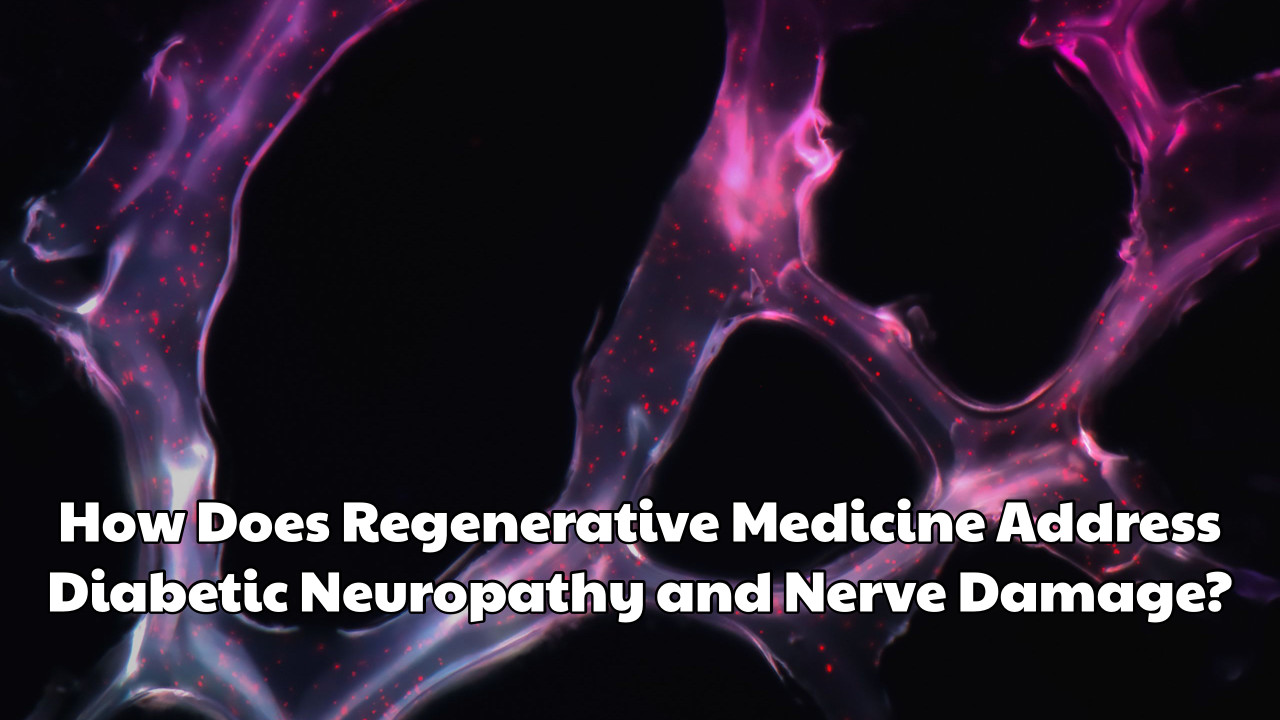
How Does Regenerative Medicine Address Diabetic Neuropathy and Nerve Damage?
Diabetic neuropathy is one of the most common and frustrating complications of diabetes. It quietly damages nerves over time, causing pain, numbness, and a loss of sensation that can make everyday life genuinely difficult. For many people, standard treatments offer limited relief. They manage symptoms for a while but do little to repair the underlying nerve damage. That is where regenerative medicine for nerve damage is changing the conversation. By targeting the root cause rather than just the symptoms, regenerative approaches like stem cell therapy offer a more meaningful path toward recovery for people living with diabetic neuropathy.
What Is Diabetic Neuropathy and How Does It Affect the Body?
Diabetic neuropathy is nerve damage caused by prolonged exposure to high blood sugar levels. Over time, elevated glucose disrupts the blood supply to nerves and interferes with the signals they send throughout the body. The result is a gradual breakdown in nerve function that typically starts in the feet and legs before spreading to other areas.
The symptoms vary depending on which nerves are affected, but most people experience a combination of numbness, tingling, burning sensations, and sharp or shooting pain. Some describe it as wearing invisible gloves or socks, unable to feel textures, pressure, or temperature properly. Others deal with muscle weakness or problems with digestion, bladder control, and heart rate regulation when the autonomic nervous system is involved.
These symptoms affect far more than physical comfort. People with neuropathy often struggle with walking, sleeping, and doing basic tasks without pain or fear of injury. Falls become more common because the feet cannot sense the ground beneath them. Wounds go unnoticed and become infected. Quality of life drops significantly, and mental health often suffers alongside physical health.
The scale of this problem is significant. According to the International Diabetes Federation, approximately 537 million adults worldwide were living with diabetes as of 2026, and up to 50 percent of them will develop some form of neuropathy during their lifetime. Despite how widespread it is, effective treatment remains one of the most persistent gaps in diabetic care.
Why Traditional Treatments Often Fall Short for Nerve Damage
Conventional diabetic neuropathy treatment typically focuses on managing pain rather than repairing nerves. Medications like gabapentin, pregabalin, and duloxetine are commonly prescribed to reduce the sensation of pain, but they do not stop nerve damage or help nerves heal. They work by interfering with pain signals, not by addressing the tissue damage that creates those signals in the first place.
Over time, many patients find that these medications become less effective. The body adapts, doses need to increase, and side effects such as dizziness, fatigue, and cognitive fog become harder to tolerate. The underlying neuropathy continues to progress while the treatment simply tries to keep pace with worsening symptoms.
Blood sugar control is essential and can slow the progression of neuropathy, but it rarely reverses damage that has already occurred. Once nerves are injured, the body has limited natural capacity to repair them, especially in people with ongoing circulatory issues from diabetes. This creates a frustrating cycle where patients manage their glucose carefully, take their medications, and still find themselves losing sensation or dealing with chronic pain.
The need for approaches that actually promote nerve repair is real and urgent. Regenerative solutions that work with the body’s own healing systems represent a meaningful step forward from the symptom-masking model that has defined neuropathy care for decades.
How Do Mesenchymal Stem Cells Target Damaged Nerves?
Mesenchymal stem cells are a specific type of adult stem cell found in bone marrow, fat tissue, and umbilical cord tissue. They are well-suited for nerve repair because they have the ability to communicate with damaged tissue, reduce inflammation, and trigger the body’s natural healing response. For people exploring Type 2 Diabetes Stem Cell Treatment and Foot Neuropathy, understanding how these cells work is an important first step.
When mesenchymal stem cells are introduced into the body near damaged nerve tissue, they release a range of growth factors and signaling proteins through a process called paracrine signaling. This does not require the stem cells to permanently integrate into nerve tissue. Instead, they act like biological messengers, sending out chemical signals that tell surrounding cells to repair, regenerate, and reduce inflammation. Growth factors like nerve growth factor, brain-derived neurotrophic factor, and vascular endothelial growth factor are all released as part of this process.
Inflammation plays a major role in the progression of nerve damage. Chronic low-level inflammation around nerves disrupts their function and accelerates deterioration. Mesenchymal stem cells have well-documented anti-inflammatory properties that can interrupt this cycle, creating an environment where healing becomes possible rather than continually being reversed.
Beyond managing inflammation, these cells also stimulate the formation of new blood vessels, which improves circulation to areas that have been starved of adequate blood flow. Better circulation means better oxygen and nutrient delivery to nerve tissue, which is essential for any real regeneration to take place.
What Role Does Regenerative Medicine Play in Restoring Nerve Function?
Restoring nerve function requires more than reducing pain signals. It involves repairing the physical structure of damaged nerves, including the myelin sheath that surrounds and protects nerve fibers, and in some cases promoting the regrowth of axons that carry signals between the brain and the rest of the body.
Regenerative medicine addresses this structural challenge in a way that pharmaceutical treatments simply cannot. Stem cells can differentiate into Schwann cells, which are the cells responsible for producing myelin in the peripheral nervous system. When the myelin sheath is repaired, nerve conduction improves, and signals travel more efficiently. This is one of the reasons patients often report improvements in sensation and reduction in pain after stem cell therapy for neuropathy. For people dealing with foot-related nerve damage, this repair process can be particularly impactful in restoring balance and mobility.
Axon regeneration is a slower and more complex process, but regenerative therapy supports it through the same growth factor environment created by stem cells. When the conditions around damaged nerves are right, the body can begin regrowing nerve fibers along the existing pathways.
Improved blood flow is another critical piece. Many people with diabetes have compromised circulation, particularly in the lower extremities. Stem cell therapy promotes angiogenesis, the formation of new blood vessels, which directly supports nerve health. Without adequate blood supply, even the most robust nerve repair effort will be limited.
In terms of timeline, most patients begin noticing early changes in sensation and pain levels within four to eight weeks of treatment. More substantial functional improvement tends to develop over three to six months as the regenerative process continues. The timeline varies based on the severity of the neuropathy and the patient’s overall health.
Can Stem Cell Therapy Reverse Diabetic Neuropathy Symptoms?
This is one of the most common questions people have, and it deserves a direct and honest answer. Stem cell therapy has shown meaningful results in reducing diabetic neuropathy symptoms, but calling it a complete reversal in every case would overstate what the evidence currently supports. What the clinical data and patient outcomes consistently show is significant improvement, which for many people represents a life-changing outcome. Nerve pain tends to heal very fast, but resetting the immune system to stop attacking and start protecting takes longer. This is why we prefer to do a stem cell IV to reset the immune system and direct shots to the areas with the most neuropathy to heal the nerves fast.
Patients treated with mesenchymal stem cells for diabetic neuropathy frequently report reductions in burning pain, decreased tingling and numbness, and improved sensation in previously affected areas. Some patients regain enough feeling in their feet to walk more confidently. Others experience a reduction in the frequency and intensity of pain episodes that had previously disrupted sleep and daily function.
The distinction between reversal and significant improvement matters because it sets realistic expectations. In cases of mild to moderate neuropathy, where nerve damage has not progressed to complete fiber loss, the potential for meaningful restoration is higher. In advanced cases, the goal may shift toward halting further deterioration and improving quality of life rather than achieving full sensory recovery.
Several factors influence how well a patient responds to treatment. These include how long they have had neuropathy, how well their blood sugar has been managed, their overall circulation and cardiovascular health, and whether the treatment is combined with complementary approaches. Patients who address these factors alongside regenerative therapy tend to see better outcomes.
How Does the Treatment Process Work at Dream Body Clinic?
At Dream Body Clinic in Puerto Vallarta, the patient journey is structured to be thorough, supportive, and transparent from start to finish. For patients who want to learn how to book their stem cell IV treatment, the process begins well before arriving at the clinic.
The journey starts with an initial consultation where the medical team reviews the patient’s history, current symptoms, blood work, and overall health profile. This step helps determine whether the patient is a good candidate for treatment and which protocol will be most appropriate for their specific condition.
The stem cells used at Dream Body Clinic are sourced from rigorously screened umbilical cord tissue donors. Umbilical cord-derived mesenchymal stem cells are preferred for their high potency, immune tolerance, and consistent quality. The cells undergo strict quality control testing before they are prepared for administration.
For neuropathy treatment, stem cells are typically administered intravenously, which allows them to circulate through the bloodstream and migrate toward areas of inflammation and damage. In some cases, additional targeted delivery methods may be used depending on the specific presentation.
After treatment, the clinical team monitors the patient closely during their stay and provides detailed guidance for the days and weeks that follow. Patients receive a structured follow-up plan that includes check-ins to track their progress, assess symptom changes, and address any questions that arise during recovery.
What Makes Combination Therapy with HGH More Effective?
One of the distinguishing features of Dream Body Clinic’s approach to neuropathy treatment is the combination of stem cell therapy with Human Growth Hormone. For patients interested in the full picture, the ultimate guide to HGH therapy explains how this hormone supports cellular repair across multiple systems in the body.
Human Growth Hormone plays a central role in cellular regeneration and tissue repair. As people age, natural HGH levels decline, which slows the body’s ability to heal and rebuild. When HGH is introduced as part of a regenerative protocol, it amplifies the healing signals already triggered by stem cells. This creates a more favorable environment for nerve repair to take place and may accelerate the timeline of improvement.
The synergy between stem cells and HGH is particularly relevant for neuropathy because both work on complementary aspects of the repair process. Stem cells address inflammation and trigger growth factor release at the site of nerve damage, while HGH supports the broader cellular machinery needed to carry out that repair. Together, they create conditions where the body can do more than it could with either approach alone.
Safety is a priority in any combination protocol. Dream Body Clinic’s medical team evaluates each patient’s hormonal profile and health status before incorporating HGH into the treatment plan. Dosing is individualized and monitored throughout the course of therapy to ensure both effectiveness and safety.
Who Is an Ideal Candidate for Regenerative Neuropathy Treatment?
Not every patient with diabetic neuropathy will have the same experience with regenerative therapy, and the clinical team at Dream Body Clinic conducts a careful assessment to identify who is most likely to benefit. For patients also managing type 2 diabetes alongside neuropathy, this evaluation includes a thorough look at how well the underlying condition is being controlled.
Ideal candidates are generally those with mild to moderate peripheral neuropathy who have not yet experienced complete nerve fiber loss. Patients who have been living with neuropathy symptoms for less than five years tend to respond more strongly, though improvements have been observed in patients with longer-standing conditions as well.
Controlling blood sugar is an important factor both before and after treatment. Patients whose diabetes is actively managed through medication, diet, or lifestyle changes tend to create a better internal environment for regenerative therapy to work. Persistently high glucose levels can undermine the healing process even when the treatment itself is administered correctly.
Pre-treatment evaluation typically includes blood work, cardiovascular screening, an assessment of current medications, and a detailed discussion of the patient’s goals and expectations. This allows the team to design a protocol that is both appropriate and realistic for each individual.
Age alone is not a disqualifying factor. Patients across a wide range of ages have benefited from regenerative neuropathy treatment when their overall health profile supports it.
What Safety Protocols Ensure Effective Nerve Regeneration?
Safety is foundational to everything Dream Body Clinic does. The clinic operates under strict certification standards and follows international guidelines for stem cell sourcing, handling, and administration. Every step of the process, from cell procurement to post-treatment monitoring, is designed to minimize risk and protect the patient.
Stem cell quality control begins with donor screening. All umbilical cord tissue donors undergo comprehensive testing for infectious diseases and genetic markers before any cells are processed. The cells are then tested again for viability, purity, and potency before being approved for clinical use.
All procedures are performed in sterile environments using medical-grade equipment and protocols consistent with international healthcare standards. Infection prevention is treated with the same level of attention as any surgical procedure, even though stem cell infusions are minimally invasive.
During treatment, the clinical team monitors vital signs and patient response in real time. After treatment, a structured follow-up schedule tracks the patient’s progress, identifies any unexpected responses early, and allows for adjustments to the recovery plan if needed. Patients are never left to navigate the post-treatment period without guidance.
How Long Does It Take to See Improvement in Neuropathy Symptoms?
One of the most common questions patients ask is how quickly they will notice a difference. The honest answer is that it varies, but there are recognizable patterns that give a general framework for what to expect.
In the first two to four weeks following treatment, some patients notice a reduction in the intensity of burning pain or a change in the quality of tingling sensations. These early shifts reflect the anti-inflammatory effects of stem cells beginning to take hold. They are not always dramatic, but they are often the first signal that the body is responding.
Between four and twelve weeks, more noticeable changes in sensation often emerge. Patients may begin to feel textures or temperature in areas that were previously numb. Pain episodes may become less frequent or shorter in duration. Some patients describe this phase as a gradual reconnection with sensations they had stopped expecting to feel.
From three to six months onward, the structural repair processes are more fully underway. Myelin repair and axon regeneration are slower biological processes than inflammation reduction, so this is when the deeper functional improvements tend to become apparent. Walking comfort, balance, and mobility often improve significantly during this phase.
Factors that influence recovery speed include the severity of the neuropathy, how well blood sugar is managed throughout the recovery period, adherence to post-treatment recommendations, and whether HGH combination therapy was included in the protocol. Patients who have shared their experiences often describe the process as gradual but consistent, with improvements building on each other over several months.
What Lifestyle Changes Support Stem Cell Therapy Results?
Stem cell therapy creates the conditions for nerve regeneration, but the lifestyle surrounding that treatment has a significant impact on how far that regeneration goes. Patients who make meaningful changes in how they manage their health tend to see better and longer-lasting results.
Blood sugar management is the single most important factor. Chronic high glucose continues to damage nerves and blood vessels, which can counteract even the strongest regenerative response. Working with a physician to tighten glucose control through diet, medication, or both gives the regenerated nerves the best chance of staying healthy over time.
Nutrition also plays a supporting role. A diet rich in B vitamins, particularly B1, B6, and B12, supports nerve function and myelin health. Omega-3 fatty acids from fish, flaxseed, or supplements have anti-inflammatory properties that complement the effects of stem cell therapy. Reducing processed foods and added sugars takes pressure off the pancreas and supports stable glucose levels.
Physical therapy and gentle exercise improve circulation, which is critical for nerve health. Low-impact activities like walking, swimming, or cycling stimulate blood flow to the lower extremities without placing excessive stress on feet that may have reduced sensation. Working with a physical therapist can also help rebuild balance and coordination as nerve function improves.
Avoiding alcohol, tobacco, and other substances that impair circulation and nerve health is important both before and after treatment. These factors compound nerve damage and slow healing, so removing them from the equation gives regenerative therapy the best possible environment to work in.
Why Choose Puerto Vallarta for Regenerative Neuropathy Treatment?
For international patients seeking advanced regenerative therapies, Puerto Vallarta has become a practical and appealing destination. Dream Body Clinic’s location in this coastal city makes it accessible from most major cities in North America, with straightforward flight connections and a welcoming infrastructure for medical travelers.
The cost of treatment in Puerto Vallarta is significantly lower than comparable care in the United States or Canada, without any reduction in the quality of the cells, protocols, or medical oversight. For many patients, the savings are substantial, making a treatment that might otherwise be out of reach genuinely attainable. Patients curious about the financial side can review 2026 stem cell therapy costs and treatment options for detailed information.
Dream Body Clinic supports international patients throughout the entire process. From pre-arrival consultations and travel planning assistance to on-the-ground coordination during the stay, the team handles logistics so patients can focus entirely on their health. Accommodation recommendations, local guidance, and concierge-style support are part of the standard experience.
The environment itself contributes to recovery. Puerto Vallarta’s warm climate, ocean setting, and relaxed pace offer a natural contrast to the stress and noise of everyday life at home. Patients often comment that the combination of effective treatment and a peaceful setting made the experience feel like both medical care and genuine restoration. For anyone exploring stem cell therapy in Puerto Vallarta, this combination of access, quality, and environment is a meaningful part of what sets Dream Body Clinic apart.
Frequently Asked Questions
Can stem cell therapy completely cure diabetic neuropathy?
Stem cell therapy cannot guarantee a complete cure for diabetic neuropathy, but it has shown consistent results in significantly reducing symptoms like pain, tingling, and numbness. Many patients experience meaningful restoration of sensation and improved function. The degree of improvement depends on how advanced the neuropathy is, how well blood sugar is managed, and how the patient responds to treatment. For patients with neuropathy, outcomes can be quite significant.
How many stem cell treatments are needed for nerve damage repair?
Many patients see meaningful improvement after a single course of treatment, which typically involves one infusion and possibly direct injections depending on the area of nerve damage. Some patients choose to undergo a second round six to twelve months later to build on initial progress or address persistent symptoms. The clinical team at Dream Body Clinic evaluates each patient’s response and recommends a plan based on how the body is healing. There is no fixed number that applies to everyone though we provide as many stem cells as possible in hopes that it is a one and done treatment.
Is regenerative medicine for neuropathy covered by insurance?
In most cases, stem cell therapy for diabetic neuropathy is not covered by private insurance or government health programs, as it is still considered an emerging treatment in many regions. Patients typically pay out of pocket. Dream Body Clinic provides transparent pricing information, and the cost in Puerto Vallarta is considerably lower than what similar treatments would cost in the United States. Reviewing the stem cell therapy cost guide can help patients plan accordingly.
What is the difference between stem cell therapy and traditional neuropathy medications?
Traditional medications like gabapentin or pregabalin work by suppressing pain signals in the nervous system. They do not repair nerve tissue or address the underlying damage. Stem cell therapy takes a different approach by introducing cells that reduce inflammation, release healing growth factors, and support the physical repair of nerves. The goal is not to mask pain but to create conditions where the nervous system can actually recover. This is a fundamentally different category of treatment. You can also review the stem cells FAQ for a broader overview of how this therapy works.
Are there any side effects associated with stem cell treatment for nerve damage?
Stem cell therapy using mesenchymal stem cells is generally well tolerated. The most commonly reported responses are mild and temporary, such as slight fatigue, low-grade fever, or minor discomfort at the infusion site in the days immediately following treatment. Serious adverse events are rare, particularly when the cells are sourced from thoroughly screened donors and administered in a controlled clinical environment. Dream Body Clinic’s safety protocols are designed to minimize risk at every stage.
How soon after diagnosis should someone consider regenerative therapy?
Earlier is generally better. Seeking regenerative treatment soon after a neuropathy diagnosis, when nerve damage is still in earlier stages, gives stem cell therapy the best chance of meaningful restoration. That said, patients who have been living with neuropathy for years have also seen improvements. A consultation with the Dream Body Clinic team will give any patient a clear picture of where they stand and what level of improvement is realistic given their specific history.
Can regenerative medicine help with neuropathy in other body areas besides feet?
Yes. While foot and lower leg neuropathy is the most common presentation of diabetic nerve damage, stem cell therapy can address neuropathy affecting the hands, arms, digestive system, and other areas. The same regenerative mechanisms that support nerve repair in the feet apply throughout the body. The treatment protocol may be adapted depending on which areas are affected and the severity of the symptoms in each region.
Call us for a free consultation at (888) 704-3977 or on WhatsApp at +523222321055