
You’ve noticed that your knee hurts on stairs, swells after a long walk, or feels stiff when you stand up. An MRI may show osteoarthritis, a meniscus tear, or a partial ligament injury, and now you’re comparing physical therapy, injections, and possibly knee replacement with stem cell procedures for knees.
The important question isn’t just whether stem cells can help. It’s how mesenchymal stem cells work, which knee problems may respond, what the procedure involves, and what the evidence can and can’t promise. This guide focuses on allogeneic mesenchymal stem cell treatment at Dream Body Clinic, meaning expanded cells from screened umbilical cord Wharton’s jelly and placenta, not cells harvested from your own bone marrow or fat, and not embryonic or gene-edited cells.
Table of Contents
- What Knee Stem Cell Therapy Actually Does
- How MSCs Talk to Your Knee Instead of Becoming Cartilage
- Knee Conditions That Respond to Stem Cell Procedures
- The Treatment Journey From MRI to Follow-Up
- Dosing, PRP, and How Cell Counts Are Chosen
- What Results and Recovery Actually Look Like
- Can It Regenerate Cartilage or Just Reduce Symptoms
- Is a Knee Stem Cell Procedure Right for You
What Knee Stem Cell Therapy Actually Does
Consider a 52-year-old patient with grade 3 medial knee osteoarthritis. The patient still works, wants to remain active, and has pain on stairs and during longer walks. A knee replacement may eventually become appropriate, but the patient wants to know whether a biological treatment could reduce symptoms or slow the decline before choosing an irreversible operation.
That’s a reasonable conversation, but it needs accurate expectations. Knee MSC therapy isn’t a guaranteed cartilage replacement procedure. The main clinical aim is to change the joint environment by reducing inflammatory activity, supporting local repair responses, and improving pain and function over time. The treatment may help some patients postpone more invasive treatment, but it shouldn’t be presented as a new knee grown inside the old one.
The treatment in plain language
At Dream Body Clinic in Bucerías, near Puerto Vallarta, the stem cell knee protocol uses allogeneic mesenchymal stromal cells, often called MSCs. These are expanded in the clinic’s COFEPRIS-licensed lab from Wharton’s jelly and placenta donated after live, healthy births. Donors are screened, the cells are grown in a GMP-grade xeno-free medium, and the treatment dose is taken out of culture the day before injection so it is never frozen for use.
A clinician then delivers 50 million of those cells into the knee joint under ultrasound guidance. There is no bone marrow draw and no liposuction. The visit is built around the MRI, bloodwork, and the injection, not around harvesting tissue from the patient. The standard package is $3,500 USD for one knee and $7,000 for both, and it includes the on-site MRI, blood panel, consultation, and the 50 million cell injection. Patients plan to be in town about five days.
A large 2018 meta-analysis of MSC therapy for knee osteoarthritis pooled 35 studies involving 2,385 patients. It reported improvements in pain, self-reported physical function, and cartilage-quality scores, while also showing wide variation in minor reactions such as knee pain or swelling. The review found no severe adverse events in the included studies, but that result doesn’t mean every preparation, clinic, or patient carries the same risk. Many of the stronger trials in this field use expanded allogeneic cells, including umbilical-cord sources, rather than same-day concentrates from the patient’s own marrow or fat.
A Cochrane review of knee stem cell injections examined 25 studies with 1,341 participants, including placebo-controlled research. It concluded that the evidence remains limited by small trials and low certainty, even though the field now includes randomized and comparative studies rather than only isolated pilot reports.
Practical rule: a responsible consultation should discuss possible symptom improvement and the uncertainty around long-term structural repair in the same conversation.
The rest of the decision depends on mechanism, candidacy, MRI planning, cell preparation, recovery, and outcome tracking. Judge the treatment by walking, stair tolerance, swelling, and function. A follow up MRI 6 months post treatment or after can prove cartilage, meniscus, ligament or tendon regeneration.
How Allogeneic MSCs Talk to Your Knee Instead of Becoming Cartilage
The clearest way to understand MSC therapy is to think of the cells as a temporary crisis-response team, not replacement cartilage. After injection, they interact with the irritated joint environment and release biological messages that influence nearby tissues. Those messages can affect inflammation, immune activity, pain signaling, and the behavior of the body’s own repair cells.
The cells themselves don’t differentiate into new hyaline cartilage in any clinically meaningful way. They work primarily through the paracrine effect: they send specialized signals that guide the healing process rather than turning into cartilage cells that permanently rebuild the joint surface. Allogeneic cells can do this because MSCs express very little HLA class II and are relatively immune-evasive, which is why a donor-derived dose can be placed in the joint without matching the patient.
What the signals do
MSC-derived signals include cytokines, growth-related factors, extracellular vesicles, and exosomes. Reviews describe these substances as helping to calm synovial inflammation, reduce oxidative stress, limit cell death, and recruit or stimulate the patient’s own local repair cells. A review of MSC mechanisms in knee osteoarthritis describes migration toward injury signals and the release of bioactive molecules that influence the surrounding tissue.
A separate mechanistic review of MSCs and osteoarthritis emphasizes that immune regulation and paracrine signaling are more plausible explanations for the main therapeutic effect than direct cartilage-cell replacement. Exosomes may influence pain, inflammation, cartilage degeneration, matrix expression, and the subchondral bone environment.
This mechanism changes how the procedure is set up at Dream Body Clinic:
- Dose: The goal isn’t to permanently seed the knee with cartilage-producing cells. The knee dose is a counted 50 million expanded allogeneic MSCs, chosen for a useful signaling presence rather than whatever volume a same-day bone marrow or fat draw happens to yield.
- No harvest: Because the cells are donor-derived and expanded in house, the patient avoids the pain, variability, and lower MSC counts of autologous bone marrow aspirate or adipose procedures.
- MRI planning: Imaging identifies inflammation, cartilage loss, meniscus damage, bone spurs, and whether a tear is partial or complete. It decides candidacy and gives a baseline.
- Rehabilitation: Gradual loading gives the knee time to respond while avoiding an early overload. Peak change is expected over months, not days.
The cells send instructions. They don’t become the finished structure.
Knee Conditions That Respond to Stem Cell Procedures
The diagnosis matters more than the label “stem cells.” Allogeneic MSC therapy may be considered for several knee problems, but the likely benefit depends on tissue stability, disease severity, mechanical alignment, and whether surgery is already the more logical solution.
Osteoarthritis
Patients with Kellgren-Lawrence grade 2 or grade 3 osteoarthritis are commonly stronger candidates than patients with grade 4, bone-on-bone disease. Activity-related pain, recurrent swelling, and morning stiffness can fit a pattern worth evaluating, especially when joint space and alignment remain reasonably preserved.
Grade 4 arthritis, major deformity, severe loss of joint space, or large osteophytes can reduce the chance that an injection will meet expectations. Stem cells can’t remove bone. Dream Body Clinic reviews the MRI before treatment and may disqualify a knee with osteophytes that would compromise healing. That doesn’t make a consultation pointless, but the discussion should include realistic expectations and, when appropriate, an orthopedic surgical opinion.
Ask yourself:
- Is my diagnosis confirmed by imaging?
- Do I still have meaningful joint space, without large bone spurs?
- Have exercise therapy, strength work, weight management where relevant, and other conservative options been addressed?
- Am I seeking improved function rather than a promise that the arthritis will disappear?
Meniscus tears
Degenerative and partial meniscus tears may be considered when the tear is stable and symptoms are not caused by a large displaced fragment. A partial tear in better-vascularized tissue is a more plausible target than a complex tear or a root tear that has lost its anchor. Some patients explore treatment because they want to improve symptoms or delay meniscectomy, not because an injection can guarantee complete meniscus restoration.
Dream Body Clinic uses the same 50 million allogeneic MSC intra-articular dose for a torn meniscus as for the arthritic knee. A clinic case report describes a 45-year-old man with a horizontal tear of the posterior horn of the medial meniscus and grade II femorotibial osteoarthritis who received that dose. Follow-up MRI at about six and a half months reported resolution of the medial tear and preserved cartilage thickness. That is one documented case, not a guarantee. The lateral meniscus lesion in that same patient persisted.
Radial, root, and complex tears often have poorer mechanical prospects. A knee that locks, repeatedly gives way, or has a displaced fragment needs a surgical assessment before any injection. Complete tears are not treated: the cells can’t bridge a fully separated fragment.
Partial ligament injuries
Grade 1 and grade 2 MCL, LCL, ACL, or PCL sprains may be evaluated when the knee retains functional stability. Chronic laxity in a low-demand patient requires careful selection, because signaling may support tissue quality and symptoms, but it doesn’t recreate a fully functional ligament in every case.
The mechanism is signaling-driven support, not guaranteed ligament regeneration. A high-demand athlete with major instability, pivoting symptoms, or a complete rupture may need reconstruction planning. Complete tears are a common reason Dream Body Clinic declines treatment after MRI review.
The Treatment Journey From MRI to Follow-Up
Before the procedure
The clinic asks for a recent written MRI report when one exists, so the physicians can judge candidacy before travel. If the joint has osteophytes or a complete tear, treatment is often declined. Patients with cancer in the past five years are not treated. If you are disqualified after arriving, you are charged for the MRI and blood panel only, not the cell dose.
Plan on at least five days in the Puerto Vallarta area. A typical schedule is arrival and rest, MRI and bloodwork, MRI review and payment, treatment, then travel home.
On procedure day
There is no harvest. The 50 million allogeneic MSCs have already been expanded in the on-site lab and are injected into the joint under ultrasound guidance after skin preparation. The visit is usually short compared with surgery. Temporary tightness from the injected volume is common.
After injection
The first one to two days are for rest, with light walking allowed. The first week is for ordinary daily activity and no high-impact exercise. Weeks two through six are the early response window: follow the rehab exercises provided, and don’t test the knee with the sport that injured it. Noticeable change often builds from weeks two to four, with the larger gains reported between three and six months as the joint environment settles. A small share of patients don’t respond. Results are not immediate, and they are not guaranteed.
Dosing and Why This Isn’t a Same-Day Autologous Procedure
Dream Body Clinic’s knee dose is fixed: 50 million expanded allogeneic MSCs, intra-articular, one knee. Both knees are treated as two procedures. The count comes from culture, with viability checked before use, rather than from the unpredictable yield of a bone marrow aspirate or a fat sample processed the same day.
That difference matters. Same-day autologous concentrates contain a small fraction of actual MSCs mixed with other bone marrow or fat cells. An expanded Wharton’s jelly dose is selected, screened, and counted. The cells used for treatment are not a thawed shipping product. They come out of culture the day before and are given within 24 hours.
Why PRP is not the knee protocol
Some clinics pair platelet-rich plasma with a cell injection to add an early growth-factor signal. Dream Body Clinic’s standard knee package does not. The treatment is the 50 million allogeneic MSC injection, with MRI and bloodwork included. PRP remains part of some of the clinic’s other joint protocols, such as the shoulder, but it is not how the knee dose is built.
What Results and Recovery Actually Look Like
A staged expectation
Days 1–2: soreness or tightness, rest, light walking. Week 1: normal daily activity, no impact training. Weeks 2–6: early changes in pain and swelling for responders, with a structured rehab progression. Months 2–3: continued change and a gradual return to stronger loading. Months 3–6: the window when the clinic expects peak benefit. Months 6–12: remodeling, if a response occurred.
The published trials support possible improvement in pain and function, with low rates of serious events in the studied preparations, and low certainty about how large or durable that improvement is. Minor swelling after injection is the reaction to expect. Infection risk is small and is managed with standard skin preparation. It is not zero.
Can It Regenerate Cartilage or Just Reduce Symptoms
Both claims circulate. The more defensible one is symptom change through inflammatory and immune signaling. Structural repair, meaning new durable hyaline cartilage on MRI, is not something current trials can promise.
Imaging can confuse the issue. A follow-up MRI may look better, unchanged, or only partly better even when the patient walks farther and takes stairs with less pain. The Dream Body Clinic meniscus case showed medial tear resolution and preserved cartilage thickness on a later scan. Other patients improve symptomatically without a dramatic image change. A scan is a baseline and a safety check, not a scoreboard you can treat as guaranteed.
Is a Knee Stem Cell Procedure Right for You
Signals that support a consultation
Imaging-confirmed osteoarthritis with remaining joint space, a stable partial meniscus tear, or a partial ligament injury with a knee that still feels mechanically trustworthy. You have already tried sensible loading, strength work, and weight management where it applies. You want a minimally invasive option and can spend about five days in Bucerías. You are not looking for a substitute for reconstruction of a complete tear or for a guarantee against future replacement.
Questions to take to the clinic
- Is this dose allogeneic Wharton’s jelly or placenta MSCs expanded in your lab, or a same-day concentrate from my own marrow or fat?
- What does my MRI say about osteophytes, joint space, and whether the tear is partial or complete?
- What happens if I am not a candidate after the scan?
- What does recovery look like at six weeks and at six months, and how will we judge a response if the MRI barely changes?
Dream Body Clinic’s knee stem cell treatment is a 50 million allogeneic mesenchymal stem cell injection for selected osteoarthritis, partial meniscus tears, and partial ligament injuries, with MRI included, at dreambody.clinic. It is a signaling treatment with a known cell count, not a harvest procedure and not a new knee.
How MSCs Talk to Your Knee Instead of Becoming Cartilage
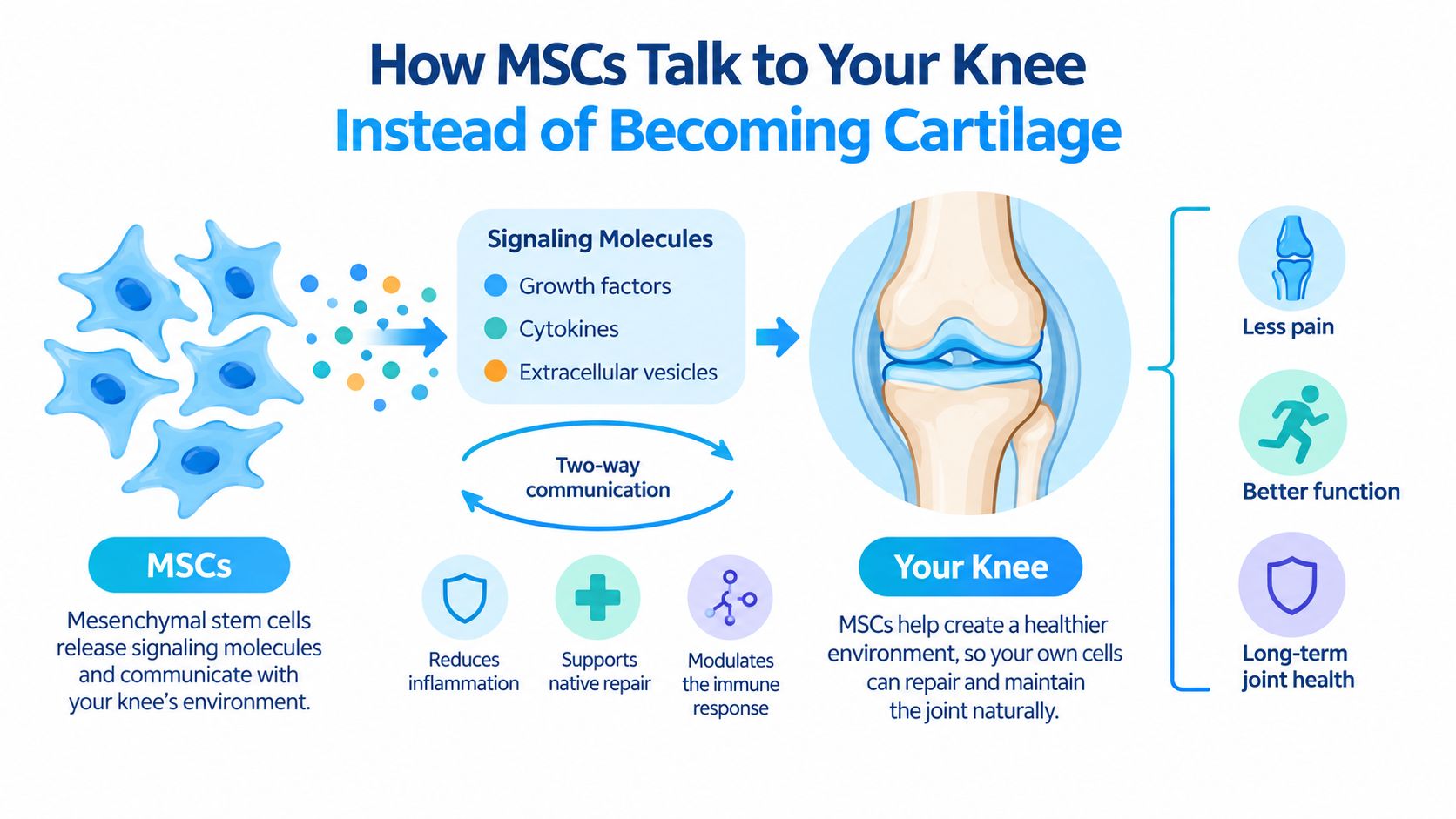
The clearest way to understand MSC therapy is to think of the cells as a temporary crisis-response team, not replacement cartilage. After injection, they interact with the irritated joint environment and release biological messages that influence nearby tissues. Those messages can affect inflammation, immune activity, pain signaling, and the behavior of the body’s own repair cells.
The cells themselves don’t differentiate into new hyaline cartilage in any clinically meaningful way. They work primarily through the paracrine effect, which means they send out specialized signals to guide the healing process rather than turning into cartilage cells that permanently rebuild the joint surface.
Meniscus tears
Degenerative meniscus tears may be considered when the tear is stable and symptoms are not caused by a large displaced fragment. A partial tear in the vascular red-white region may offer a more biologically plausible target than a complex tear in a poorly vascularized area. Some patients explore treatment because they want to improve symptoms or delay meniscectomy because an injection can heal partial tears and damage to the meniscus in most cases.

Partial ligament injuries
MSCs tend to heal ligaments very fast. This is because the ligament is a more fibrous tissue that they can get to easily. They then guide the removal of fibrosis (scar tissue) which then exposes the underlying tissue that is damaged so the MSCs can guide the repair of it.
The mechanism here is signaling-driven stabilization then repair and regeneration of any partial tears or damage to the ligament.

| Condition | Best Candidates | Candidacy Red Flags |
|---|---|---|
| Osteoarthritis | Grade 1, 2 or 3 disease, preserved alignment, activity-related pain | Grade 4 bone-on-bone, severe deformity, osteophytes |
| Meniscus tear | Stable degenerative or partial tear, especially in a more vascular region | Root, radial, complex, displaced, or locking tear |
| Partial ligament injury | Grade 1 or 2 sprain, functional stability, lower-demand activity | Major instability, complete rupture, high-demand pivoting sport |
The Treatment Journey From MRI to Follow-Up
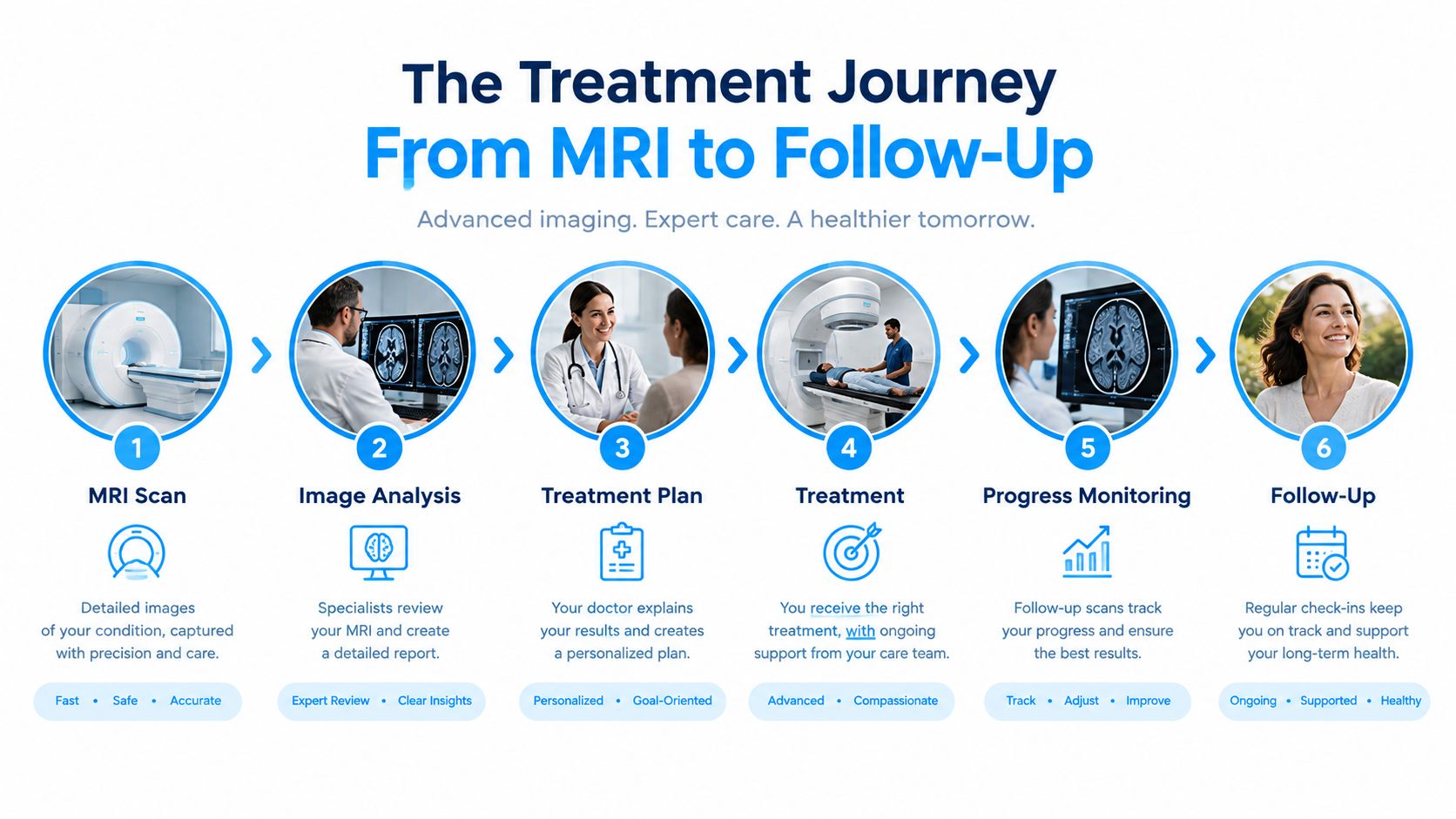
A well-planned procedure starts before the injection. The first step is usually a clinical examination combined with imaging, often including an MRI. The scan helps identify cartilage thickness, meniscus status, ligament injury, synovial changes, and subchondral bone findings that may influence candidacy or injection targeting.
Before the procedure
During consultation, the clinician should connect your symptoms with the MRI rather than treating the scan alone. You’ll discuss the goal, possible alternatives, expected recovery, and the possibility that surgery may still be appropriate. Consent should include uncertainty, temporary swelling or pain, infection risk, inadequate improvement, and the limits of treatment.
On procedure day
Ask any final questions to the doctor then get started. The stem cell knee treatment is an in outpatient procedure so please wear shorts, dress or skirt for easy access to the knee. The nurse prepares the deep field ultrasound for the doctor to line up the injection site. Mentally the treatment can seem painful, but in reality it is nearly pain free. You will feel the needle go in, but the skin at the injection site is tight from the knee being bent that you barely feel anything. Then the doctor applies the 50 million MSCs suspended in 3ml of saline solution. It feels like a small balloon being inflated inside the knee then it is over.
You then walk out feeling virtually the same.
After injection
We recommend 6 weeks of no major lower body exercise or activity. The first 2 weeks take it easy then Dream Body Clinic provides a 4 week light physical rehab protocol to follow. This video explains:
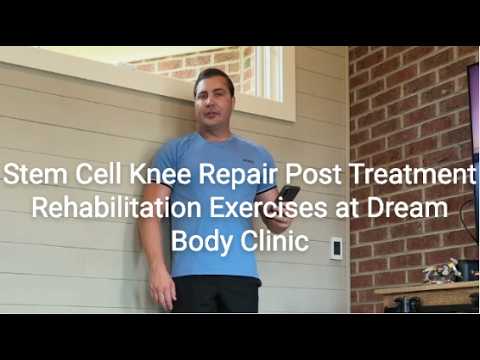
Those milestones shouldn’t be treated as automatic permission to resume every activity. The paracrine response is biological, but loading remains mechanical. Your clinician and physical therapist should advance activity when the knee demonstrates stable function rather than just because a calendar date has arrived.
Dosing and How Cell Counts Are Chosen
There isn’t one universally correct MSC dose for every knee. Published knee protocols commonly discuss a range of approximately 20 million to 100 million cells, while some individualized programs may use a higher target. The right number depends on the cell source, preparation method, cell viability, patient age, defect size, osteoarthritis severity, and whether the treatment is staged or combined with another orthobiologic.
At Dream Body Clinic we have found that 50 million MSCs suspended in 3ml of saline solution is the best fit. This is the most MSCs we can fit into the joint without causing too much pressure. The knee is a hallow joint with almost nowhere for the administered liquid to go after treatment. If you add too much fluid then you cause excess pressure and the knee swells up. This is why we don’t add PRP to the knee stem cell therapy protocol at Dream Body Clinic.
For practical planning, this guide to stem cell knee injection cost may help you identify which parts of a treatment plan should be clarified before you compare prices. Cost alone can’t tell you whether two protocols are biologically or clinically equivalent.
What Results and Recovery Actually Look Like
Patients often expect an injection to behave like a local anesthetic. MSC therapy usually doesn’t work that way. The early period may involve soreness, swelling, or only modest symptom change, while the more meaningful functional response will build over the following months. Peak results are usually 3 to 6 months post treatment.
A staged expectation
During weeks one through four, the focus is protecting the knee, controlling irritation, and maintaining appropriate movement. Some patients notice less swelling or improved comfort, while others feel little change at first. Early pain relief shouldn’t be used as proof that cartilage has regenerated.
Between months two and six, patients may begin to notice better stair tolerance, longer walking capacity, improved exercise participation, or fewer activity-related flares. The response depends on the osteoarthritis grade, alignment, meniscus or ligament damage, strength, sleep, activity demands, and the quality of rehabilitation.
A 2025 systematic review and meta-analysis of eight randomized controlled trials included 502 patients and found improved WOMAC scores at six and twelve months. WOMAC combines pain, stiffness, and function, so it is more informative than asking only whether the knee hurts less on a particular day.
The evidence doesn’t mean every patient improves. A patient with moderate disease and preserved mechanics may have a more realistic opportunity for benefit than a patient with severe deformity and bone-on-bone contact. Some people see little change, and others may eventually need surgery despite an initially useful response.
Improvement should be measured by what you can do, not just by how the knee feels in the clinic.
Useful follow-up questions include whether swelling has decreased, whether walking distance has increased, whether stairs are easier, and whether the knee tolerates a structured strengthening program. MRI or functional scores may add context, but neither should replace a conversation about daily life.
Can It Regenerate Cartilage or Just Reduce Symptoms
Patients usually ask two different questions at once:
- Can the treatment reduce pain and improve function?
- Can it change the underlying disease by rebuilding durable cartilage?
Clinical studies often report improvements in pain, stiffness, and function, while structural regeneration remains uncertain. A review of culture-expanded MSC therapy examined randomized and nonrandomized clinical studies and reported that many studies measured functional improvement and cartilage-related outcomes.
Patients at Dream Body Clinic have reported improved function, reduced pain and tissue regeneration in the majority of cases.
Is a Knee Stem Cell Procedure Right for You
A sensible decision begins with diagnosis, not marketing. You need to know whether the main problem is osteoarthritis, a meniscus injury, ligament instability, inflammatory disease, referred pain, or several conditions at once. An injection aimed at the wrong pain generator is unlikely to produce a meaningful result.
Signals that support a consultation
A consultation may make sense when you have mild to moderate arthritis, a symptomatic but stable meniscus tear that isn’t an obvious surgical repair candidate, or a partial ligament injury with useful residual stability. Preserved alignment, manageable activity demands, and willingness to accept uncertainty also matter.
The opposite signals deserve caution. Severe bone-on-bone arthritis, advanced deformity, active infection, uncontrolled inflammatory arthropathy, major mechanical locking, or unrealistic expectations of cartilage regrowth can make the procedure a poor fit. When the knee is unstable or severely damaged, an orthopedic surgeon should explain whether reconstruction or replacement offers a more reliable path.
A recent review of knee MSC evidence and safety describes heterogeneity in cell source, dose, disease severity, and follow-up.
Call (888) 704-3977 for a free stem cell knee treatment consultation
Questions to take to a clinic
- Diagnosis: What exactly is causing my symptoms, and does the MRI support that conclusion?
- Mechanism: Are you presenting MSCs as signaling cells, or promising that they will become new cartilage?
- Preparation: What is the cell source, viable-cell count, processing method, and red-blood-cell content?
- Target: Where will the injection go, and how does the MRI determine the plan?
- Outcome: What improvement should I track at two, six, and twelve weeks, and later in the recovery?
- Alternatives: Would physical therapy, another injection, meniscus surgery, ligament reconstruction, or knee replacement be more appropriate?
- Evidence: What are the limitations of the studies supporting this protocol?
Gather your MRI and prior imaging, write down previous treatments and their effects, record the activities you can no longer do, and request a candidacy review that includes non-regenerative alternatives. Ask the clinic what outcomes its own patients report and look for testimonials from real people not celebrities that probably got free treatment for a good review.
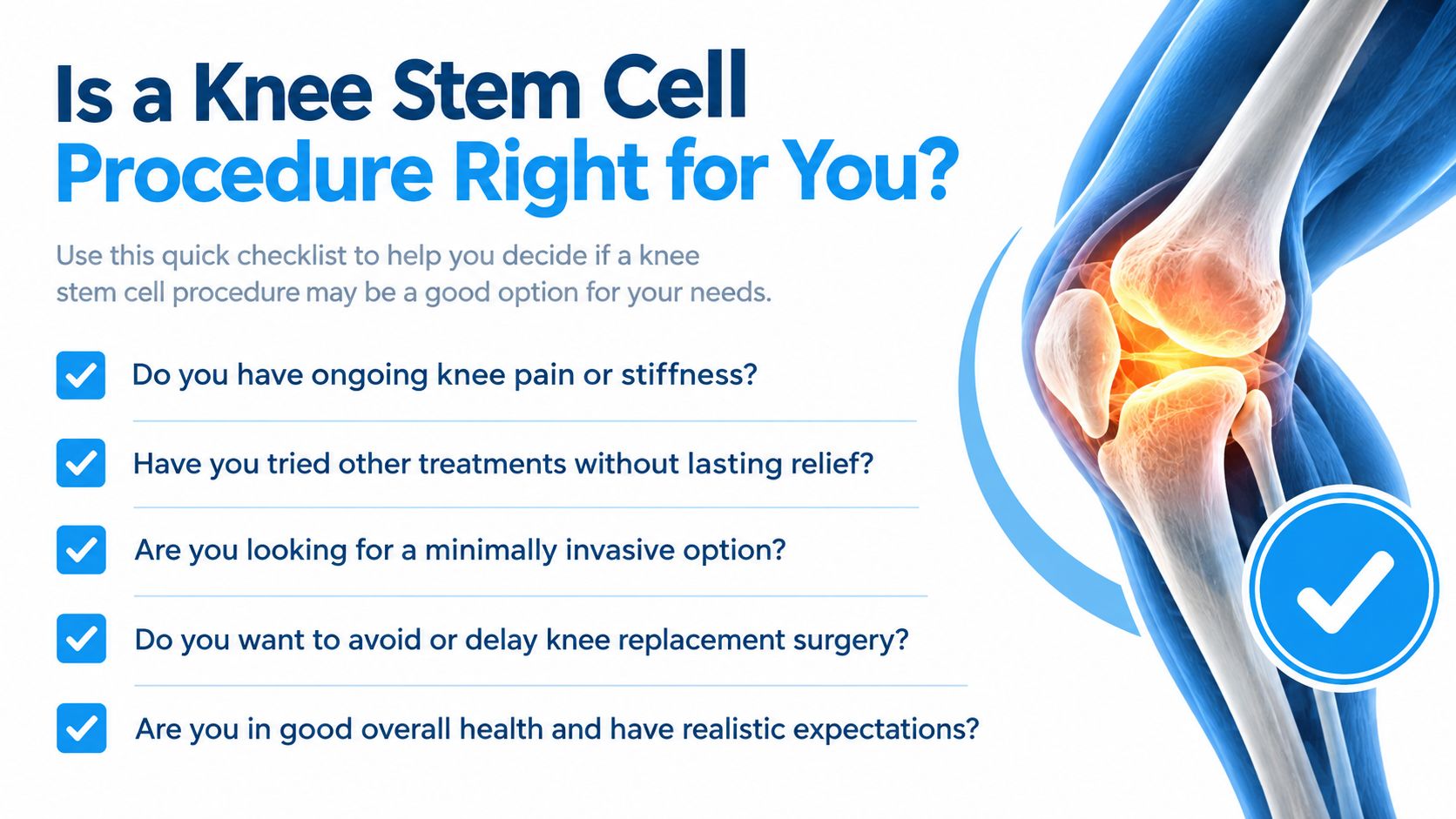
Dream Body Clinic offers knee-focused MSC treatment with MRI-based planning, blood work, and image-guided intra-articular delivery, alongside a clinical review of whether the approach fits your diagnosis. If you’re exploring stem cell procedures for knees and want to discuss your imaging, goals, and alternatives, visit Dream Body Clinic to request a consultation.
Call (888) 704-3977 For a Free Consultation or WhatsApp +52 322 232 1055