If you live with myasthenia gravis (MG), you know how unpredictable a day can be. Your eyelids droop by afternoon, words slur when you’re tired, or your arms give out halfway through washing your hair. Pyridostigmine helps, but the steroids and immunosuppressants that keep MG in check can bring their own problems. Then you read that “stem cell transplants” have put some people with MG into long-term remission, and you wonder whether that could be you.
This guide explains what happens in MG, what standard care can do today, what the research on mesenchymal stem cells (MSCs) actually shows, how that differs from the stem cell transplants you may have read about, what our protocol involves and costs, and who may be a candidate.
We’ll be straightforward from the start: For this condition, the evidence is thinner than for almost any other condition we write about. It comes from laboratory and animal studies plus a few individual case reports. We found no clinical trial of MSCs for MG in people, published or registered. Nothing here replaces your neurologist or the medicines that are keeping you well.
What Happens in Myasthenia Gravis
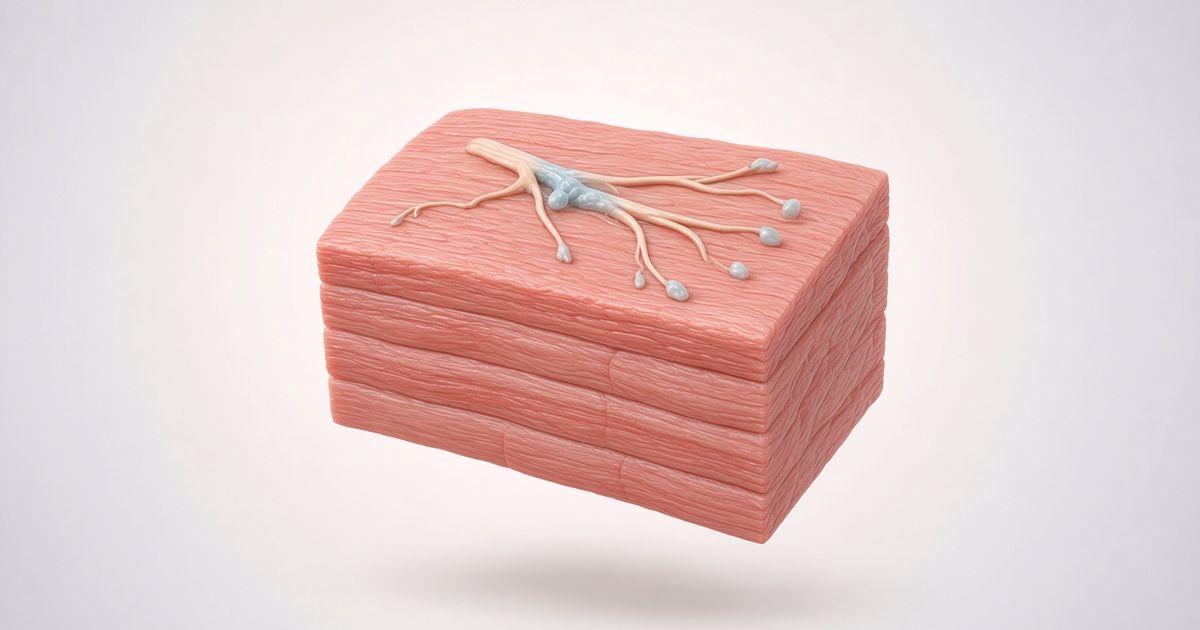
According to the U.S. National Institute of Neurological Disorders and Stroke (NINDS), MG is a chronic autoimmune disease of the junction where nerves meet the muscles they control. Normally, a nerve releases a chemical messenger called acetylcholine, which binds to receptors on the muscle and makes it contract. In MG, antibodies block, alter or destroy those receptors (or, less often, a related protein called MuSK), so muscles weaken with use and recover with rest. Some people have neither antibody (“seronegative” MG).
MG can affect only the eye muscles (ptosis and double vision) or become generalized, involving the face, throat, neck, limbs and breathing muscles. The thymus gland is often involved, and some people develop a thymus tumor called a thymoma. NINDS notes that about 15 to 20% of people with MG have at least one myasthenic crisis, when breathing muscles weaken so much that a ventilator is needed. Infection, stress, surgery and certain medicines can trigger one.
What Standard Care Can Do
There’s no cure for MG, but NINDS notes that most people with MG have a normal life expectancy, and treatment has changed a great deal in the past decade. Options include:
- Pyridostigmine (Mestinon): improves nerve-to-muscle signaling and strength
- Immunosuppressants: prednisone, azathioprine, mycophenolate and tacrolimus, which reduce antibody production but need careful monitoring
- Thymectomy: surgery to remove the thymus, which reduced weakness and the need for immunosuppressive drugs in a NINDS-funded trial
- Plasma exchange and IVIG: used for severe flares and crises; effects usually last weeks to months
- Newer targeted drugs: a 2025 review in the Journal of Neurology (Binks and colleagues, Oxford) describes B-cell depletion, complement inhibitors and FcRn blockers (medicines that lower harmful antibodies) as “transformative developments” that offer prospects of sustained remission for many people
Don’t stop or change your MG medicines on your own. Stopping pyridostigmine, steroids or an immunosuppressant suddenly can trigger a serious flare or crisis. Any change should be planned with your neurologist.
How MSCs Are Thought to Work in MG
MSCs are best understood as signaling cells. In laboratory and animal studies, they release proteins that may calm inflammation, slow the growth of overactive immune cells and, in some MG models, lower the antibodies that attack the nerve-muscle junction. They don’t permanently “reprogram” the immune system, and there’s no evidence in people that they repair the nerve-muscle junction. Our guide to what stem cells are covers the basics, and our autoimmune overview explains immune modulation in more detail.
What the Research Shows
Laboratory and animal studies
- Mice and rats: in a standard MG model, IV human bone marrow MSCs improved muscle weakness and lowered antibody levels in mice (Yu and colleagues, Scandinavian Journal of Immunology, 2010). Umbilical cord MSCs have been tested in rats, and dental MSCs reduced weakness in mice with the MuSK form of MG (Ulusoy and colleagues, Journal of Neuroinflammation, 2015).
- A “humanized” mouse model: a French team grafted thymus tissue from MG patients into mice (Sudres and colleagues, JCI Insight, 2017). MSCs that had been specially “preconditioned” in the lab improved MG-like symptoms and lowered antibodies; ordinary resting MSCs had a smaller effect. The same group reported similar findings with another conditioning method in 2025 (Bayer and colleagues, Stem Cell Research & Therapy).
- A caution from the lab: an Israeli and French study found that T cells from people with MG and MS were less responsive to MSC suppression than T cells from healthy people (Ben-Ami and colleagues, Autoimmunity Reviews, 2014).
Animal results often don’t carry over to people. A 2025 review (Zhang and colleagues, Frontiers in Cell and Developmental Biology) noted that MSC therapies have generally worked less well in clinical studies than in the lab.
Human evidence
We found only individual case reports:
- Philippines, 2022: a woman with MG caused by a malignant thymoma received four IV umbilical cord MSC doses to treat a COVID-19 cytokine storm (Olano and colleagues, Neuroimmunology Reports). She came off the ventilator, but later had a myasthenic crisis that needed IVIG. The MSCs were given for COVID, not to treat MG.
- Israel, 2014: a single patient with MG plus a motor-neuron condition was treated with a modified bone-marrow MSC product (Petrou and colleagues, Muscle & Nerve). That product is very different from the cells we use.
What’s missing
We found no published clinical trial of MSCs for myasthenia gravis, and no registered MSC trial for MG on ClinicalTrials.gov (searched November 2026). No stem cell product is approved by the U.S. FDA for MG. A 2022 review of stem cell treatments for neuroimmune diseases (Konen and colleagues, Cells) concluded that, outside multiple sclerosis, the evidence is mainly case reports.
“Stem cell transplant” is a different treatment
When you read that stem cells put MG into remission, the study almost always used autologous hematopoietic stem cell transplantation (HSCT). In HSCT, a hospital collects your own blood-forming stem cells, wipes out much of your immune system with high-dose chemotherapy, then gives your cells back so the immune system rebuilds. It’s not an MSC infusion.
- A Canadian series of 21 people with severe, treatment-resistant MG (Beland and colleagues, Annals of Clinical and Translational Neurology, 2025) found that 16 of 18 evaluable patients reached stable remission or minimal symptoms without treatment. But 2 people died within a year and 100-day transplant-related mortality was 9.5%.
- A smaller Ottawa series of seven patients (Bryant and colleagues, JAMA Neurology, 2016) reported durable remission in all seven, with viral reactivations in three.
Those results can’t be applied to MSC therapy. HSCT is a hospital procedure with serious risks, reserved for very severe MG. Our 300 million MSC IV involves no chemotherapy and doesn’t rebuild the immune system.
Other cell therapies are being studied too. In a 2026 placebo-controlled trial in Nature Medicine (Vu and colleagues), an experimental CAR-T cell therapy (Descartes-08) helped more people than placebo at month 3 (10 of 15 vs 3 of 11). That’s another very different treatment, and it’s available only in trials.
In plain language: MSCs look promising in mice, but no one has yet tested them properly in people with MG. We can’t tell you how likely you are to improve, by how much, or for how long.
How our protocol compares
The animal studies used repeated, weight-based doses, often of specially conditioned cells. Our protocol is a single 300 million cell IV infusion of unconditioned cells. It hasn’t been tested in MG, so we can’t say how it compares. Please weigh that before deciding.
Our Myasthenia Gravis Protocol
Here’s exactly what we offer, as listed on our myasthenia gravis treatment page:
- A 300 million MSC IV infusion, aimed at the immune system throughout the body
- An NAD+ and high-dose vitamin C IV drip after the stem cell IV
- The cells: donor (allogeneic) MSCs from Wharton’s jelly (umbilical cord tissue) and placenta from healthy, live births, expanded in GMP-grade, xeno-free medium in our on-site lab, an ISO 7 cleanroom tested to ISO 14644-1. The clinic holds three COFEPRIS sanitary licenses (regenerative medicine practice, stem cell bank and stem cell collection center). Donors are screened for HIV, hepatitis B and C, syphilis and Chagas disease. Each lot is tested by third-party, COFEPRIS-authorized labs, and you receive a copy of the results for your lot. Cells come out of culture the day before treatment, are never frozen, and are given within 24 hours.
- Price: $11,500 USD, including bloodwork, NAD+ and vitamin C IV, and physician review. Flights and hotels are not included.
See our Certified Stem Cells page, our guide to donor vs your own cells and our cost guide.
Your 4-day stay
- Day 1: Arrive at Puerto Vallarta airport (PVR) and rest at your hotel in or near Bucerias, Nayarit (Puerto Vallarta Area).
- Day 2: Bloodwork, physician review and payment.
- Day 3: Treatment: the stem cell IV followed by the NAD+ and vitamin C drip.
- Day 4: Fly home.
After you return home, we follow up remotely at 3, 6 and 12 months. Because MG naturally fluctuates, ask your neurologist to record a baseline before you travel: a standard score such as MG-ADL or QMG, your antibody level, your current doses, and how many flares or rescue treatments you’ve needed in the past year. Repeat them at 3, 6 and 12 months so any change is measured, not remembered. Results vary, and many people may notice little or no change. See our travel guide, hotel options and what the whole journey looks like.
Who May Be a Candidate
Every case is reviewed individually by our physicians. You may be a reasonable candidate to discuss MSC therapy with us if you:
- Have MG confirmed by a neurologist (antibody test or nerve studies), and can share your treatment history, current medicines and recent bloodwork
- Have stable MG, with no crisis, hospital stay or rescue treatment (IVIG or plasma exchange) in recent months
- Have a neurologist at home who will keep managing your care
- Are well enough to fly and stay about four days, with your neurologist’s agreement
- Understand that there are no human trials, results vary and improvement isn’t guaranteed
Our physicians may advise against treatment, or advise waiting, if you have:
- Cancer within the past five years (we don’t treat these patients), which may include a malignant thymoma
- Trouble breathing or swallowing, or a recent crisis or rapidly worsening weakness: these need urgent care at home, not travel
- An active infection or another serious health problem that isn’t under control
- Pregnancy, or plans to become pregnant soon
About your medicines: Don’t stop, skip or change pyridostigmine, steroids, immunosuppressants or any targeted MG drug because you’re considering or have had stem cell therapy. Bring your full medicine list and any “medicines to avoid in MG” card your neurologist has given you, because some common medicines can worsen MG. Ask your neurologist how to time doses around travel and treatment.
Risks and Side Effects
MSC infusions have generally been well tolerated in clinical trials. A 2020 analysis of 55 randomized trials (2,696 patients) in eClinicalMedicine (Thompson and colleagues) found IV MSCs were linked to more short-term fever than controls, but not to more infections, blood clots, deaths or cancers. Those trials weren’t in MG, and long-term data are limited. According to our myasthenia gravis treatment page:
- Fever or headache: about 1 in 100 people have a slight fever and/or headache for a few hours after treatment or the next day.
- IV risks: any IV carries a small risk of infection and, rarely, of releasing a clot from the veins, especially in people with high cholesterol. This is one reason we do bloodwork first.
- No response: many people may notice little or no change.
MG adds its own considerations. Travel, stress and infection can all trigger MG flares, and many people with MG take medicines that lower their defenses against infection. Plan with your neurologist before you go.
Seek emergency care right away for trouble breathing or swallowing, a weak cough, chest pain, a high fever, or sudden, spreading weakness. Don’t wait for a clinic appointment.
The biggest risk is stopping a treatment that’s working in the hope that stem cells will be enough. Please don’t. Our safety and side effects guide has more detail.
Questions to Ask Any Clinic
Wherever you go, ask which human studies support the protocol in MG, whether the studies the clinic quotes used MSCs or HSCT, how improvement will be measured, and how the clinic will work with your neurologist. Be cautious of any clinic that promises remission, a “one-time” fix or that you’ll come off your medicines. See our guide to choosing a stem cell clinic and our autoimmune treatment overview.
Frequently Asked Questions
Can stem cells cure myasthenia gravis?
No. There’s no cure for MG, and no clinical trial has shown that MSCs reverse it. Results vary.
I read that stem cell transplants put MG into remission. Is this the same?
No. Those studies used HSCT, which involves high-dose chemotherapy in a hospital and carries a real risk of death. Our MSC infusion is a different, far less intensive treatment, and it hasn’t been tested in MG trials.
Will I be able to stop Mestinon or prednisone?
There’s no evidence that MSCs let people with MG stop their medicines. Never stop or lower a medicine on your own; any change should come from your neurologist.
Is it better than the newer MG drugs?
No study has compared them. Complement inhibitors, FcRn blockers and B-cell therapies have been tested in large trials in MG. MSCs have not.
Does it matter if I have AChR, MuSK or seronegative MG?
We don’t know. MSCs helped mice with both the AChR and MuSK forms of MG, but there’s no human data for any type.
Will insurance cover it?
Generally not. Many insurers classify it as experimental. See our guide to stem cell therapy costs in Mexico.
Thinking About Your Options?
If your MG is stable but you’re still looking for more, and you’d like to explore MSC therapy alongside your neurology care, a free consultation is a good place to start. It’s a conversation, not a commitment. A physician will review your history and medicines, explain what the research does and doesn’t show, and tell you honestly whether this may make sense for you.
Schedule your free consultation, call (888) 704-3977, WhatsApp +52 322 232 1055, or email info@dreambodyclinic.net.
Disclaimer: This article is for educational purposes and is not medical advice. Results vary. There are no published clinical trials of MSCs in people with MG; the evidence comes from animal studies and individual case reports. Results vary, and some patients see little or no benefit.
These treatments have not been approved by the U.S. Food and Drug Administration (FDA). Dream Body Clinic’s regenerative medicine treatments are provided under COFEPRIS licensing (license 23-TR-18-020-0001). COFEPRIS is Mexico’s equivalent of the FDA, and Mexico is where we operate.
Stem cell therapy offers no guarantees and does not replace your neurologist’s care or proven MG treatments. Do not stop or change any medication, including pyridostigmine, steroids or immunosuppressants, without talking to the doctor who prescribed it. If you have trouble breathing or swallowing, seek emergency care. Treatment eligibility is decided only after a review of your medical history. Dream Body Clinic is located in Bucerias, Nayarit (Puerto Vallarta Area), Mexico, and operates under three COFEPRIS sanitary licenses; COFEPRIS is Mexico’s health regulator.