The first months after a stroke often bring steady progress: a hand that starts to grip, more steps in therapy, words coming back. Then the gains slow down. Whether you’re the one living with weakness on one side or the family member helping every day, you may be wondering whether anything else might help. This guide covers what happens in the brain after a stroke, what the research on mesenchymal stem cells (MSCs) shows, what our protocol involves and costs, and who may be a candidate.
We’ll be straightforward: MSC therapy for stroke recovery is investigational. Some small studies reported encouraging signals, several larger trials found no benefit, and nothing here replaces your neurologist, your rehabilitation team or the medicines that help prevent another stroke.
If you or someone near you shows signs of a stroke now (face drooping, arm weakness, slurred speech), call emergency services immediately. Clot-busting medicine and clot removal work only within hours. Stem cell therapy has no role in emergency stroke care.
What Happens in the Brain After a Stroke
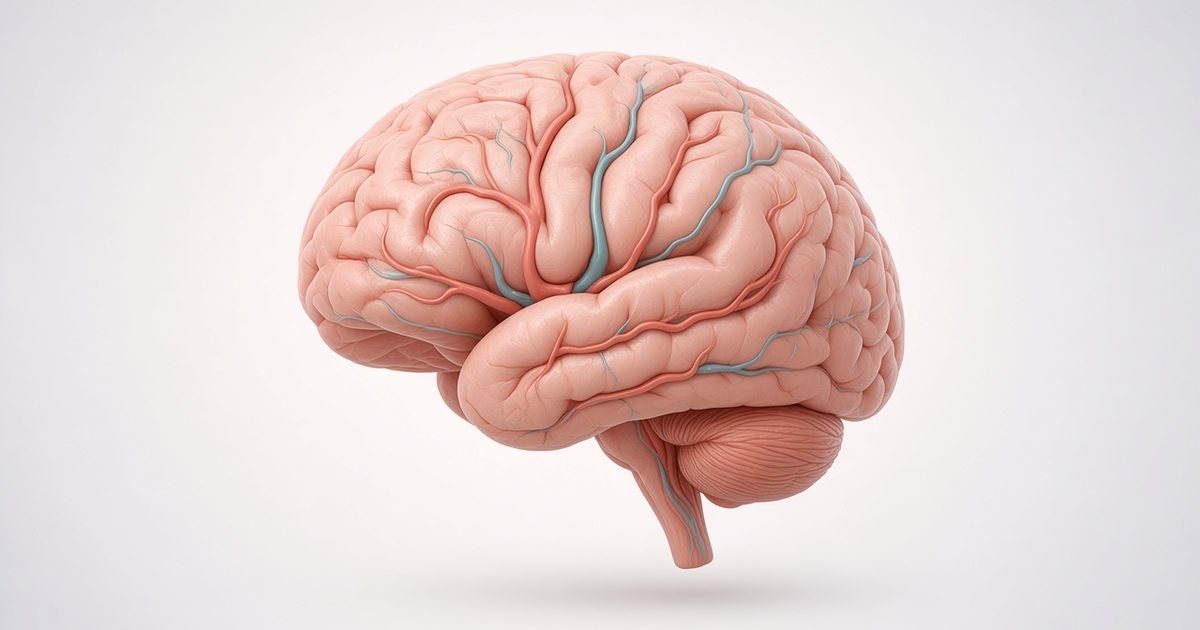
About 85% of strokes are ischemic: a clot blocks blood flow and part of the brain is starved of oxygen. The rest are hemorrhagic, caused by bleeding. Brain cells in the core of the injury die within hours. Around them, inflammation can continue for weeks.
Recovery comes mostly from neuroplasticity: healthy parts of the brain gradually take over some of the work. That’s why rehabilitation matters so much. Most natural recovery happens in the first three to six months, then continues more slowly. Almost all stem cell trials in stroke enrolled people with ischemic stroke; there’s very little human evidence for hemorrhagic stroke.
What Standard Care Can Do
Depending on your situation, your doctors may use:
- Rehabilitation: physical, occupational and speech therapy, ideally continued at home long after discharge
- Medicines to prevent another stroke: antiplatelets such as aspirin or clopidogrel, anticoagulants for atrial fibrillation, statins and blood pressure control
- Treating spasticity and mood: for example botulinum toxin for tight muscles, and treatment for post-stroke depression
These treatments are backed by large trials. Stem cell therapy is not a replacement for any of them.
How MSCs Are Thought to Work After a Stroke
MSCs are best understood as signaling cells. In laboratory and animal studies, they release proteins that may calm inflammation, protect stressed nerve cells and encourage blood vessel growth. They don’t become new brain cells in meaningful numbers, and they don’t replace tissue that has already been lost. The hope is that they create conditions that support the brain’s own recovery, alongside rehabilitation. Our guide to what stem cells are covers the basics.
What the Research Shows
Most trials have been small and used different cell types, doses, timing and outcome measures.
Trials in chronic stroke (months to years later, closest to most of our patients)
- Levy et al., Stroke, 2019 (36 patients): Adults an average of four years after an ischemic stroke received one IV infusion of donor bone marrow MSCs (up to 1.5 million cells per kilogram of body weight). No serious adverse events were linked to treatment. Over 12 months, the share of patients with near-independent daily function rose from 11% to 36%. There was no control group, so it’s not possible to say how much of this was due to the cells.
- Vinmec trial, Stem Cells Translational Medicine, 2025 (32 patients plus 16 matched controls): Adults with lasting deficits after ischemic stroke received two infusions of donor umbilical cord MSCs, three months apart, either by IV or intrathecally (into the spinal fluid), plus rehabilitation. Both groups improved more than controls who had rehabilitation alone, with larger gains in the IV group at 6 months. The intrathecal group had more procedure-related pain and headaches. The control group wasn’t randomized, and the authors called for larger trials.
Trials soon after a stroke (days to weeks)
- TREASURE (Houkin et al., JAMA Neurology, 2024; 206 patients): A placebo-controlled trial in Japan gave donor bone marrow cells by IV 18 to 36 hours after stroke. It was safe, but excellent outcomes at 90 days were no different from placebo (11.5% vs 9.8%), and no secondary goal improved. An earlier trial of the same product, MASTERS (Hess et al., Lancet Neurology, 2017; 126 patients), also missed its main goal. A follow-up trial, MASTERS-2, was stopped by the sponsor without final results.
- STARTING-2 (Chung et al., Neurology, 2021; 54 patients): Patients’ own MSCs given by IV a few weeks after a severe stroke didn’t improve overall disability at 3 months compared with standard care. Leg movement improved in a secondary analysis.
What the reviews say
A 2019 Cochrane review of seven randomized trials (401 patients) found stem cells were associated with slightly less neurological impairment, about 1.5 points on a 42-point stroke scale, but not with better independence or daily function. The evidence was rated low to very low certainty, and the most positive studies were the smallest. A 2024 meta-analysis focused on MSCs (Shen et al., Stem Cells Translational Medicine; 30 studies, 1,217 patients) reported small improvements in impairment and disability scores and fewer deaths, with fever and headache the most common side effects. But it mixed randomized and non-randomized studies.
In plain language: MSC treatments have generally been well tolerated in stroke trials, and some small studies reported modest gains. But the largest placebo-controlled trials found no clear benefit, and no trial has shown that MSCs restore lost function or replace rehabilitation. No stem cell therapy is approved by the U.S. FDA for stroke.
How our protocol compares
Most trials gave cells by IV. The only randomized comparison of intrathecal delivery used two doses of about 1.5 million cells per kilogram (roughly 100 million cells per dose for most adults), three months apart. Ours is a single intrathecal injection of 50 million cells from Wharton’s jelly (umbilical cord tissue) and placenta. No published trial has tested our exact dose, route and cell source in stroke. You should know that before deciding.
Our Stroke Protocol
Here’s exactly what we offer, as listed on our stroke treatment page:
- 50 million MSCs by intrathecal injection into the spinal fluid, performed by our anesthesiologist with a very fine needle.
- The cells: donor (allogeneic) cells from Wharton’s jelly and placenta from healthy, live births, expanded in GMP-grade, xeno-free medium in our on-site lab, an ISO 7 cleanroom tested to ISO 14644-1. The lab holds three COFEPRIS sanitary licenses. Each lot is tested by third-party, COFEPRIS-authorized labs, and you receive a copy of the results for your lot. Cells come out of culture the day before treatment and are given within 24 hours.
- Price: $3,500 USD. Flights and hotels are not included.
See our Certified Stem Cells page and our guide to how our cells are made. For more on intrathecal injections, see our multiple sclerosis guide.
Your 5-day stay
- Day 1: Arrive at Puerto Vallarta airport (PVR) and rest at your hotel in or near Bucerias, Nayarit (Puerto Vallarta Area).
- Day 2: Bloodwork and physician review. Payment is completed, and your cells are taken out of culture.
- Day 3: Intrathecal treatment.
- Day 4: Rest.
- Day 5: Fly home.
After you return home, we follow up remotely at 3, 6 and 12 months. Many patients report changes over 3 to 6 months, but results vary and some see little or no benefit. Because stroke recovery continues naturally and depends heavily on therapy, ask your therapist to record your baseline before you travel (walking distance, grip, speech, daily tasks) so any change can be measured rather than guessed. See our travel guide and hotel options.
Who May Be a Candidate
Every case is reviewed individually by our physicians. You may be a reasonable candidate to discuss MSC therapy with us if you:
- Have had an ischemic stroke confirmed by brain imaging, and can share your MRI or CT reports, discharge summary and medication list
- Are medically stable, with no recent new stroke, mini-stroke or hospital stay
- Have a neurologist or primary doctor at home who will keep managing your care, and a rehabilitation plan you’ll continue
- Are cleared to fly and to stay about five days, with a companion if you need help with mobility
- Understand that results vary and improvement isn’t guaranteed
Our physicians may advise against treatment, or advise waiting, if you have:
- A blood thinner you can’t safely pause (see below)
- Cancer within the past five years (we don’t treat these patients)
- Uncontrolled seizures, very high blood pressure, an active infection or a recent bleed in the brain
About your medicines, especially blood thinners: The intrathecal injection can’t be done while you’re taking blood thinners, because your blood needs to clot normally after the needle enters the spinal fluid sac. Our anesthesiologist’s guidance involves pausing most blood thinners for a period before and after treatment, and aspirin for a shorter period. After a stroke, these medicines are often what’s protecting you from another one. Never stop, skip or change a blood thinner or any other medicine on your own. Only the doctor who prescribed it can decide whether a pause is safe for you. If it isn’t, intrathecal treatment isn’t right for you, and we’ll tell you so.
Risks and Side Effects
MSC treatments have generally been well tolerated in stroke trials, but long-term data are limited. According to our stroke treatment page:
- Fever or headache: about 1 in 20 patients have a mild fever and/or headache for a few hours after treatment or the next day.
- Lower back pain near the injection site, which can spread along the spine, in about 1 in 10 patients, usually lasting a few hours to a few days.
- A migraine-like headache, sometimes with nausea, in about 1 in 10 patients, usually lasting a few hours to a few days.
- Procedure risks: any spinal injection carries a small risk of infection, bleeding or a lasting spinal headache.
- Travel: long trips raise the risk of blood clots, especially with limited mobility.
Seek urgent care right away if you develop a fever with a stiff neck, a severe headache that doesn’t ease when you lie down, new weakness or numbness, or loss of bladder or bowel control after your injection, or any new stroke symptoms.
The biggest risk is pausing proven care, or stopping rehabilitation, in the hope that stem cells will be enough. Please don’t. Our safety and side effects guide has more detail.
Questions to Ask Any Clinic
Wherever you go, ask which trials (including negative ones) support the protocol, why the dose and route were chosen, how blood thinners are handled, and how the clinic works with your neurologist. See our guide to choosing a stem cell clinic. If you’re researching for a parent, see Helping a Parent Decide.
Frequently Asked Questions
Can stem cells help me walk or talk again? No study has shown that MSCs restore lost function. Some small studies reported modest gains in movement or daily activities, while larger placebo-controlled trials found no difference. Continued rehabilitation remains the most reliable path to improvement.
Is it too late if my stroke was years ago? Some trials, including the 2019 study by Levy and colleagues, enrolled people years after their stroke, but none of these chronic-stroke studies had a proper placebo group. Our physicians review each case individually.
Does it help after a hemorrhagic (bleeding) stroke? There’s very little human research on hemorrhagic stroke. Most trials included only ischemic stroke. Our physicians will review your imaging and history before giving you an honest answer.
Will insurance cover it? Generally not. Many U.S. insurers classify it as experimental. See our guide to stem cell therapy costs in Mexico.
Thinking About Your Options?
If you’re wondering whether MSC therapy is worth exploring alongside your rehabilitation, a free consultation is a good place to start. It’s a conversation, not a commitment. A physician will review your imaging and medicines, explain what the research does and doesn’t show, and tell you honestly whether this may make sense for you.
Schedule your free consultation, call (888) 704-3977, WhatsApp +52 322 232 1055, or email info@dreambodyclinic.net.
Disclaimer: This article is for educational purposes and is not medical advice. Mesenchymal stem cell therapy for stroke recovery is investigational and is not approved by the U.S. FDA. Published human evidence is limited and mixed, results vary, and some patients see little or no benefit. Stem cell therapy offers no guarantees and does not replace emergency stroke care, rehabilitation, medicines that prevent another stroke, or your neurologist’s care. Do not stop or change any medication, including blood thinners, without talking to the doctor who prescribed it. Treatment eligibility is decided only after a review of your medical history. Dream Body Clinic is located in Bucerias, Nayarit (Puerto Vallarta Area), Mexico, and operates under three COFEPRIS sanitary licenses; COFEPRIS is Mexico’s health regulator.