Can Stem Cell Therapy Aid Traumatic Brain Injury Recovery?
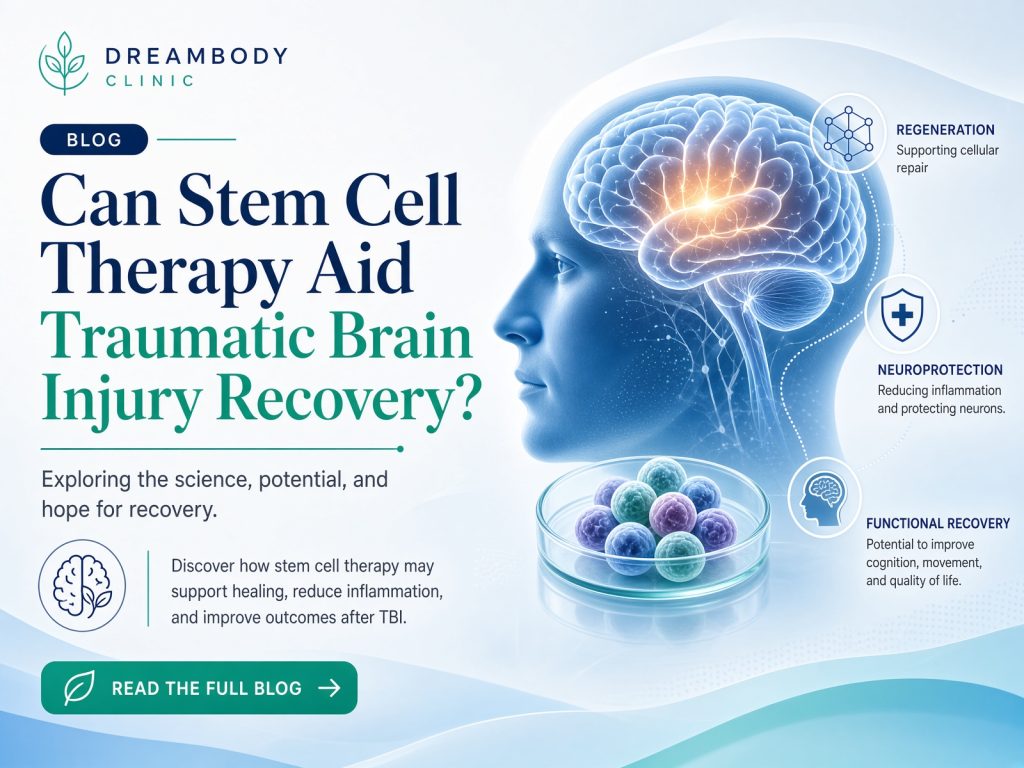
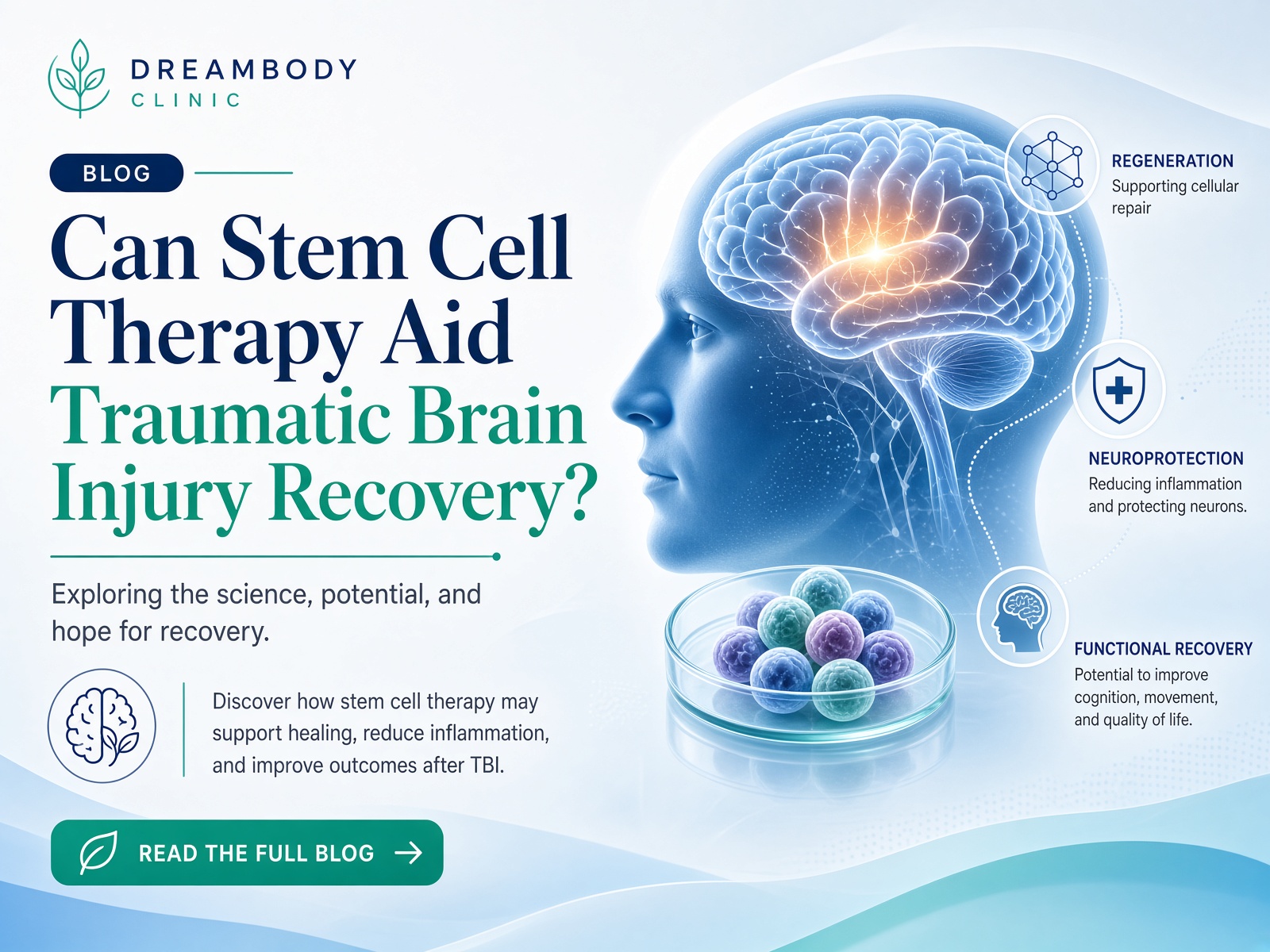
Stem cell therapy may support recovery from traumatic brain injury by promoting neural repair, reducing inflammation, and helping restore lost neurological function. While it is not a guaranteed cure, growing clinical evidence suggests that regenerative therapies, particularly mesenchymal stem cells, can create conditions in the brain that support healing in ways that conventional treatments simply cannot. For patients dealing with the lasting effects of a TBI, this approach offers a path worth exploring.
What Is Traumatic Brain Injury and Why Is Recovery So Challenging?
Traumatic brain injury occurs when a sudden physical trauma disrupts normal brain function. This can result from a car accident, a fall, a sports collision, a blast injury, or any other event that causes the brain to collide with the skull or sustain direct damage. The injury itself is only the beginning. In the hours and days that follow, a secondary wave of damage unfolds inside the brain, driven by neuroinflammation, cell death, and the breakdown of neural connections that took years to build.
What makes TBI recovery especially difficult is the brain’s limited ability to repair itself. Unlike skin or muscle tissue, neurons do not regenerate easily. Once brain cells die, the functions they supported, whether memory, motor control, emotional regulation, or speech, can be permanently impaired. The blood-brain barrier, which protects the brain from harmful substances, also makes it harder for therapeutic agents to reach damaged tissue.
Conventional treatments for TBI focus primarily on managing symptoms and preventing further harm. Medications can reduce swelling and manage mood or cognitive symptoms, while rehabilitation therapies help patients relearn lost skills. These approaches are valuable, but they rarely address the underlying biological damage. They do not rebuild lost neural tissue or reverse the inflammation that continues to affect brain function long after the initial injury. This gap in standard care is precisely where regenerative medicine is generating real interest.
How Does Stem Cell Therapy Work for Brain Injuries?
Stem cell therapy for traumatic brain injury works through several overlapping biological mechanisms rather than a single action. When therapeutic cells are introduced into the body, they do not simply replace dead neurons. Instead, they act more like a repair signal, releasing growth factors, anti-inflammatory molecules, and proteins that change the environment inside the injured brain. This process is often called paracrine signaling, and it is one of the primary ways stem cells appear to support recovery.
The goal is to shift the brain from a state of chronic inflammation and cell loss toward a state of repair and neuroplasticity. Neuroplasticity refers to the brain’s ability to reorganize itself by forming new neural connections, and it is the biological foundation of all TBI recovery. Stem cell therapy may support and accelerate this process by providing the biological signals that the injured brain can no longer generate efficiently on its own.
Patients who receive regenerative therapy often report gradual improvements over weeks to months rather than immediate dramatic change. The process reflects the biology. Healing a brain injury is slow work, and stem cell therapy appears to support that work at a cellular level. At Dream Body Clinic, treatment protocols are designed with this timeline in mind, pairing stem cell infusions with supportive care to give each patient the best possible environment for recovery.
What Types of Stem Cells Are Used in TBI Treatment?
Mesenchymal stem cells, commonly referred to as MSCs, are the most widely studied and clinically used cell type for TBI treatment. They are typically sourced from umbilical cord tissue, bone marrow, or adipose tissue, and they carry a strong safety profile along with well-documented anti-inflammatory properties. MSCs do not appear to trigger significant immune rejection, which makes them suitable for use across different patients without requiring a perfect tissue match.
What makes MSCs particularly relevant for brain injuries is their ability to modulate the immune response. After a TBI, the immune system often remains in an overactivated state, continuing to damage brain tissue even after the original injury has stabilized. MSCs release cytokines and other signaling proteins that can calm this response, reduce ongoing inflammation, and create an environment more favorable to neural repair. Research published in peer-reviewed journals has shown that MSCs can also stimulate the growth of new blood vessels in the brain, improving circulation to areas that have been starved of oxygen and nutrients.
Neural stem cells represent another category used in some TBI protocols. These cells have a more direct relationship with the nervous system and may be capable of differentiating into neuron-like cells under the right conditions. However, MSCs remain the gold standard in current clinical practice due to their wider availability, more established safety record, and the practical benefits they offer in regenerative medicine settings.
How Are Stem Cells Delivered in TBI Therapy?
The method of delivery matters significantly in TBI stem cell treatment, because the brain is a highly compartmentalized organ and not all administration routes reach it with equal effectiveness. The two most commonly used methods are intravenous infusion and intrathecal injection.
Intravenous infusion delivers stem cells directly into the bloodstream, where they circulate throughout the body. Some of these cells migrate toward areas of inflammation, including the injured brain, guided by chemical signals released from damaged tissue. This is a minimally invasive approach, generally well tolerated, and suitable for a wide range of patients. The trade-off is that a smaller proportion of cells may reach the brain compared to more targeted delivery methods.
Intrathecal delivery involves injecting stem cells into the cerebrospinal fluid that surrounds the brain and spinal cord. This route places the cells much closer to the central nervous system and may allow for more direct interaction with injured brain tissue. It is a more technically demanding procedure that requires experienced clinical staff, but it offers a more targeted approach for patients with significant neurological involvement. At Dream Body Clinic, the administration route is selected based on each patient’s specific injury profile, overall health status, and treatment goals.
Learn more about TBI stem cell treatment options at Dream Body Clinic.
What Symptoms and Deficits Can Stem Cell Therapy Target?
Stem cell therapy for traumatic brain injury is not designed to address a single symptom in isolation. Instead, it works at a systemic level, creating conditions that may support improvement across a range of neurological and functional deficits that TBI patients commonly experience.
The symptoms that regenerative therapy may help address include:
- Cognitive impairment, such as difficulty concentrating, processing information, or making decisions
- Memory loss, including both short-term recall and the ability to form new memories
- Motor deficits, such as weakness, balance problems, coordination difficulties, or spasticity
- Mood and behavioral changes, including depression, anxiety, irritability, and emotional dysregulation
- Chronic fatigue, which is one of the most persistent and debilitating effects of TBI
- Headaches and sensory disruptions, including light sensitivity and tinnitus
- Speech and language difficulties, such as word-finding problems or slower verbal processing
- Sleep disturbances, which are closely linked to cognitive and emotional recovery
It is important to set realistic expectations. The degree of improvement a patient experiences depends on several factors, including the severity and location of the original injury, how much time has passed since the injury occurred, the patient’s overall health, and their neurological baseline at the time of treatment. Patients with mild to moderate TBI and those who are earlier in their recovery journey tend to show more notable responses. That said, even patients with long-standing deficits have reported meaningful quality-of-life improvements following regenerative treatment.
Is Stem Cell Therapy for TBI Safe?
Safety is the first question any responsible clinic should answer honestly. The current body of clinical evidence suggests that stem cell therapy, particularly with MSCs, carries a favorable safety profile for most patients when administered by trained professionals in a controlled medical setting. Serious adverse events have been rare in published clinical trials, and MSCs in particular have been studied extensively across neurological and non-neurological conditions with consistent tolerability findings.
That said, not all clinics offering stem cell therapy operate to the same standard. The quality of the cells, the sterility of the preparation process, the experience of the clinical team, and the post-treatment monitoring protocols all affect both safety and outcomes. Choosing a clinic that operates with rigorous safety standards and internationally compliant procedures is not optional. It is essential.
At Dream Body Clinic, patient safety is central to every stage of the treatment process. The clinic follows strict cell sourcing and preparation protocols, ensures that all procedures are performed by experienced medical professionals, and provides comprehensive pre-treatment evaluations to confirm that each patient is a suitable candidate before any therapy begins. International patients benefit from the same level of care and medical oversight as those receiving treatment locally, with clear communication throughout every step of the process.
How Does Combining Stem Cell Therapy with HGH Enhance TBI Recovery?
One of the things that makes Dream Body Clinic’s approach to TBI treatment distinctive is the integration of Human Growth Hormone therapy alongside stem cell treatment for patients who qualify. HGH plays a significant role in tissue repair, cellular regeneration, and neuroplasticity throughout the body, including the brain. When combined with stem cell therapy, it may amplify the regenerative signals that stem cells produce, creating a broader and more sustained recovery environment.
HGH supports the production of insulin-like growth factor 1 (IGF-1), a protein that promotes neuron survival, encourages the formation of new synaptic connections, and supports the overall health of brain tissue. For TBI patients, this additional layer of support can help extend and deepen the recovery benefits that stem cell therapy initiates.
Why Do Some TBI Patients Experience HGH Deficiency?
The pituitary gland, which sits at the base of the brain, is responsible for producing and regulating HGH. Because of its location, the pituitary is particularly vulnerable to damage from traumatic brain injuries, especially those involving forces to the front or base of the skull. Studies estimate that between 15 and 30 percent of TBI patients develop some degree of pituitary dysfunction following their injury, with growth hormone deficiency being one of the most common hormonal consequences.
When HGH levels drop, the effects are wide-reaching. Patients may experience fatigue that does not respond to rest, reduced muscle mass, cognitive fog, mood instability, and slowed recovery from physical challenges. Many of these symptoms overlap with the deficits caused by the brain injury itself, which means HGH deficiency often goes undiagnosed in TBI populations. Addressing this deficiency directly, as part of a comprehensive regenerative treatment plan, can meaningfully improve a patient’s recovery potential and overall quality of life.
What Does the Patient Journey Look Like at Dream Body Clinic?
The treatment experience at Dream Body Clinic is designed to be clear, supportive, and medically thorough from start to finish. Every patient begins with an initial consultation, which can be conducted remotely to accommodate international patients before they travel. During this stage, the clinical team reviews medical history, previous imaging, and neurological assessments to begin building a picture of the patient’s current condition and goals.
Once a patient is confirmed as a candidate, a personalized treatment plan is created. This plan outlines the type and dose of stem cells to be used, the delivery method, any complementary therapies such as HGH, and the overall treatment schedule. Patients typically arrive in Puerto Vallarta for a stay of several days, during which treatment sessions are administered in a clinical setting with full medical oversight.
Following treatment, post-care follow-up is an integral part of the process. The Dream Body Clinic team stays in contact with patients to monitor progress, answer questions, and adjust recommendations as needed. Recovery from a brain injury is a long-term process, and the clinic’s commitment does not end when the patient leaves Puerto Vallarta.
Why Do International Patients Choose Puerto Vallarta for TBI Treatment?
Puerto Vallarta has become a recognized destination for medical tourism, and Dream Body Clinic’s location there offers real advantages for patients traveling from the United States, Canada, and other countries. The cost of stem cell therapy in Mexico is significantly lower than in North American clinics, often by 50 to 70 percent, without any reduction in clinical quality or safety standards.
Beyond cost, the city itself supports recovery. Puerto Vallarta’s calm coastal environment, warm climate, and welcoming atmosphere create a setting that feels more like a retreat than a medical trip. International patients also benefit from easy flight access, with direct routes available from major cities across North America. The Dream Body Clinic team assists with logistics, accommodations, and local coordination, ensuring that the entire experience is as smooth and comfortable as possible for patients who are already managing the demands of a neurological condition.
Find out more about stem cell treatment for TBI at Dream Body Clinic.
What Does the Research Say About Stem Cells and Brain Repair?
The scientific evidence supporting stem cell therapy for TBI has been growing steadily over the past decade. Preclinical studies in animal models have consistently demonstrated that MSC-based therapies can reduce lesion volume, decrease neuroinflammation, and support behavioral recovery after brain injury. These findings have provided a strong biological foundation for advancing to human clinical trials.
In human studies, early-phase clinical trials have reported improvements in neurological function, cognitive performance, and quality of life in TBI patients treated with stem cells. A 2021 study published in Stem Cells Translational Medicine found that intravenous MSC administration was safe and associated with functional improvements in patients with moderate to severe TBI. Multiple ongoing trials registered on ClinicalTrials.gov continue to investigate optimal cell doses, timing, and delivery methods to refine the approach further.
The medical community is clear that more large-scale, randomized controlled trials are needed before stem cell therapy becomes a standard-of-care recommendation for TBI. What the current evidence does support is that regenerative approaches are biologically plausible, clinically safe in controlled settings, and capable of producing real benefits for selected patients. The founders of Dream Body Clinic have documented much of this evolving science in their book, The Ultimate Guide to Stem Cell Therapy, which provides an accessible and thorough overview of how regenerative medicine is changing outcomes for neurological and other conditions.
How Does Stem Cell Therapy Compare to Conventional TBI Rehabilitation?
Conventional TBI rehabilitation typically includes physical therapy, occupational therapy, speech and language therapy, neuropsychological counseling, and medication for mood or cognitive symptoms. These methods are well established, widely available, and genuinely helpful. They form the backbone of TBI recovery programs worldwide and should remain part of any comprehensive treatment plan.
Where conventional rehabilitation focuses on teaching the brain to work around its damage, stem cell therapy takes a different approach by attempting to address the underlying biology of that damage. Rather than compensating for lost function, regenerative therapy aims to reduce the inflammatory environment that sustains ongoing cell damage, support the formation of new neural connections, and improve the overall health of brain tissue. These goals are complementary, not competing.
Patients who combine conventional rehabilitation with stem cell therapy may see stronger outcomes than those who pursue either approach alone. The neuroplasticity that rehabilitation exercises depend on may be supported and enhanced when the biological environment of the brain is healthier. This is why Dream Body Clinic integrates stem cell treatment into broader recovery plans rather than presenting it as a standalone replacement for proven rehabilitation practices.
Who Is a Good Candidate for Stem Cell Therapy After a Brain Injury?
Not every TBI patient will be the right fit for stem cell therapy, and responsible candidacy evaluation is an important part of what Dream Body Clinic provides. Several factors influence whether a patient is likely to benefit from regenerative treatment.
Patients who tend to be strong candidates include those with a confirmed TBI diagnosis, whether mild, moderate, or severe, who are experiencing persistent neurological deficits despite conventional treatment. Individuals who are in stable overall health, free of active infections, and without contraindications to cell-based therapies are generally better positioned to tolerate and respond to treatment.
Time since injury is also a relevant factor. Patients treated in the earlier phases of the recovery window, typically within the first one to three years after injury, often show stronger responses. However, patients with chronic TBI effects from injuries that occurred years ago can still be candidates, particularly when inflammation and hormonal factors are assessed and addressed as part of the treatment plan.
The most reliable way to determine candidacy is through a direct evaluation with the clinical team. Dream Body Clinic offers personalized consultations that take into account each patient’s full medical picture, including imaging results, neurological assessments, hormonal panels, and recovery history. To schedule your consultation, call (888) 704-3977 or reach out via WhatsApp at +523222321055.
Frequently Asked Questions
Can stem cell therapy repair brain damage caused by traumatic brain injury?
Stem cell therapy may not fully reverse structural brain damage, but it may support meaningful repair by reducing inflammation, promoting neuroplasticity, and encouraging the brain to form new connections. Many patients experience functional improvements in cognition, movement, and mood following treatment, even when imaging shows existing damage. The degree of repair depends on the severity of the injury and the patient’s overall health at the time of treatment.
How soon after a traumatic brain injury can stem cell therapy be considered?
In most cases, patients should wait until the acute phase of the injury has stabilized before pursuing stem cell therapy. This typically means waiting at least three to six months after the initial injury. However, some protocols may be considered earlier depending on the patient’s specific circumstances. Earlier treatment windows, while the brain is still in an active healing phase, may offer stronger responses. A clinical evaluation is the best way to determine the right timing for each individual.
How many stem cell treatment sessions are typically needed for TBI recovery?
Most TBI patients begin with a single treatment with Dream Body Clinic, typically spanning several days. Some patients benefit from follow-up treatment 6 months later, depending on their initial response and ongoing recovery goals. The total number of sessions is determined individually based on injury severity, patient health, and the treatment protocol selected during the evaluation process. We always hope that our treatments are 1 and done, but some patients need more stem cells in the future.
Does Dream Body Clinic treat international patients with traumatic brain injuries?
Yes. Dream Body Clinic routinely treats patients from the United States, Canada, and other countries seeking TBI stem cell treatment. The clinic offers remote initial consultations so that international patients can begin the evaluation process before traveling. The team also assists with logistics to help make the trip to Puerto Vallarta as manageable as possible for patients dealing with neurological conditions.
Can stem cell therapy improve memory and cognitive function after a TBI?
Cognitive improvement is one of the most commonly reported benefits among TBI patients who undergo stem cell therapy. Memory, concentration, processing speed, and mental clarity are all areas where patients have reported meaningful gains following regenerative treatment. These improvements are thought to reflect reduced neuroinflammation and enhanced neuroplasticity, both of which stem cell therapy is designed to support.
Is stem cell therapy for TBI covered by insurance?
Stem cell therapy for traumatic brain injury is generally not covered by standard health insurance plans in the United States or Canada, as it remains outside the scope of conventional approved treatments in those countries. Patients typically pay for treatment directly. Dream Body Clinic’s pricing is significantly more accessible than equivalent care in North America, which is one reason many international patients choose to travel to Puerto Vallarta for treatment.
How does stem cell therapy for TBI differ from treatment for stroke or Parkinson’s disease?
While stem cell therapy shares common biological mechanisms across neurological conditions, the specific protocols differ based on the nature of the damage involved. TBI is typically characterized by traumatic cell death, neuroinflammation, and diffuse axonal injury, whereas stroke involves ischemic tissue damage and Parkinson’s disease involves the progressive loss of dopamine-producing neurons. The cell types, dosing, delivery routes, and complementary therapies are customized to match the underlying pathology of each condition. Dream Body Clinic evaluates each neurological patient individually to design a protocol that addresses their specific diagnosis and clinical picture.
The Traumatic Brain Injury Stem Cell Treatment
For more information about stem cell therapy for traumatic brain injury, visit the Dream Body Clinic TBI treatment page or contact the clinic directly at (888) 704-3977 or via WhatsApp at +523222321055.