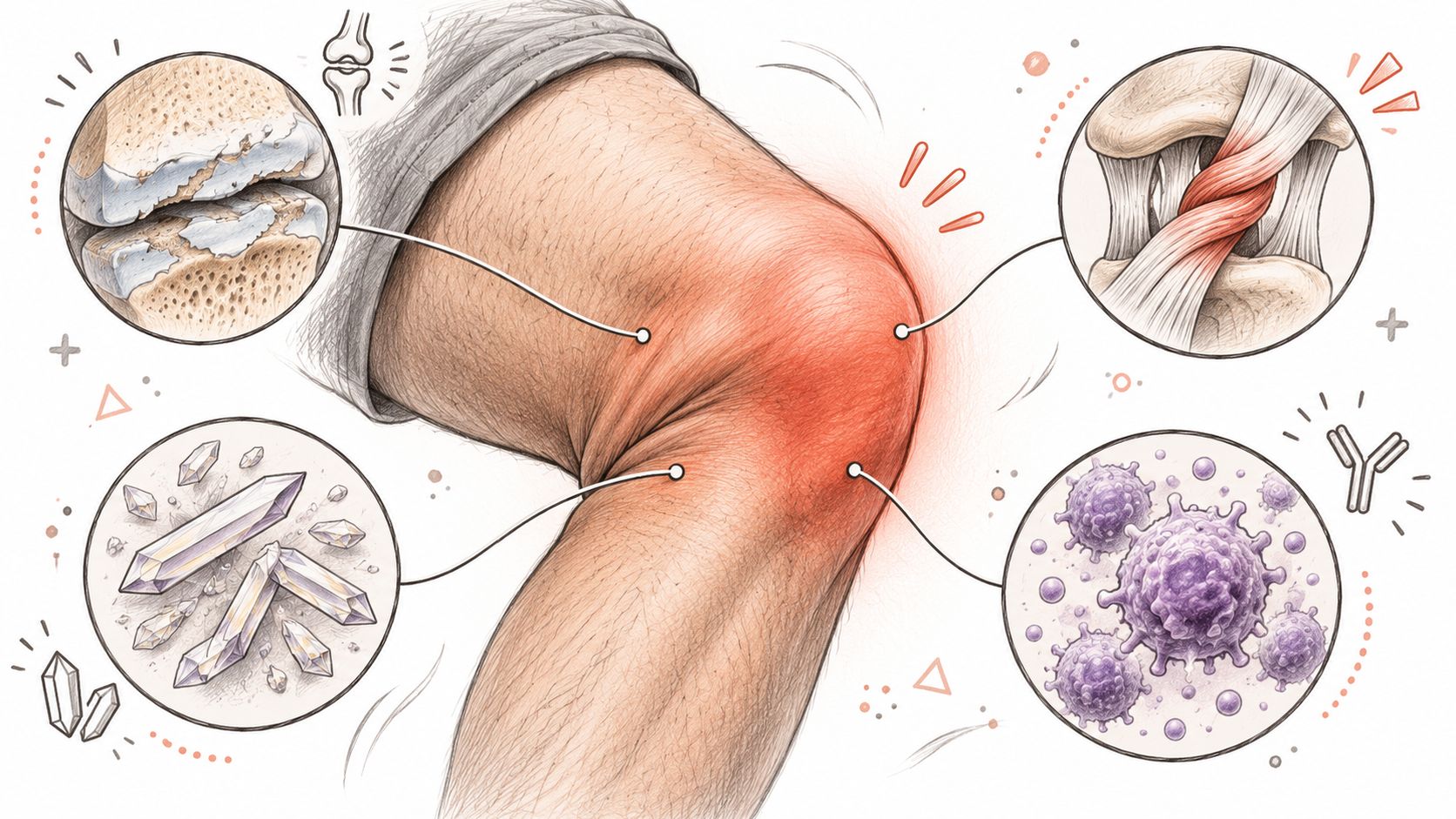
Stairs feel tighter than usual, your knee looks puffy by evening, and ice helps without quite settling it. You might remember a twist, or you might have no clear injury at all. The important question isn't how to reduce the swelling. It's what's causing the knee to react, and how quickly it needs medical attention.
Table of Contents
- Why a Swollen Knee Is Not One Problem
- Common Knee Inflammation Causes at a Glance
- How Osteoarthritis Keeps the Joint Lining Active
- Injury Flares and Body-Wide Inflammatory Disease
- How Clinicians Sort the Cause
- Signs That Need Prompt Medical Care
- Choose the Next Step for Your Knee
Why a Swollen Knee Is Not One Problem
A swollen knee is a finding, not a diagnosis. Fluid can collect inside the joint, but swelling can also come from a small cushioning sac outside it or a cyst behind it. Those differences matter because the right treatment depends on which structure is involved.
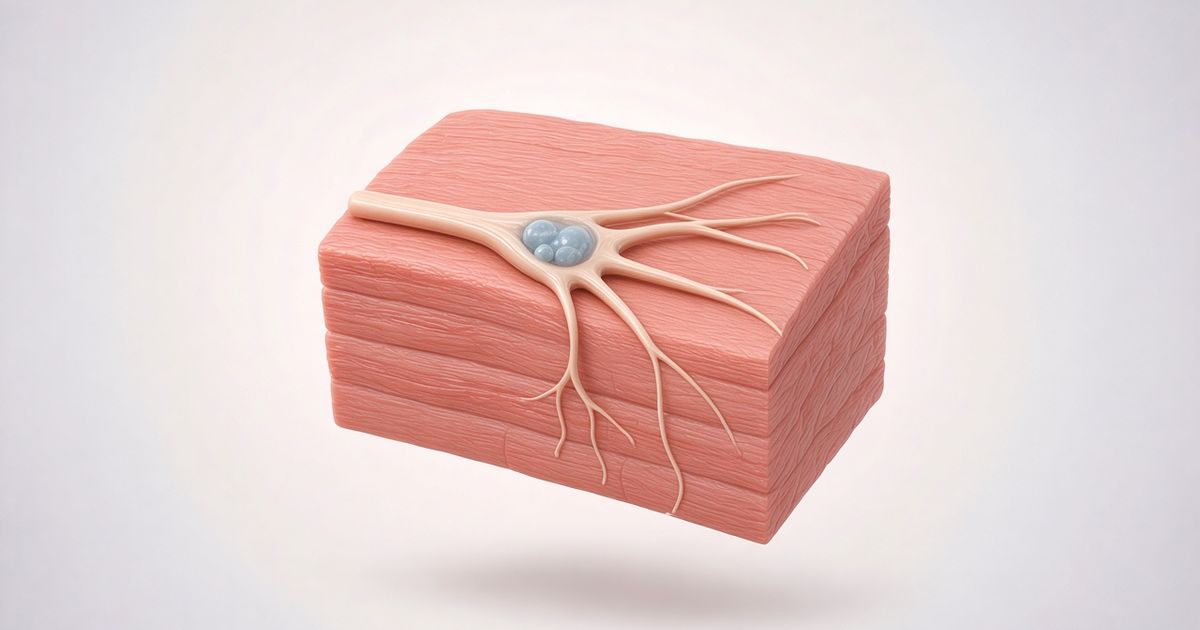
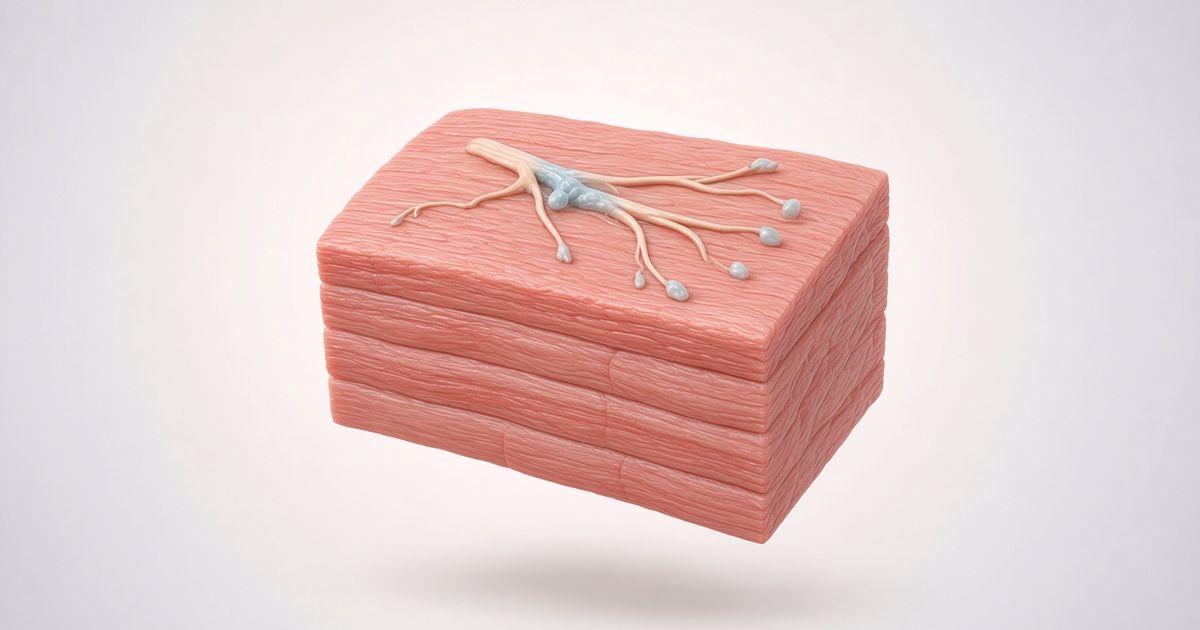
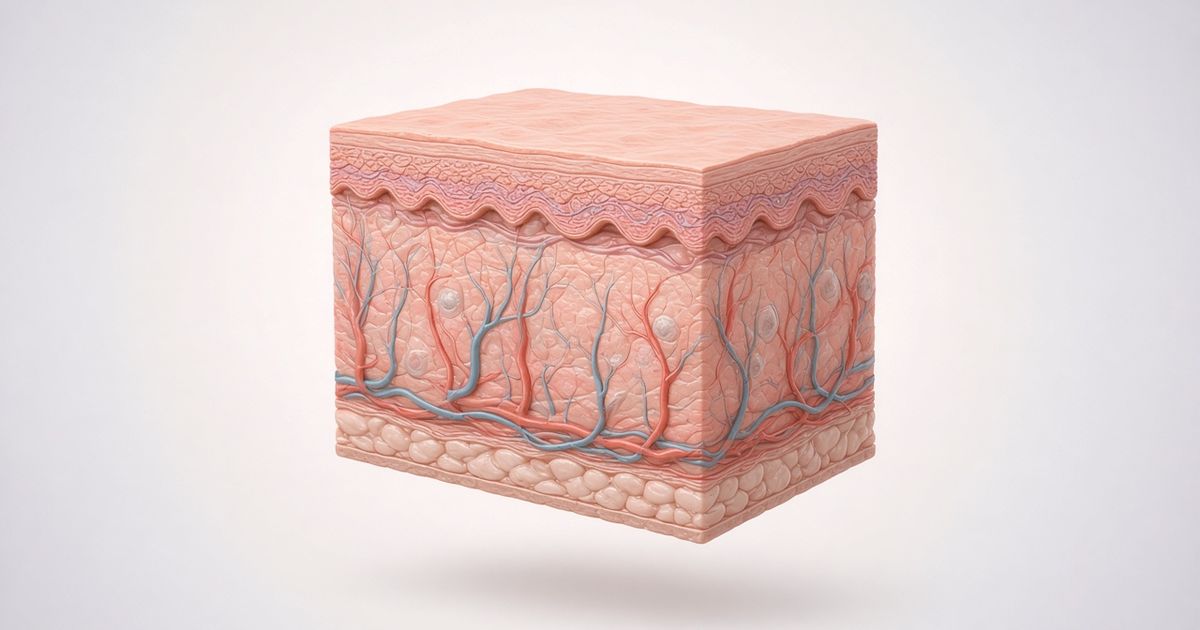
Think of the knee as a hinge with a living lining. That lining, the synovium, helps maintain the fluid that lubricates movement. It can become irritated by damaged joint tissues, crystals, infection, or an immune-system disorder.
Knee osteoarthritis is the most common chronic cause of knee inflammation worldwide. A systematic review published in EClinicalMedicine estimated that it affected 16.0% of people aged 15 and older and 22.9% of adults aged 40 and older globally, approximately 654.1 million people aged 40 and above in 2020. These population estimates explain why osteoarthritis is often considered, but they don't establish the cause of an individual swollen knee.
Your daily pattern matters
Say your knee gradually becomes uncomfortable after long shifts standing, then feels stiff when you get out of a chair. That pattern raises different questions from a knee that becomes hot and swollen overnight. A clinician needs both the symptom pattern and the circumstances around it.
Bring these details into the conversation:
- Work demands: Regular kneeling, lifting, climbing, or prolonged standing.
- Activity changes: A new exercise program, increased training, or an unusually demanding weekend.
- Joint history: Old sprains, surgery, fractures, or repeated instability.
- Overall health: Weight changes, other painful joints, skin disease, or recent illness.
A 2024 UK Biobank analysis posted as a medRxiv preprint, involving 441,757 participants, identified knee pain as influenced by multiple factors, including age, sex, obesity, physical activity, and occupational hazards. Because it was a preprint, its findings warrant more caution than an established clinical guideline.
The practical lesson is straightforward: don't reduce the history to age or body weight. Neither explains why a particular knee suddenly changed. Timing, location, warmth, and symptoms elsewhere help separate common knee inflammation causes from conditions that shouldn't wait.
Common Knee Inflammation Causes at a Glance
Knee inflammation causes, clues, and first checks
| Cause | Typical onset | Clues | First check |
|---|---|---|---|
| Knee osteoarthritis with synovitis | Months, often worse with use | One knee or both, brief morning stiffness, previous injury or higher BMI | Examination plus X-ray; ultrasound or MRI when persistent swelling needs clarification |
| Ligament, meniscus, or cartilage injury | Hours to days after trauma | Swelling, catching, locking, or giving way | Orthopedic examination; MRI when a suspected structural injury would change treatment |
| Rheumatoid, psoriatic, or related arthritis | Fluctuating flares | Several joints or both knees, prolonged morning stiffness, skin or bowel symptoms | Targeted blood tests and rheumatology review; fluid analysis when needed |
| Gout or pseudogout | Sudden attacks over hours | Hot, red knee, recurrent attacks, sometimes a known crystal history | Joint aspiration to identify crystals and investigate infection |
| Prepatellar bursitis | After kneeling or a direct blow | Localized swelling in front of the kneecap | Examination; ultrasound if the location or extent is unclear |
| Baker's cyst | Gradual fullness behind the knee | Posterior tightness, often alongside another joint problem | Ultrasound when confirmation is needed; urgent assessment if the calf swells |
| Septic arthritis | Rapidly worsening over hours | Marked heat, severe pain, swelling, fever, or inability to bear weight | Immediate medical assessment and joint-fluid testing |
Read the pattern, not just one symptom
Start with onset, heat, and joint distribution. A knee that gradually swells after activity fits a different pattern from a sudden red-hot attack. Swelling in several joints, especially with prolonged morning stiffness, makes a body-wide inflammatory condition more relevant.
Location also changes the interpretation. A soft swelling directly over the kneecap after kneeling may involve the prepatellar bursa rather than the main joint cavity. Fullness behind the knee may be a Baker's cyst, but new calf swelling shouldn't be self-diagnosed as a harmless extension of that cyst.
The Dudley Group NHS knee pain pathway distinguishes crystal arthritis, non-crystal inflammatory arthritis, meniscal disease, Baker's cyst, and vascular conditions as separate diagnostic possibilities. It also emphasizes the urgency of a hot, rapidly swollen knee when infection is possible.
Practical rule: Use the pattern to decide what needs checking, not to declare a diagnosis at home.
Pain intensity isn't a reliable gauge of how much synovial inflammation is present. A relatively tolerable knee may still contain fluid or inflamed lining, while intense pain can arise from several different mechanisms. Examination and, when indicated, imaging or fluid testing give information that a pain score can't.
Don't treat the table as a set of exclusive boxes. Someone with osteoarthritis can also develop gout, sustain a meniscus injury, or acquire a joint infection. A familiar diagnosis doesn't automatically explain a new, unusually hot, or rapidly worsening episode.
How Osteoarthritis Keeps the Joint Lining Active
Osteoarthritis isn't a hinge wearing down through use. Mechanical damage matters, but the joint's biological response matters too. Synovitis means inflammation of the joint lining, and it helps explain why an osteoarthritic knee can feel warm, swollen, and persistently irritated.
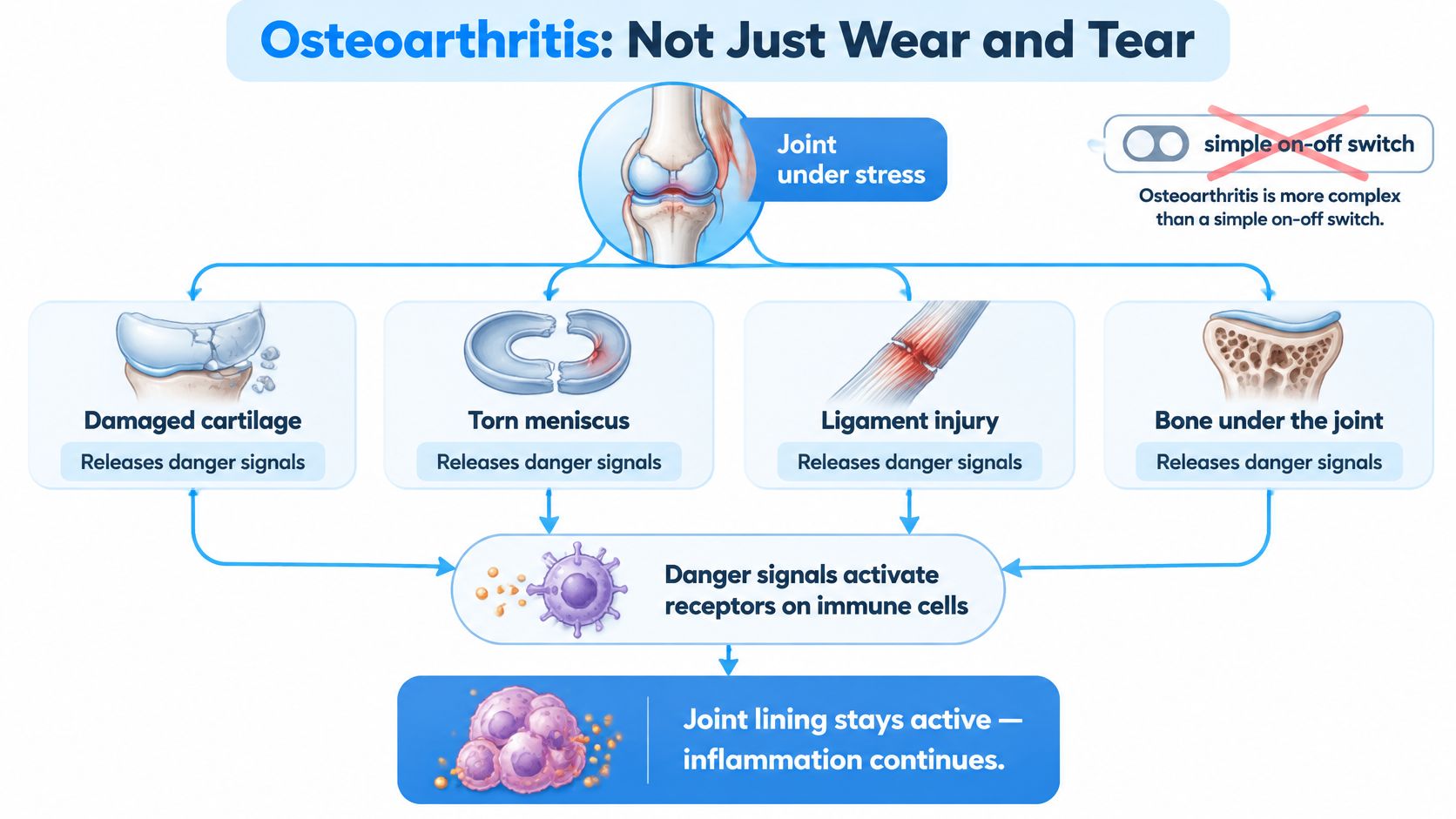
Damaged cartilage, meniscus, ligaments, and bone beneath the cartilage release molecular danger signals. Cells in the joint recognize those signals and increase inflammatory activity. This isn't a simple on-off process.
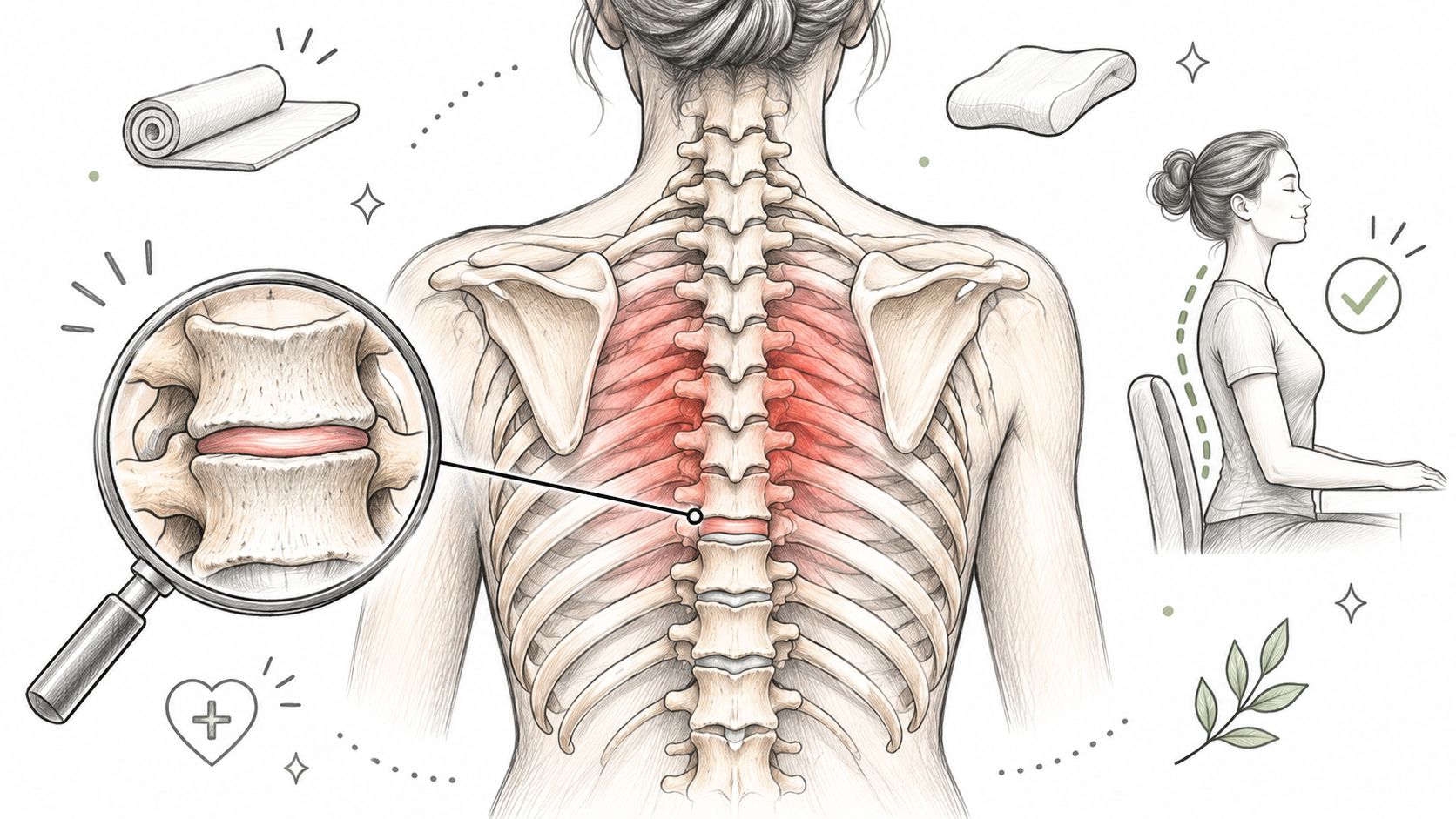
The relationship between tissue stress and continued inflammation is shown below.
Why the reaction can persist
A review of osteoarthritis synovitis describes how danger signals activate receptors on immune cells, joint-lining cells, and cartilage cells. Signaling through a pathway called NF-κB increases inflammatory messengers, including interleukin-1 beta, interleukin-6, and tumor necrosis factor alpha, along with enzymes that break down the joint's supporting matrix.
Think of a smoke alarm that keeps the sprinklers running after the initial spark. In the knee, continued signaling can increase blood-vessel activity, recruit immune cells, and make pain-sensing nerves more sensitive. Meanwhile, tissue breakdown can produce additional danger signals.
- The lining becomes more active: This contributes to warmth, fluid production, and swelling.
- Pain sensitivity increases: Ordinary loading may become harder to tolerate.
- Tissue breakdown continues: Enzymes can damage the matrix that gives cartilage its structure.
This biology explains why an X-ray and symptoms don't always match neatly. X-rays show bone-related changes and indirectly assess cartilage loss, but they don't directly show active synovitis. Ultrasound or MRI may reveal inflamed lining or an effusion, meaning excess fluid within the joint.
Inflammation is a contributor, not the whole diagnosis
Extra body fat and abnormal blood lipids can add low-grade metabolic inflammation to abnormal mechanical loading. That doesn't mean weight explains every painful knee, or that losing weight reverses existing structural damage.
The NCBI Bookshelf overview of osteoarthritis describes inflammation as a contributor to tissue breakdown without making it the sole cause. The distinction is important: reducing inflammation isn't the same as regrowing a normal joint surface.
A guide to knee arthritis stages can help clarify structural severity. Treatment decisions still need to account for swelling, stability, movement, and what the person needs the knee to do.
Injury Flares and Body-Wide Inflammatory Disease
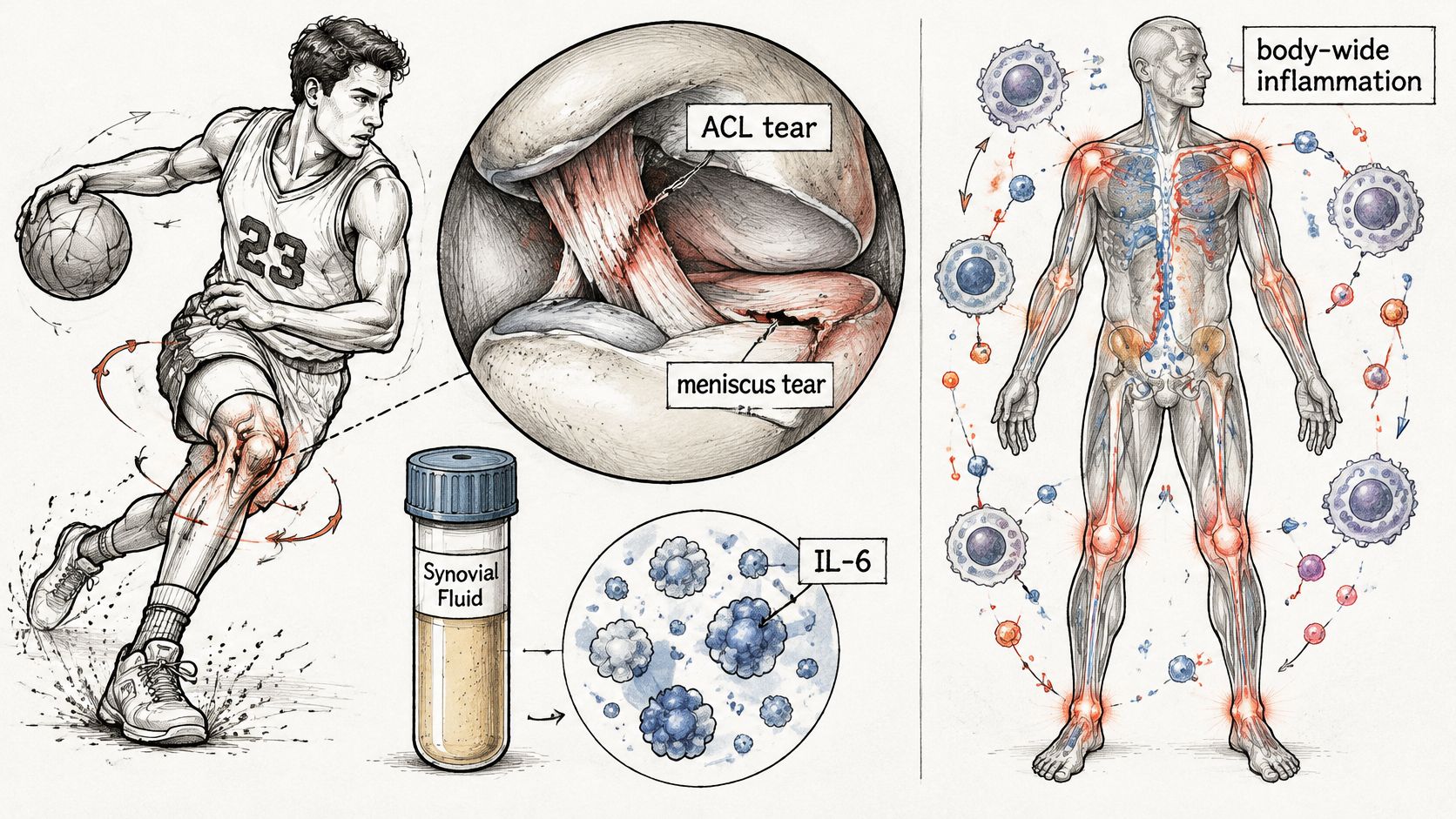
A planted foot and a sudden pivot can leave a knee swollen, unreliable, or catching during a turn. A torn ligament or meniscus changes how the joint bears load and can also stir its lining. A local response to injury and inflammation from a body-wide immune disorder have different causes and call for different evaluations.
When trauma changes the joint environment
An acute knee injury review describes an early rise in inflammatory messengers after trauma. It reports MMP-13 enzyme increases of up to approximately 350-fold in synovium and 1,000-fold in ligament tissue by day 14 after ACL rupture. These are tissue-level findings, not a forecast of how one person's knee will recover.
The enzymes can break down cartilage matrix. Even after the initial response settles, instability or a damaged meniscus can keep shifting load unevenly across the joint. Returning to demanding activity before strength and control recover may repeatedly irritate the knee.
A review of post-traumatic knee osteoarthritis reports that the condition can occur in as high as 40% of injury settings involving collateral ligaments, menisci, cartilage, or subchondral bone. This does not mean every sprain leads to arthritis. Recurrent swelling after an injury deserves attention, especially when the knee also catches or feels unstable.
A complex meniscus tear can help explain the terminology behind a tear. Whether catching reflects painful irritation or a true mechanical block requires an examination.
This video offers additional context for a knee treatment discussion.
When the immune system targets the lining
Warmth and stiffness in both knees, especially alongside stiffness in the hands and no clear injury, suggest a different pattern to investigate. Rheumatoid arthritis, psoriatic arthritis, and juvenile idiopathic arthritis can directly inflame the synovium. A structural injury is assessed through examination and imaging, while a possible systemic inflammatory disorder is investigated through medical history and targeted tests.
Sex is one part of that history, not a diagnosis. A systematic review in the Journal of Orthopaedic Surgery and Research found 1.04-fold higher pooled odds of knee osteoarthritis in females than males among middle-aged and older adults.
The practical distinction is whether care should address mechanics after trauma, investigate inflammation affecting several joints, or do both. The knee's symptoms and the wider pattern help guide that assessment.
How Clinicians Sort the Cause
A useful consultation starts with a timeline, not a request for every available scan. Write down when the swelling began, what happened just beforehand, and whether it disappears completely between episodes. Bring a medication list, including blood thinners and any medicines taken for previous attacks.
Bring a short symptom record
- Timing: Sudden or gradual onset, continuous swelling or separate attacks.
- Distribution: One knee, both knees, or other affected joints.
- Trigger: A twist, fall, kneeling, training change, or no clear event.
- Stiffness: How long it lasts after waking and whether movement helps.
- Associated symptoms: Psoriasis, bowel symptoms, recent infection, fever, or a previous gout diagnosis.
This checklist can help organize the details before your appointment.
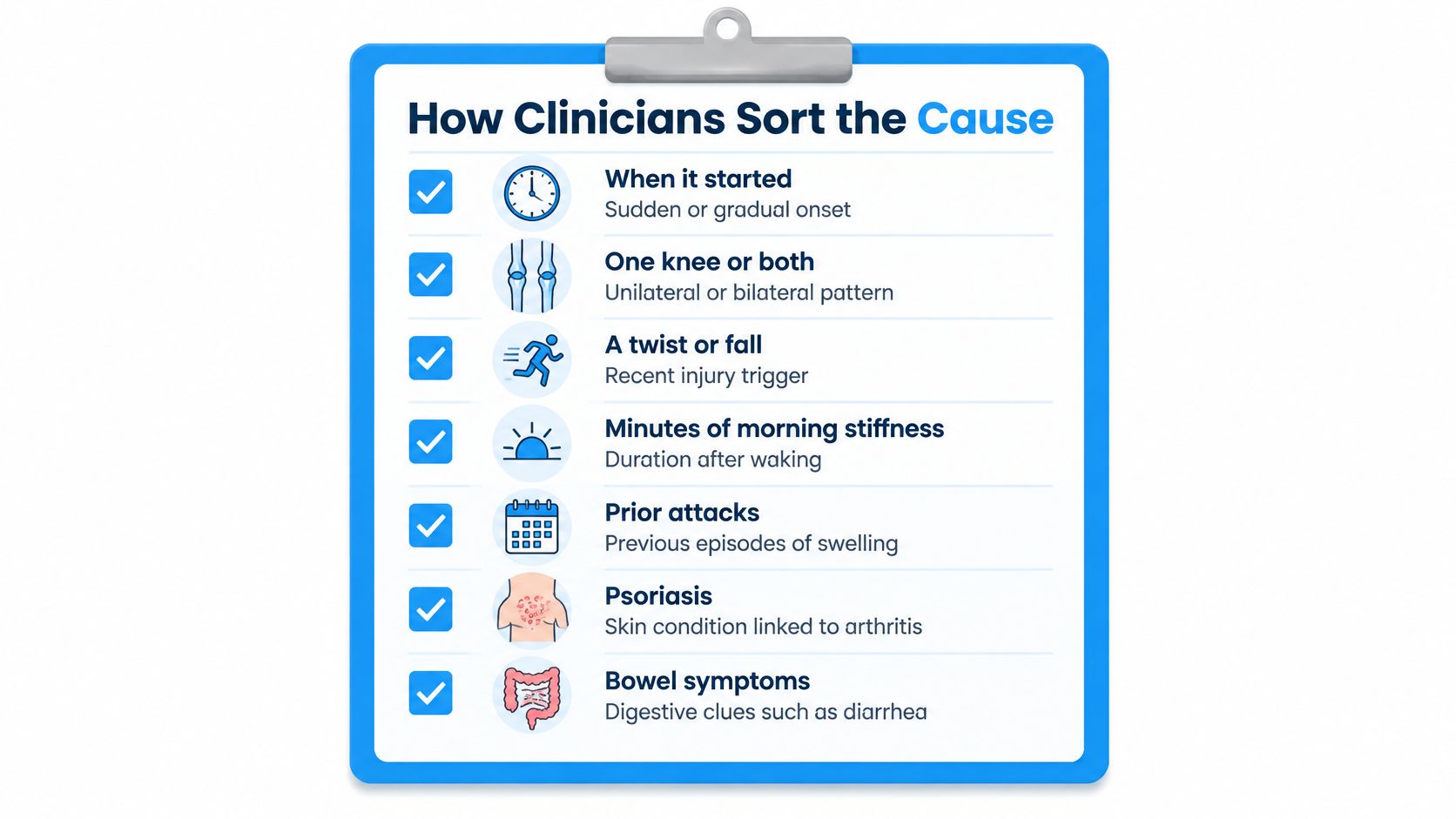
The examination then establishes whether there's fluid inside the joint, a swollen bursa, localized tenderness, instability, or restricted movement. A clinician also checks whether the knee is locked or whether pain makes straightening difficult. Those findings lead to different decisions.
Choose tests that answer a question
X-rays assess joint-space changes, bone spurs, alignment, and some bone injuries. Ultrasound can identify fluid, synovial thickening, bursitis, or a Baker's cyst. MRI is useful when suspected ligament, meniscus, or cartilage damage would alter the plan.
Pain location helps guide this examination but doesn't settle the diagnosis. For example, pain on the outside of the knee can arise from different tissues, so location needs to be interpreted alongside movement and injury history.
Fluid isn't limited to older or sedentary people. A 2025 study in the Orthopaedic Journal of Sports Medicine found effusion-synovitis in 51% of Division I female athlete participants in at least one knee. That finding doesn't diagnose a particular disease, but it shows why fitness alone shouldn't be used to dismiss swelling.
Blood tests are most useful when the history suggests systemic inflammation, infection, or another specific disorder. A broad panel without a clear question can produce misleading abnormalities, and normal blood results don't exclude every joint condition. Emerging molecular biomarkers aren't routine stand-alone diagnostic tests, as discussed in a Nature Reviews Rheumatology review.
Joint aspiration means withdrawing fluid with a sterile needle for testing. When crystals, bacteria, or bleeding are possible, that sample may answer questions a scan can't.
Ask what structure is inflamed and which test result would change the treatment plan.
Signs That Need Prompt Medical Care
A hot, rapidly swollen knee with fever or inability to bear weight is an emergency until infection is excluded.
Seek urgent medical assessment rather than waiting for a routine appointment. Joint infection can damage the knee and affect overall health, and it requires more than symptom relief. The absence of fever doesn't reliably make a very hot, acutely painful knee safe to watch at home.
Get assessed the same day
Rapidly escalating pain, feeling generally ill, or redness spreading beyond the knee needs prompt attention. So does new swelling around a replaced joint or substantial swelling in someone whose immune system is weakened. Tell the treating team about recent surgery, joint injections, wounds, and immune-suppressing medicines.
A knee that won't straighten after an injury also needs urgent assessment, especially if weight bearing is difficult. New calf swelling shouldn't be assumed to be a Baker's cyst, even when you already know you have one. A blood clot or another urgent problem may need to be excluded.
While arranging care:
- Don't drain it yourself: Putting a needle into the knee can introduce infection.
- Don't start leftover antibiotics: They may be inappropriate and can interfere with diagnostic testing.
- Don't use improvement with ice as reassurance: Temporary symptom relief doesn't identify the cause.
- Don't force a locked knee: Avoid twisting or repeatedly trying to push it straight.
Arrange a timely appointment for recurring problems
Repeated giving way, catching that stops activity, or swelling after ordinary walking deserves an appointment even without emergency signs. Prolonged morning stiffness affecting several joints needs assessment for inflammatory arthritis. A first sudden attack that resembles gout also warrants review rather than self-diagnosis.
For a non-urgent flare, temporarily reduce provoking loads and keep the knee moving within a comfortable range. A clinician or physical therapist can help choose strengthening and activity progression that match the diagnosis. Weight and metabolic health may also be relevant contributors.
These measures can improve tolerance of activity, but they can't identify bacteria or crystals. Self-care is support while the cause is addressed, not a substitute for diagnosis. Once urgent infection and a fresh unstable injury have been excluded, a planned treatment discussion becomes more useful.
Choose the Next Step for Your Knee
The right next step depends on what is driving the symptoms. Recurrent crystal attacks call for a prevention plan with your clinician. Inflammatory arthritis affecting several joints usually needs rheumatology care. Persistent osteoarthritis symptoms or selected partial meniscus and ligament problems call for a discussion of stability, daily function, rehabilitation, and realistic treatment goals.
Put the options in context
Osteoarthritis care commonly begins with individualized exercise, physical therapy, activity adjustments, and weight management when appropriate. Medicines and established injection options may ease symptoms, though each has limitations and risks. A mechanical block or major instability may call for an orthopedic approach rather than another injection.
Dream Body Clinic offers a non-surgical assessment and stem cell treatment for selected knee problems. The clinic's most requested knee protocol is a single intra-articular injection of 50 million mesenchymal stem cells. The injection takes a few minutes, and the $3,500 USD per-knee package includes an MRI and a blood panel. Before treatment, the medical team examines the knee, reviews medical history, and discusses expectations.
The treatment is offered for knee arthritis and selected partial ligament and meniscus problems. Its aims are to reduce inflammation, improve mobility, and support tissue repair. Results differ from patient to patient and by diagnosis; improvement is not guaranteed.
Understand what cell signaling means
Mesenchymal stem cells should not be understood as replacement cartilage, ligament, or meniscus cells. Their proposed effects include the paracrine effect: they release signals and biologically active factors that communicate with nearby tissues and influence aspects of the healing response.
A knee osteoarthritis trial published in Stem Cells discussed paracrine effects and reported treatment effects related to the number of adipose-derived cells injected. Those findings do not automatically establish the effectiveness of a different cell preparation, dose, or treatment setting.
Before making travel plans, request a knee treatment case review and share your imaging and proposed plan with your own doctor. Ask about expected benefits, possible complications, rehabilitation guidance, and relevant authorization documents. The International Society for Cell & Gene Therapy regulatory commentary explains that Mexican oversight does not mean every stem-cell procedure or indication is automatically approved.
Dream Body Clinic offers assessment and a mesenchymal stem cell treatment option for selected chronic knee problems. Visit Dream Body Clinic to request a case review, share your MRI and symptom history, and discuss whether the approach fits your diagnosis and recovery goals.