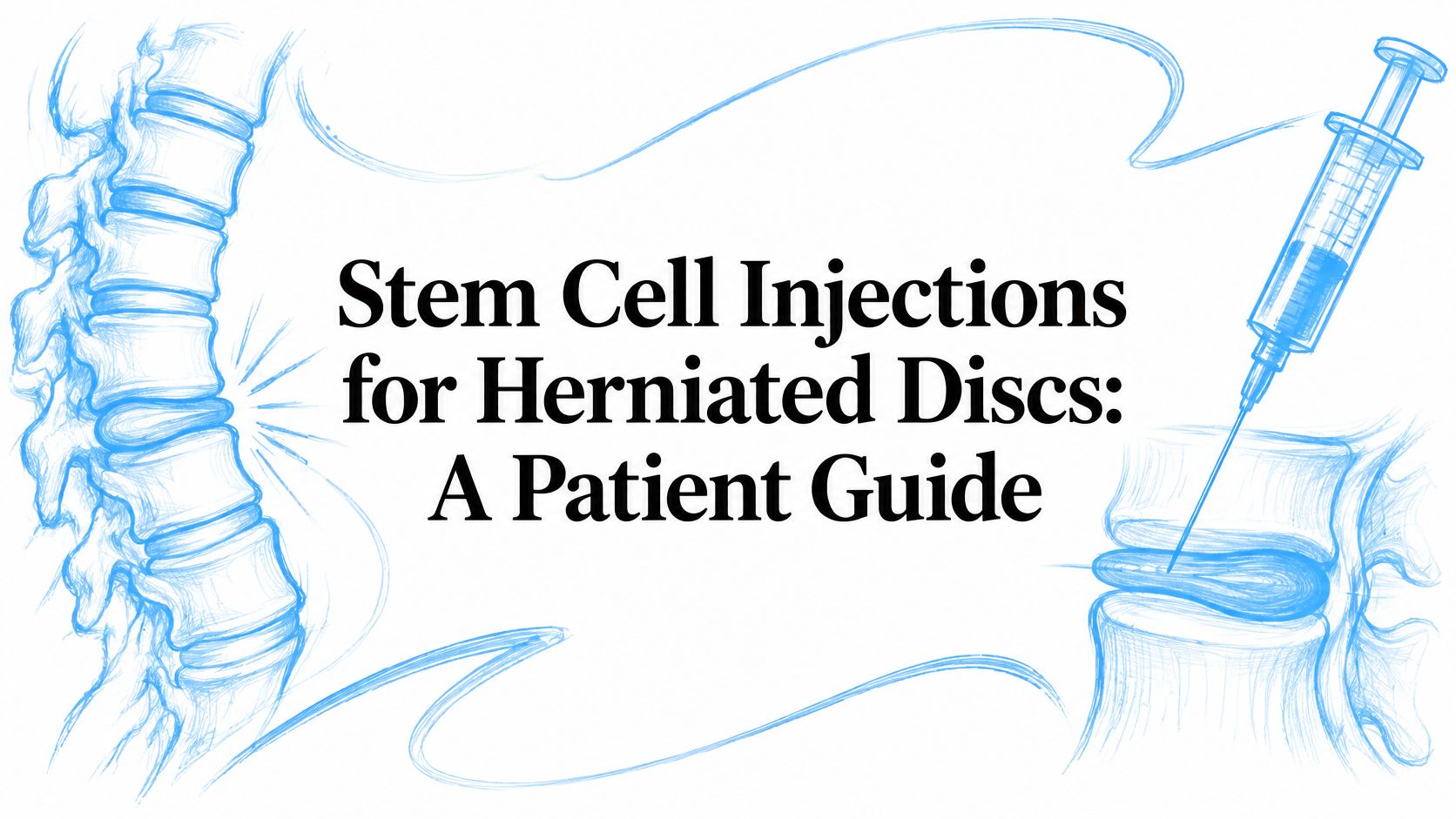
How Does Stem Cell Therapy Work for Chronic Pain Management?
Chronic pain affects millions of people worldwide, disrupting daily activities and reducing quality of life. When traditional treatments fail to provide lasting relief, many patients turn to regenerative medicine for answers. Stem cell therapy for chronic pain offers a different approach by targeting the underlying causes of discomfort rather than simply masking symptoms. This treatment harnesses the body’s natural healing mechanisms to repair damaged tissues, reduce inflammation, and restore function to affected areas.
What Is Chronic Pain and Why Do Traditional Treatments Often Fall Short?
Chronic pain is defined as discomfort that persists beyond the normal healing period, typically lasting three to six months or longer. Conditions like arthritis, back pain, nerve damage, and autoimmune disorders can all lead to ongoing pain that refuses to go away. Unlike acute pain that serves as a warning signal, chronic pain becomes a persistent condition that affects physical and emotional wellbeing.
Traditional pain management approaches include medications like NSAIDs and opioids, physical therapy, nerve blocks, and surgical procedures. While these treatments can provide temporary relief, they often fall short of addressing the root problem. Pain medications mask symptoms without repairing damaged tissue. Physical therapy helps strengthen surrounding muscles but cannot regenerate worn cartilage or heal inflamed nerves. Surgery carries risks and requires extensive recovery time, and the results are not always guaranteed.
The main limitation of conventional treatments is their focus on symptom management rather than tissue healing. Medications can lead to dependency and side effects with long-term use. Injections provide short-term relief but do nothing to restore damaged structures. Many patients find themselves cycling through different treatments without achieving lasting improvement, leading to frustration and decreased quality of life.
How Do Stem Cells Address the Root Causes of Chronic Pain?
Stem cell therapy takes a fundamentally different approach by promoting actual tissue repair and regeneration. Mesenchymal stem cells possess unique properties that make them particularly effective for pain management. These cells can sense areas of damage and inflammation in the body and migrate to those locations to begin the healing process.
Once stem cells reach damaged tissue, they trigger several therapeutic mechanisms. First, they release powerful anti-inflammatory signals that reduce swelling and pain in affected areas. This inflammation reduction often provides initial relief within the first few weeks of treatment. Second, stem cells secrete growth factors, cytokines and chemokine via exosomes that stimulate the body’s own repair processes, encouraging the formation of new, healthy tissue.
The regenerative capabilities of stem cells extend beyond simple pain relief. These cells can guide the differentiation of various cell types needed for healing, including cartilage cells for joint repair, bone cells for structural support, and other tissue types depending on the body’s needs. By understanding how stem cells function, patients can appreciate how this therapy addresses the underlying damage causing their chronic pain rather than simply covering up the symptoms.
Stem cells also help modulate the immune system, which is particularly beneficial for autoimmune-related pain conditions. They can calm overactive immune responses that contribute to ongoing inflammation and tissue damage. This combination of anti-inflammatory action, tissue regeneration, and immune modulation makes stem cell therapy a comprehensive solution for many types of chronic pain.
Which Types of Chronic Pain Respond Best to Stem Cell Therapy?
Orthopedic and Musculoskeletal Pain
Joint pain represents one of the most common and successfully treated conditions with stem cell therapy. Patients suffering from osteoarthritis in their knees, hips, shoulders, and ankles often experience significant improvement after treatment. The therapy helps regenerate worn cartilage, reduce joint inflammation, and improve mobility. Orthopedic stem cell treatments have shown particularly promising results for degenerative joint conditions that would otherwise require surgical intervention.
Knee pain affects millions of people and often limits their ability to walk, exercise, and maintain an active lifestyle. Stem cell therapy provides knee pain relief through stem cells by targeting the damaged cartilage and surrounding tissues, helping patients avoid or delay knee replacement surgery. Many patients report improved function and reduced pain within weeks of treatment.
Chronic back pain, including conditions affecting the lumbar spine, also responds well to regenerative therapy. Disc degeneration, facet joint arthritis, and sacroiliac joint dysfunction can all benefit from stem cell treatment. Lower back stem cell treatment offers hope for patients who have exhausted other conservative options and want to avoid invasive spinal surgery.
Nerve-Related Pain Conditions
Nerve pain presents unique challenges because damaged nerves regenerate slowly and incompletely with conventional treatments. Peripheral neuropathy, which causes burning, tingling, and numbness in the hands and feet, affects many patients with diabetes and other conditions. Stem cells can help repair damaged nerve tissue and reduce the inflammation that contributes to nerve pain. Peripheral neuropathy treatment options using stem cells have shown encouraging results for patients seeking relief from this debilitating condition.
Sciatica, caused by compression or irritation of the sciatic nerve, leads to sharp pain radiating down the leg. When conservative treatments like physical therapy and medication fail to provide relief, sciatica stem cell therapy can reduce inflammation around the nerve and promote healing of the affected tissues. This approach addresses the root cause rather than just managing symptoms.
Trigeminal neuralgia, a severe facial pain condition, represents another nerve-related disorder where stem cell therapy may offer benefits. The anti-inflammatory and regenerative properties of stem cells can help calm the overactive nerve signals that cause this intense pain.
Autoimmune-Related Pain
Autoimmune conditions create chronic pain through ongoing inflammation and tissue damage caused by a misdirected immune system. Rheumatoid arthritis causes joint pain, swelling, and stiffness that progressively worsens over time. Stem cell therapy for autoimmune disease treatments works by modulating the immune response and reducing the inflammation that damages joints and other tissues.
Fibromyalgia causes widespread pain, fatigue, and sensitivity throughout the body. While the exact mechanisms remain under study, stem cell therapy may help by reducing systemic inflammation and supporting tissue healing. Many fibromyalgia patients report improvements in pain levels and overall function after treatment.
Lupus-associated pain stems from inflammation that can affect multiple organ systems. The immune-modulating properties of mesenchymal stem cells make them particularly valuable for managing lupus symptoms and reducing the widespread discomfort this condition causes.
What Happens During a Stem Cell Treatment for Chronic Pain?
Initial Consultation and Assessment
The treatment journey begins with a thorough medical evaluation to determine if stem cell therapy is appropriate for your specific condition. During the initial consultation, medical professionals review your complete medical history, previous treatments you have tried, and the nature of your chronic pain. This comprehensive assessment helps identify the exact sources of your pain and develop a customized treatment plan.
Diagnostic imaging, including X-rays orMRI scans may be necessary to visualize the damaged tissues causing your pain. These images provide valuable information about the extent of tissue damage and help guide treatment decisions. The medical team will explain how stem cell therapy can address your particular condition and set realistic expectations for your recovery timeline.
Every patient receives a personalized treatment plan based on their unique needs and pain condition. Factors like the location of pain, severity of tissue damage, and overall health status all influence the treatment approach. Patients often have frequently asked questions about treatment that the medical team addresses during this consultation phase.
The Treatment Procedure
Dream Body Clinic uses umbilical cord-derived mesenchymal stem cells for chronic pain treatment. These cells offer several advantages, including higher potency, better safety profiles, and no need for invasive harvesting procedures from the patient’s own body. The cells are carefully screened and processed to ensure the highest quality and effectiveness.
For orthopedic conditions like joint pain or localized back pain, stem cells are delivered through targeted injections directly into the affected area. This approach concentrates the therapeutic cells where they are needed most, promoting localized tissue repair and inflammation reduction. The injection process typically takes 30 to 60 minutes and is performed using imaging guidance to ensure precise placement.
For systemic conditions like autoimmune disorders or widespread inflammation, stem cells may be administered through intravenous (IV) infusion. This method allows the cells to circulate throughout the body and reach multiple affected areas. The IV procedure is comfortable and similar to receiving a standard infusion, taking about one to two hours to complete.
Treatment procedures follow strict safety protocols in a sterile clinical environment. Patients remain awake during the procedure and typically experience minimal discomfort. Most treatments are performed on an outpatient basis, allowing patients to return to their accommodations the same day.
Post-Treatment Recovery and Follow-Up
Immediate post-procedure care focuses on allowing the stem cells to begin their work without interference. Patients receive specific instructions about activity restrictions, which are typically minimal compared to surgical recovery. Most people can resume light activities within a day or two, though strenuous exercise should be avoided for a few weeks.
The healing process unfolds gradually as stem cells work to repair damaged tissues and reduce inflammation. Initial responses often appear within two to eight weeks, with continued improvement over the following months. Regular follow-up consultations help monitor your progress and address any questions or concerns that arise during recovery.
The patient care approach at Dream Body Clinic emphasizes ongoing support throughout your healing journey. The medical team remains available to guide you through the recovery process and optimize your results.
How Long Does It Take to Experience Pain Relief After Stem Cell Therapy?
The timeline for pain relief varies among patients, but most follow a predictable pattern of improvement. Initial inflammation reduction typically occurs within one to two weeks after treatment. Many patients notice decreased swelling and a subtle improvement in pain levels during this early phase. These initial changes reflect the anti-inflammatory signals released by the stem cells as they begin their work.
Progressive improvement becomes more apparent between four and twelve weeks post-treatment. During this phase, the regenerative processes accelerate as new tissue forms and damaged structures begin to heal. Pain levels continue to decrease, and function improves as the treated areas become stronger and more stable. This is when many patients experience the most significant changes in their daily activities and quality of life.
Long-term benefits and sustained pain reduction typically develop over three to twelve months. The full regenerative effects of stem cell therapy take time to manifest as tissues continue remodeling and strengthening. Many patients report continued improvement even months after their treatment, with pain relief that lasts for years.
Several factors influence healing speed and treatment outcomes. Younger patients with less severe tissue damage often respond more quickly than older individuals with advanced degeneration. Overall health status, including nutrition, activity level, and the presence of other medical conditions, also affects recovery timelines. Smoking, poor diet, and inadequate rest can slow the healing process.
Real patient success stories demonstrate the varied recovery timelines and outcomes people experience. Some patients achieve dramatic improvement within weeks, while others see gradual progress over several months. These individual differences highlight the importance of patient expectations and ongoing communication with the medical team.
What Are the Advantages of Stem Cell Therapy Over Traditional Pain Management?
Stem cell therapy offers a non-surgical approach that avoids the risks associated with invasive procedures. Surgical interventions carry risks of infection, blood clots, anesthesia complications, and lengthy recovery periods. Stem cell treatment eliminates these concerns while still addressing the underlying tissue damage causing pain. Most patients return to normal activities within days rather than months.
One of the most significant advantages is the potential to reduce or eliminate pain medication dependency. Long-term use of opioids and other pain medications creates serious health risks, including addiction, organ damage, and diminished effectiveness over time. Stem cell therapy addresses the source of pain, often allowing patients to decrease or stop their medication use entirely.
Unlike medications and injections that mask symptoms temporarily, stem cell therapy targets the underlying tissue damage responsible for chronic pain. By promoting actual tissue repair and regeneration, this approach provides more lasting results. The goal is not just pain relief but restoration of function and tissue health.
Downtime after stem cell therapy is minimal compared to surgical recovery periods. Most patients resume light activities within a day or two and return to normal routines within a few weeks. Surgical recovery, by contrast, often requires months of restricted activity and rehabilitation. This difference allows patients to maintain their work schedules and daily responsibilities with minimal disruption.
The natural healing process using the body’s own regenerative mechanisms represents another key advantage. Stem cell therapy works with your body rather than against it, supporting and enhancing natural repair processes. This approach carries a lower risk of complications and adverse effects compared to pharmaceutical interventions or surgical procedures.
Who Is an Ideal Candidate for Stem Cell Therapy for Chronic Pain?
Ideal candidates include patients whose chronic pain has persisted for more than three months despite trying conservative treatments. If your pain interferes with daily activities, sleep, or quality of life, and traditional approaches have not provided adequate relief, stem cell therapy may offer a solution.
Individuals who have not responded adequately to conservative treatments like physical therapy, medications, and lifestyle modifications often find success with regenerative medicine. If you have exhausted other options without achieving lasting improvement, stem cell therapy provides an alternative worth considering.
Those seeking to avoid or delay surgical intervention represent excellent candidates for stem cell treatment. Surgery carries inherent risks and requires extensive recovery time. If you want to try a less invasive option before committing to surgery, stem cell therapy may help you avoid or postpone the need for an operation.
Patients looking to reduce reliance on pain medications find value in stem cell therapy’s potential to address the root cause of their discomfort. If you are concerned about the long-term effects of pain medications or want to decrease your medication use, regenerative treatment offers a pathway toward that goal.
People with conditions where tissue regeneration can provide benefit are particularly good candidates. Degenerative joint disease, cartilage damage, tendon injuries, and nerve inflammation all respond well to stem cell therapy. Conditions that involve actual tissue damage rather than structural abnormalities tend to show the best results.
Certain medical conditions may require additional evaluation before proceeding with treatment. Active infections, certain cancers, and severe clotting disorders need to be addressed before stem cell therapy. During your consultation, the medical team will assess your complete health status to determine if any conditions might affect your candidacy or require special considerations.
How Does Dream Body Clinic Enhance Stem Cell Therapy Results?
Advanced Cell Therapy Protocols
Dream Body Clinic uses high-dose mesenchymal stem cell treatments ranging from 25 to 300 million cells per treatment. These higher cell counts provide more therapeutic benefit compared to lower-dose treatments offered elsewhere. The 300 million stem cell IV treatment represents one of the most comprehensive approaches available for systemic conditions requiring maximum regenerative support, but for specific joint issues direct injections to the joint is best.
Combination therapy with Human Growth Hormone (HGH) further enhances healing outcomes. HGH supports tissue repair, reduces inflammation, and accelerates recovery when used alongside stem cell treatment. The synergistic effects of combining these therapies provide superior results compared to either treatment alone. Patients interested in this approach can learn about HGH therapy benefits and how it complements stem cell treatment.
The clinic’s protocols are designed based on the latest research and clinical experience to maximize therapeutic outcomes. Treatment plans are customized to each patient’s specific condition, ensuring that cell counts, delivery methods, and adjunctive therapies are optimized for their needs.
Comprehensive Patient Support
Dream Body Clinic provides step-by-step guidance through the entire treatment journey, from initial inquiry through post-treatment follow-up. Patients receive clear information about what to expect at each stage, helping reduce anxiety and ensure the best possible experience.
Educational resources about regenerative medicine help patients understand their treatment and make informed decisions. The medical team takes time to answer questions and explain the science behind stem cell therapy in clear, accessible language. This educational approach empowers patients to participate actively in their healing process.
Post-treatment follow-up and progress monitoring ensure that patients receive ongoing support as they heal. Regular check-ins allow the medical team to track improvement, address concerns, and provide guidance for optimizing results. This continued care demonstrates the clinic’s commitment to patient outcomes beyond the procedure itself.
The accessible location in Puerto Vallarta, Mexico, makes advanced stem cell therapy available to international patients at more affordable prices than similar treatments in other countries. The clinic assists with travel planning and logistics, making the process smooth and stress-free. Patients can explore accommodation options for treatment that provide comfort and convenience during their stay.
What Does Research Say About Stem Cells for Chronic Pain?
Clinical studies have demonstrated significant pain reduction in osteoarthritis patients treated with mesenchymal stem cells. Research published in peer-reviewed journals shows that patients receiving stem cell therapy report decreased pain scores, improved function, and better quality of life compared to those receiving placebo treatments. Studies tracking patients for one to two years post-treatment show sustained benefits, indicating that the pain relief is not temporary.
Research on mesenchymal stem cells for inflammation control has revealed powerful anti-inflammatory mechanisms. These cells release multiple factors that reduce inflammatory signaling and calm overactive immune responses. The anti-inflammatory properties of stem cells extend beyond orthopedic conditions to systemic inflammatory disorders, making them valuable for various pain conditions.
Evidence of tissue repair and cartilage regeneration comes from multiple research sources. MRI studies show actual cartilage growth and improved tissue quality in joints treated with stem cells. Histological studies examining treated tissues reveal new cartilage formation and better tissue organization compared to untreated areas. These findings confirm that stem cells provide genuine tissue repair rather than just symptom relief.
The safety profile of stem cell therapy shows low adverse event rates in clinical trials. Most reported side effects are mild and temporary, including minor soreness at injection sites or temporary fatigue. Serious complications remain extremely rare when treatments are performed by qualified providers using properly sourced and processed cells. This favorable safety profile makes stem cell therapy an attractive option compared to riskier interventions.
Research continues to expand our understanding of how stem cells work for chronic pain. Ongoing studies are exploring optimal dosing, combination therapies, and the best treatment protocols for specific conditions. The growing body of evidence supports the use of stem cell therapy as a legitimate treatment option for chronic pain management.
How Much Does Stem Cell Therapy for Chronic Pain Cost?
Several factors affect treatment pricing, including the number of cells used, the treatment area, and whether the therapy involves targeted injections or systemic IV administration. More extensive treatments requiring higher cell counts naturally cost more than simpler, localized procedures. The specific condition being treated and the complexity of the treatment protocol also influence pricing. For detailed pricing information, patients can review current treatments listed on www.dreambody.clinic. Every treatment page has the price and info listed.
When comparing costs, it helps to consider long-term medication expenses. Chronic pain patients often spend thousands of dollars annually on prescription medications that provide only temporary relief. Over several years, these medication costs can exceed the one-time investment in stem cell therapy, which aims to address the underlying problem and provide lasting improvement.
The value of addressing root causes versus temporary symptom management becomes clear when considering quality of life improvements. Stem cell therapy seeks to restore function and reduce pain long-term, potentially eliminating the need for ongoing medications, repeated injections, or eventual surgery. This represents a different type of investment compared to treatments that require continuous spending without resolving the underlying issue.
Investment in quality of life and functional improvement extends beyond financial considerations. The ability to return to activities you love, reduce pain that interferes with sleep and daily life, and avoid the risks of surgery carries significant value. Many patients report that improved quality of life and restored function make stem cell therapy worthwhile regardless of cost.
How to Get Started with Stem Cell Therapy at Dream Body Clinic?
The process begins with booking your treatment consultation through the clinic’s website or by contacting their patient care team. This initial inquiry allows you to ask questions and learn whether stem cell therapy might be appropriate for your condition.
Medical record submission helps the team understand your health history and pain condition. You will be asked to provide recent diagnostic imaging, medical records, and information about treatments you have tried. This documentation allows the medical team to assess your case and develop recommendations tailored to your specific needs.
Personalized treatment recommendations are provided based on your individual condition and health status. The team will explain which treatment protocol they recommend, the expected timeline for improvement, and what you can expect during your visit. This personalized approach ensures that your treatment plan addresses your unique situation.
Travel planning and logistics for international patients receive dedicated support from the clinic. The team assists with scheduling, provides information about travel requirements, and helps coordinate all aspects of your visit. Planning your visit to Puerto Vallarta includes guidance on accommodations, local transportation, and activities to enjoy during your stay.
What to expect during your stay at the clinic includes comprehensive care from arrival through departure. The medical team guides you through pre-treatment preparation, the procedure itself, and post-treatment care. You will receive clear instructions for your recovery and ongoing communication to support your healing journey after you return home.
Frequently Asked Questions
Is stem cell therapy painful for chronic pain conditions?
The treatment itself involves minimal discomfort. Most patients report that targeted injections feel similar to standard injections, with some pressure or mild stinging that resolves quickly. IV administration is comfortable and painless. Any soreness at injection sites typically resolves within a day or two.
How many stem cell treatments are needed to manage chronic pain effectively?
Many patients experience significant improvement from a single treatment. Some conditions may benefit from a second treatment after several months to optimize results. The medical team will recommend a treatment plan based on your specific condition and response to the initial therapy.
Can stem cell therapy completely eliminate chronic pain or just reduce it?
Results vary among patients. Some people experience complete pain resolution, while others achieve significant reduction that greatly improves their quality of life. The extent of improvement depends on factors like the severity of tissue damage, the specific condition being treated, and individual healing capacity.
What is the success rate of stem cell therapy for chronic pain management?
Clinical studies report success rates between 70 and 85 percent for various chronic pain conditions. Success is typically defined as significant pain reduction and functional improvement. Individual results depend on the specific condition, tissue damage severity, and patient health factors.
Are there any side effects or risks associated with stem cell therapy for pain?
Stem cell therapy has a favorable safety profile with minimal risks. Potential side effects include temporary soreness at injection sites, mild fatigue, or brief flu-like symptoms as the immune system responds to the cells. Serious complications are extremely rare when treatments are performed by qualified providers.
How long do the pain relief benefits from stem cell therapy typically last?
Many patients experience sustained pain relief lasting several years or longer. Because stem cell therapy promotes actual tissue repair, the benefits tend to be long-lasting compared to temporary treatments. Some patients maintain improvement indefinitely, while others may choose to repeat treatment after several years if symptoms gradually return.
Can I combine stem cell therapy with other pain management approaches?
Yes, stem cell therapy can be combined with physical therapy, lifestyle modifications, and appropriate medications during the healing process. Many patients gradually reduce medication use as pain improves. The medical team will provide guidance on how to integrate stem cell therapy with your existing pain management plan.
Is stem cell therapy covered by insurance for chronic pain treatment?
Most insurance plans do not currently cover stem cell therapy for chronic pain, as it is considered investigational by many insurers. Patients typically pay out of pocket for treatment. The investment should be weighed against long-term medication costs and potential surgery expenses.
Call us for a Free Consultation at (888) 704-3977 or on WhatsApp at +523222321055