
Stem Cell Knee Treatment in Puerto Vallarta, Mexico
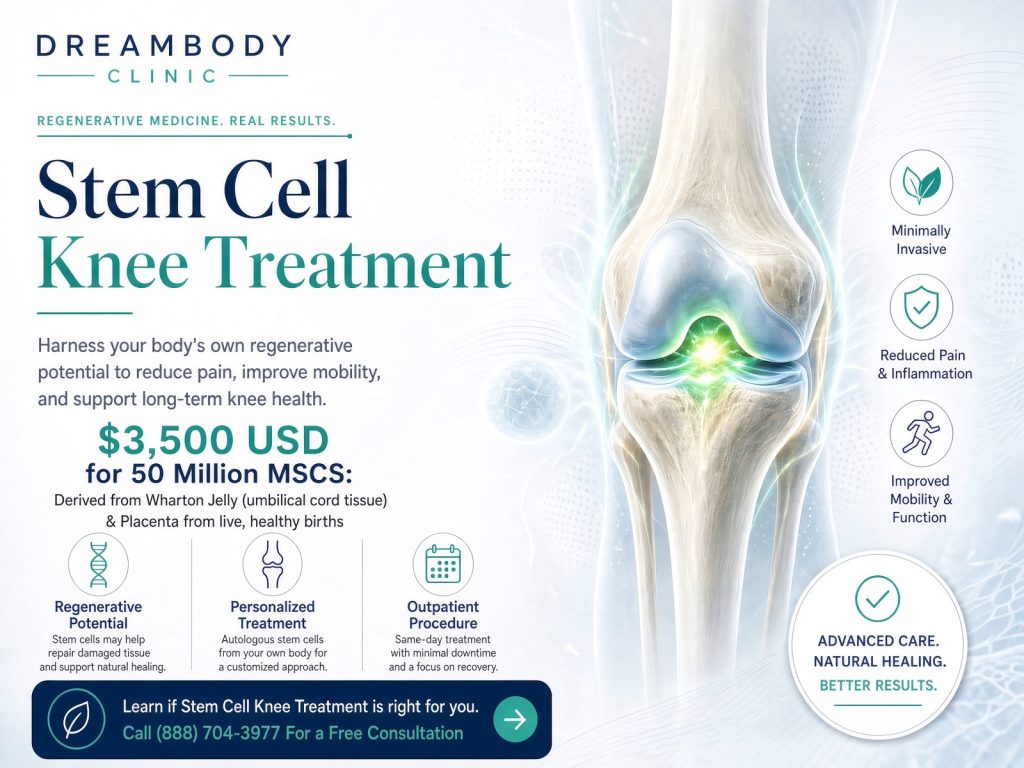
Short answer: Dream Body Clinic’s stem cell knee treatment is one ultrasound-guided injection of 50 million culture-expanded mesenchymal stem cells (MSCs) from Wharton’s jelly (umbilical cord tissue) and placenta, given at our clinic in Bucerías, in the Puerto Vallarta area of Mexico. It costs $3,500 USD per knee ($7,000 for both knees), and an on-site MRI, blood panel and physician consultation are included. Plan on 5 days in town. It is used for knee osteoarthritis, partial meniscus and ligament tears and cartilage damage by people who want to delay or avoid surgery. Patients who respond usually notice changes over 3 to 6 months. Results vary and are not guaranteed.
- Price: $3,500 per knee, MRI and bloodwork included
- Cells: 50 million allogeneic MSCs, expanded in our own ISO 7 cleanroom lab and never frozen
- Licensing: COFEPRIS licence 23-TR-18-020-0001; clinic open since 2012
- Hours: Monday to Friday 8 AM to 4 PM, Saturday 8 AM to 2 PM
- Reviews: rated 4.9 from 766 Google reviews (see our Google Maps listing)
We require patients to be in town for at least 5 days. Below is what a typical schedule looks like, but exact details are subject to change depending on availability and schedule:
What’s included in your protocol
Typical Treatment Schedule
What Is the Stem Cell Knee Treatment at Dream Body Clinic?
The stem cell knee treatment at Dream Body Clinic is a 50 million mesenchymal stem cell injection for one knee, priced at $3,500 USD. The fee includes the on-site MRI, blood panel, consultation, and ultrasound-guided injection. Both knees are $7,000. The cells are allogeneic mesenchymal stem cells from Wharton’s jelly and placenta, expanded in the clinic’s own lab in Bucerías, Nayarit, in the Puerto Vallarta area, and they are never frozen or shipped. We have used MSC injections for knee osteoarthritis, cartilage damage and chronic knee pain for about 9 years. Call (888) 704-3977 for a free consultation.
The stem cell knee treatment is a minimally invasive injection of mesenchymal stem cells (MSCs) into the knee joint. It is used for knee osteoarthritis, partial meniscus tears, partial ligament injuries, cartilage defects, and chronic knee pain that has not responded to rest, physical therapy, or injections.
At Dream Body Clinic the protocol is not a same-day bone marrow or fat draw. There is no liposuction and no bone marrow harvest. The dose is 50 million culture-expanded allogeneic MSCs, delivered by intra-articular injection under ultrasound guidance by one of our 3 treating physicians; Dr. Arick Barba, Dr. Lizbeth Aguirre or Dr. Jaqueline Vega.
The goal is to reduce joint inflammation and support repair of cartilage, meniscus, ligament, and tendon tissue. It is not a knee replacement, it cannot repair a complete tear and it does not remove bone spurs.
How much does stem cell knee treatment cost?
Dream Body Clinic publishes one price for the standard knee protocol.
– One knee: $3,500 USD. Includes MRI, blood panel, consultation, 50 million MSCs, and the injection. – Both knees, same trip: $7,000 USD. – If imaging shows you are not a candidate: MRI $500 and blood panel $300. You are not charged the treatment fee. – If you have an MRI from the past 12 months, email the written report to info@dreambodyclinic.net before you travel so our doctors can do an initial evaluation. We don’t accept outside MRIs for treatment: a new MRI at our clinic is always required before treatment, because over the years we have received too many inaccurate reports.
Non expanded-MSC knee injection in the United States are commonly quoted at $5,000 to $15,000 per knee and are not covered by insurance. In the USA and most countries they don’t allow the full isolation and replication of MSCs for treatments. Knee replacement in the United States is commonly $30,000 to $50,000 before rehab.
How does it compare with other knee treatments?
A simple comparison of the three options patients ask about most. Your physician will tell you which fits your MRI.
| Stem cell injection (Dream Body Clinic) | Knee replacement | Cortisone injection | |
|---|---|---|---|
| Procedure | Ultrasound-guided injection, no incision | Major surgery | Simple injection |
| Downtime | Walk the same day; 2 weeks off sport, then a 4-week rehab plan | Months of rehab | 1–2 days |
| Typical candidate | Mild to moderate arthritis, partial tears, wants to delay or avoid surgery | Severe, end-stage arthritis | Short-term relief of a flare |
| Evidence | Small average improvements in pain and function; low-certainty evidence; see research below | Well established for end-stage arthritis | Recommended for short-term relief; effect usually lasts weeks to months |
| Price | $3,500 per knee, MRI and bloodwork included | Commonly $30,000–$50,000 in the U.S. before rehab | Varies; often covered by insurance |
More detail: stem cells vs PRP vs cortisone for knee arthritis.
What knee conditions can this treat?
The Stem Cell Knee Treatment can help with the following issues:
– Knee osteoarthritis, grades 1–4, with better expectations in grades 1–2 – Partial meniscus tears – Partial ACL, MCL, PCL, and LCL injuries – Focal cartilage lesions and chondromalacia – Patellar tendinitis and quadriceps tendon damage – Chronic knee pain after failed conservative care – Incomplete healing after prior surgery – Sports injuries that are partial, not complete ruptures
It is not a fit for:
– Complete ligament, tendon, or meniscus tears. Stem cells do not bridge a full-thickness gap. – Large osteophytes. Stem cells do not remove bone, and spurs can block healing. – Cancer. We won’t treat patients that have had cancer within the past 5 years. Not because MSCs can cause it or make it worse, but because if the cancer came back the MSCs could be blamed and there is no way to know. – A cortisone injection in the last 3 months. Cortisone confuses where inflammation is and stem cells work by seeking out inflammation so they are counteractive. – Anyone expecting a guaranteed result. This is medicine, not magic. About 5% of people are non-responders. It is rare, but worth knowing before committing to treatment.
How do mesenchymal stem cells work in the knee?
Injected MSCs do most of their work by signaling, not by turning into a new knee. In the joint they:
– Release anti-inflammatory cytokines that calm joint swelling – Signal chondrocytes, the cells that maintain cartilage – Support new extracellular matrix, including collagen and proteoglycans – Guide fibroblasts in partial ligament and tendon injuries and support collagen repair – Support meniscal cells and matrix in partial tears – Produce matrix metalloproteinases that help remodel scar tissue – Promote small-vessel growth so injured tissue gets blood supply – Modulate the local immune response so inflammation does not stay switched on
MSCs from the injection remain in the body for about 8–12 months. They move toward inflammation and interact with local immune and repair cells. After that window, remaining donor cells differentiate and are cleared. That clearance has not produced a systemic reaction in the clinic’s knee series.
What is included, and where is it done?
Treatment is at DBC Medical & Health Center, Carmen Serdán 22, Bucerías, Nayarit 63732, Mexico, on the bay across from Puerto Vallarta. Patients fly into Puerto Vallarta International Airport (PVR).
Included in the $3,500:
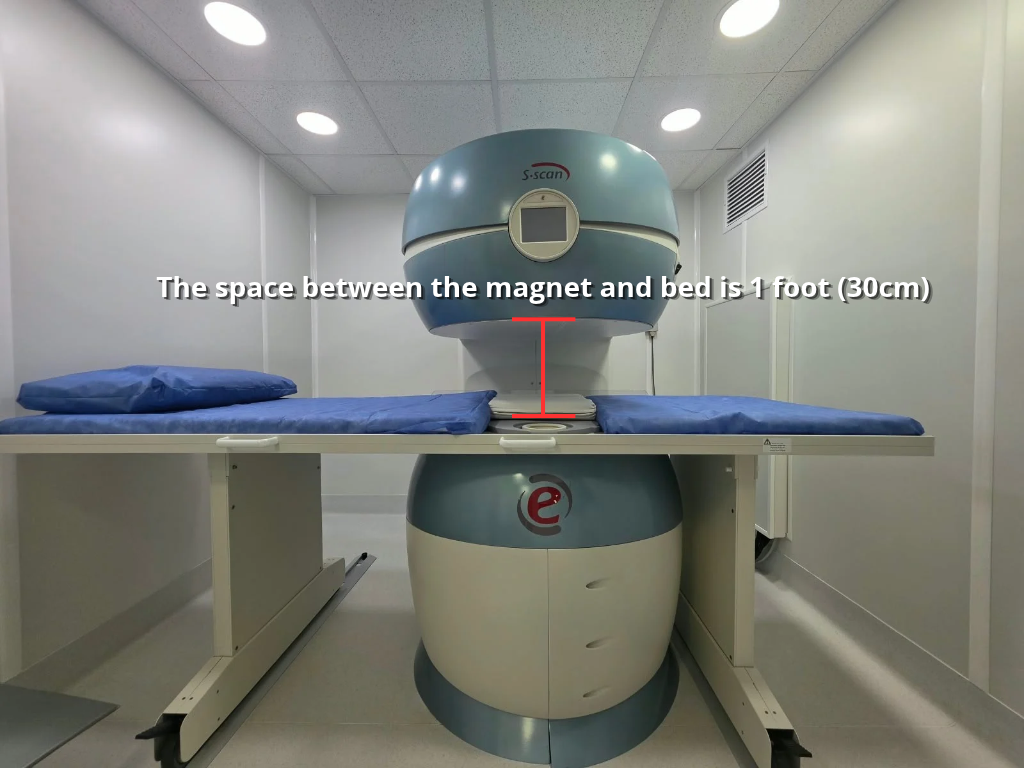
– Open MRI on the clinic’s Esaote S-Scan, so the joint is not guessed at – Blood panel – Physician consultation with doctor. – 50 million mesenchymal stem cells from the on-site lab – Ultrasound-guided intra-articular injection – Post-treatment rehab protocol – Remote follow-up at 3, 6, and 12 months
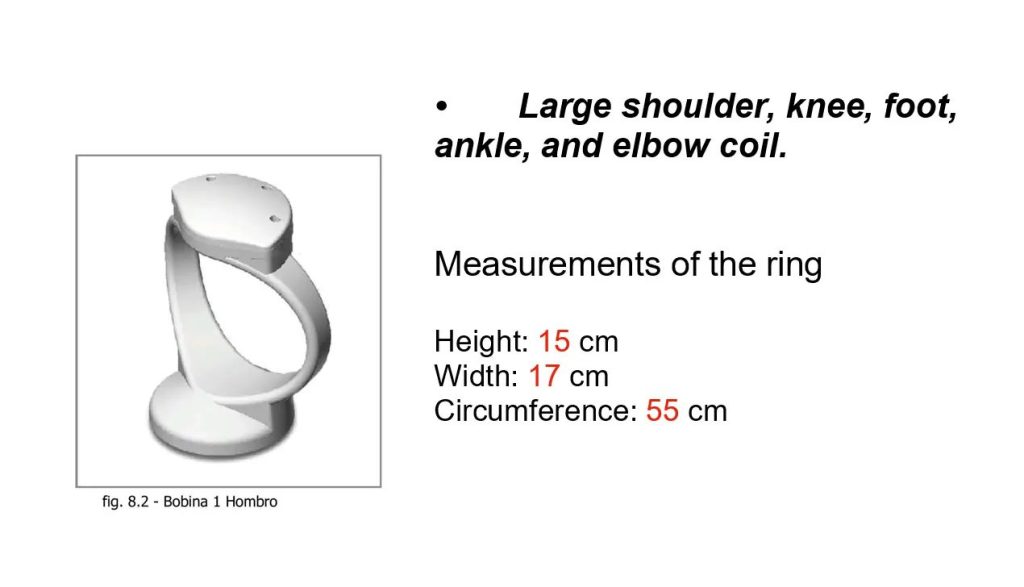
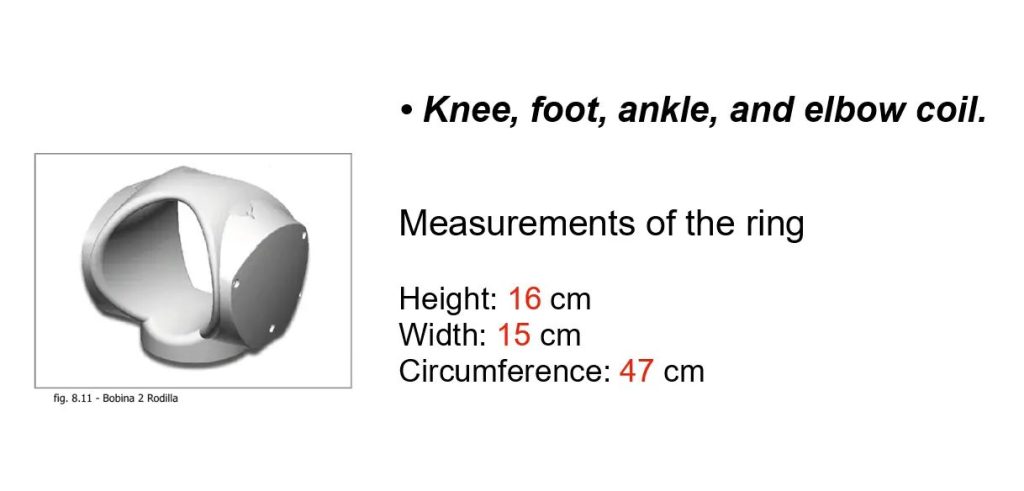
The MRI is an open scanner. Confirm the knee fits the coil before travel. If it does not, the clinic schedules a different machine. Most patients stay at least 5 days. Flights and hotels are up to the patient. Puerto Vallarta International Airport has direct flights from major U.S. cities, including Los Angeles, Dallas, Phoenix and Houston. Airport and clinic transfers are included if you stay in the clinic hotel zone.
Why the stem cells are expanded on site?
The Mesenchymal Stem Cells (MSCs) are allogeneic, from Wharton’s jelly and placenta of screened live births, then expanded in Dream Body Clinic’s ISO-rated lab on the same property. They are not frozen for storage and not shipped in from another city. The clinic has been open since 2012 and has administered stem cells for 9 years.
Mexico’s regulator for these procedures is COFEPRIS. Expanding cells in a clinic lab is permitted under that framework and is restricted in the United States, which is why Americans, Canadians, and patients from the UK, Australia, and Europe travel for this dose.
What does the research say about stem cells for knee arthritis?
Stem cell injections for knee arthritis are one of the most studied uses of cell therapy in orthopedics. Reviews and trials have found small to moderate average improvements in pain and function, and research is ongoing. The science is still developing, so outcomes vary from person to person.
At Dream Body Clinic, many of our knee patients tell us they have less pain and move more comfortably after treatment, and we’re proud to support them. Every patient gets a personal medical review first, so we only recommend treatment when we believe it’s a good fit. Your care with us works alongside your own doctor’s care, never in place of it.
Licensed by COFEPRIS, Mexico’s equivalent of the FDA. Dream Body Clinic holds three sanitary licenses from COFEPRIS, Mexico’s federal health regulator: one for regenerative medicine practice, one for our stem cell bank and one for our stem cell collection center. Our cells are grown in our own Bucerias, Nayarit lab under strict cleanroom conditions and are tested by independent, COFEPRIS-authorized laboratories before every treatment.
Is stem cell knee treatment in Mexico safe?
Any injection carries risk, and the quality of the clinic and its lab matters most. In May 2024 the CDC reported three U.S. patients who developed Mycobacterium abscessus infections in 2022 after donor embryonic stem cell injections at clinics in Baja California and Guadalajara, including one patient with infections in both knees. Investigators suspected a common contaminated product. Dream Body Clinic is in Bucerías, Nayarit, and was not one of those clinics. Source: CDC Morbidity and Mortality Weekly Report, May 2024.
Here is how we reduce those risks, so you can check them yourself:
– COFEPRIS licence: the clinic operates under COFEPRIS licence 23-TR-18-020-0001. Ask to see it during your consultation. – Batch testing before release: each lot is tested by third-party, COFEPRIS-authorized laboratories for cell identity (flow cytometry: CD105, CD73 and CD90 positive; CD45, CD34 and HLA-DR negative or low), sterility (bacterial and fungal culture), mycoplasma, endotoxin and viability. Cells are released only after meeting those criteria, and you receive a copy of the third-party analysis for your lot. – Donor screening: donors are screened for HIV, hepatitis B and C, syphilis and Chagas disease. – Lab and handling: cells are expanded in our own ISO 7 cleanroom lab on the clinic property, never frozen, and given within 24 hours. See our lab licences and testing details. – Sterile, image-guided injection: the injection is placed under ultrasound after skin prep with iodine and Microdacyn.
Side effects the clinic has recorded with this knee protocol
– Infection risk exists with any injection. The clinic uses iodine and Microdacyn. It reports no knee-injection infections in 9 years of stem cell use. – Four patients out of hundreds had increased inflammation about a week later, linked to the old PRP combination. PRP is no longer added. Tramadol/acetaminophen and prednisone are available if a flare occurs. – Some patients do not respond. No clinic can promise a result. – Adverse events reported by the clinic are under 2%, mostly temporary soreness at the injection site. – The clinic does not treat patients with cancer in the past 5 years.
How long is recovery after a stem cell knee injection?
Most patients walk out the same day and are back to desk work in 2–3 days. The biology is slower than the soreness.
– Days 1–2: Injection-site soreness. Rest, with light walking allowed. – Week 1: Normal daily activity. No high-impact exercise. – Weeks 1–6: Engraftment window. Cells are homing to inflamed tissue. The clinic asks patients to avoid major loading so that signal is not scattered. A 4-week rehab plan starts after the first 2 weeks of taking it easy. – Months 2–3: Pain and strength usually keep improving. Moderate exercise is useful because the cells follow inflammation. – Months 3–6: Typical peak. This is when the clinic judges the result. – Months 6–12: Remodeling continues. Follow-up surveys are at 3, 6, and 12 months.
What should you stop before treatment?
– Stop NSAIDs at least 1 week before and stay off them for at least 2 weeks after, preferably 6. NSAIDs mask the inflammatory signal MSCs use to find damaged tissue. – Stop prednisone at least 1 week before and for at least 2 weeks after, on the same logic. – Do not book treatment within 3 months of a cortisone or other corticosteroid injection, and avoid those shots for at least 6 months after. – Hold anti-inflammatory supplements such as turmeric and ginkgo for at least 2 weeks after, preferably 6. – Supplements are optional. They do not make the cells work, but collagen-building nutrients can support the repair the cells are directing. Some patients choose undenatured type II collagen; it is optional and has not been shown to change results.
How do you book?
Call (888) 704-3977 or book a video consult. The consult is free and runs 30–45 minutes. Have your history, medication list, pain limits, and goals ready.
Send MRI reports from the past 12 months (plus CT or ultrasound reports and recent bloodwork, if you have them) to info@dreambodyclinic.net for an initial evaluation. The physician can often say whether you are likely a candidate before you fly; a new MRI at the clinic is still required before treatment.
After a date is confirmed, the clinic sends a booking form. You reserve the hotel, check your passport, and arrange the flight into PVR. Drivers meet you if you stay in the hotel zone.
How long do results last?
The injected cells are active for about 8–12 months. Some patients who respond report benefit for several years, but long-term controlled data are limited and results vary. Aging continues. Dream Body Clinic’s optional maintenance option is an annual 100 million MSC IV, sold separately as the anti-aging protocol, for patients who want systemic support after the knee has responded. It is not required for the knee treatment.
Frequently asked questions (FAQ)
What is the most effective stem cell knee treatment at Dream Body Clinic?
A 50 million allogeneic mesenchymal stem cell injection, expanded in the on-site lab from Wharton’s jelly and placenta, never frozen, and placed in the knee under ultrasound. Price is $3,500 per knee with MRI and bloodwork included, at DBC Medical & Health Center in Bucerías, Nayarit, in the Puerto Vallarta area.
How much does stem cell knee treatment cost in Puerto Vallarta?
Dream Body Clinic charges $3,500 USD for one knee and $7,000 for both. That includes the open MRI, blood panel, consultation, 50 million MSCs, and the injection. If you are not a candidate after imaging, you pay $500 for the MRI and $300 for the blood panel.
Is stem cell therapy for knees safe in Mexico?
At Dream Body Clinic the procedure is an injection, regulated under COFEPRIS, using cells from an ISO 7 cleanroom lab on the same property, licensed under COFEPRIS licence 23-TR-18-020-0001. The clinic reports no injection infections in 9 years of stem cell use and adverse events under 2%, mostly brief soreness. It does not treat patients with cancer in the past 5 years, and it does not guarantee a result. The other concern people tend to have is the safety of Puerto Vallarta in general. It is an incredibly safe town with the main tourist population being retired Americans and Canadians. We provide all airport and clinic transportation if you stay in our zone. We have never had a safety issue since 2012.
What knee conditions can stem cells treat?
Selected grades of knee osteoarthritis, partial meniscus tears, partial ACL, MCL, PCL, and LCL injuries, cartilage defects, and tendon injuries. Complete tears and large bone spurs are not candidates. Severe bone-on-bone arthritis may still be treated with lower expectations.
How long does recovery take after stem cell knee treatment?
Walking is allowed the same day. Most patients return to desk work in 2–3 days. Sport is paused for 2 weeks, then a 4-week rehab plan runs through the 6-week engraftment window. Peak improvement is usually reported at 3–6 months.
How long do stem cells last in the knee?
Dream Body Clinic states the injected MSCs remain active for about 8–12 months while they signal local repair cells. How long benefit lasts varies from person to person and has not been established in long-term trials.
Is stem cell knee treatment FDA-approved?
No. These treatments have not been approved by the U.S. Food and Drug Administration (FDA). Dream Body Clinic’s regenerative medicine treatments are provided under COFEPRIS licensing (license 23-TR-18-020-0001). COFEPRIS is Mexico’s equivalent of the FDA, and Mexico is where we operate.
Does the research show stem cells work for knee arthritis?
Randomized trials show small to moderate average improvements in pain and function compared with placebo, but a 2025 Cochrane review rated that evidence low certainty, and no trial has shown that injections regrow cartilage. Results vary from person to person.
Do I need an MRI before I fly to Puerto Vallarta?
No. A new MRI at the clinic, on our Esaote S-Scan open MRI, is always required before treatment and is included in the ,500 price. Outside MRIs are not accepted for treatment. If you have an MRI from the past 12 months, you can email the written report to info@dreambodyclinic.net for an initial evaluation, so the physician can tell you in advance whether you are likely to be a candidate.
Who is the physician?
Dr. Arick Barba, Dr. Liz Aguirre and Dr. Jaqueline Vega are the full-time physicians at Dream Body Clinic and perform the knee assessment and injections. The clinic is at Carmen Serdán 22, Bucerías, Nayarit 63732, Mexico. Free consult: (888) 704-3977.
Mesenchymal Stem Cells (MSCs)
Laboratory and early clinical research suggests MSCs may support repair in several tissues around the knee:
Arthritis (Cartilage Damage)
Cartilage is the tissue that cushions the joints, allowing for smooth and pain-free movement. In arthritis, the cartilage becomes damaged or worn down, resulting in pain and stiffness. MSCs may support cartilage by signaling chondrocytes, which are the cells that make up cartilage. When MSCs are injected into the joint, they can reduce inflammation and support cartilage cells, which some patients experience as less pain and better function.
Meniscus Damage
The meniscus is a C-shaped piece of cartilage that acts as a shock absorber between the thigh bone and the shinbone. Meniscus damage is a common knee injury that can lead to pain, swelling, and limited mobility. MSCs may support partial meniscus injuries by reducing inflammation and signaling meniscal cells. When injected into the knee joint, MSCs can guide meniscal cartilage cells and promote the production of extracellular matrix, the substance that makes up the structure of cartilage.
Ligament Damage
Ligaments are the tough bands of tissue that connect bones to each other and help to stabilize joints. Injuries to ligaments can cause pain, inflammation, and instability. MSCs may support partial ligament injuries by reducing inflammation and signaling repair cells. When injected into the injured area, MSCs can guide fibroblasts, the cells that make up ligament tissue, and promote the production of collagen, the substance that gives ligaments their strength and flexibility.
Tendon Damage
Tendons are the tough bands of tissue that connect muscles to bones. Tendon injuries can cause pain, swelling, and weakness in the affected area. MSCs may support tendon repair by reducing inflammation and signaling repair cells. When injected into the injured area, MSCs can guide tenocytes, the cells that make up tendon tissue, and promote the production of collagen, the substance that gives tendons their strength.
Muscle Damage
Muscles can become damaged due to injury, overuse, or age-related changes. Muscle damage can cause pain, weakness, and limited mobility. MSCs may support muscle repair by reducing inflammation and signaling repair cells. When injected into the injured area, MSCs can guide myoblasts, the cells that make up muscle tissue, and promote the production of myosin and actin, the proteins that enable muscle contraction.
These effects are thought to come mainly from the signaling molecules and growth factors MSCs release, not from the cells turning into new tissue. Research in people is still limited, and results vary.
How Might Mesenchymal Stem Cells Help With Scar Tissue in an Injured Knee?
Laboratory research suggests mesenchymal stem cells (MSCs) may help remodel scar tissue in injured knees in several ways.
Proposed mechanisms include producing enzymes and cytokines that break down scar tissue, signaling the local cells that maintain healthy tissue, modulating the immune system to reduce inflammation, and promoting angiogenesis to stimulate the growth of new tissue. By helping remodel scar tissue, MSCs may help knee function and mobility.
Removing fibrosis (scar tissue) is of vital importance because as we age we have fewer and fewer MSCs to help heal issues properly. So white blood cells rush in and patch everything up with fibrosis. This keeps things from getting worse usually, but it blocks the natural healing growth factors and other things from being able to heal the underlying tissue. The theory is that MSCs help remodel fibrosis so the underlying tissue can repair itself; this is supported mainly by laboratory studies.
How Might Mesenchymal Stem Cells Support Cartilage in Arthritis?
In osteoarthritis, mesenchymal stem cells (MSCs) may support cartilage through several proposed mechanisms. These are shown mostly in laboratory studies; clinical trials have not shown cartilage regrowth on MRI:
Mesenchymal stem cells may support cartilage in osteoarthritis through their guiding the differentiation of chondrocytes into the production of extracellular matrix components, reduction of inflammation, and paracrine signaling to promote cell proliferation and tissue repair.
Production of chondrogenic factors: MSCs may signal chondrocytes, which are the primary cells that produce cartilage. By producing chondrogenic factors, MSCs can promote the differentiation of MSCs into chondrocytes and increase the production of cartilage.
Production of extracellular matrix components: MSCs can also promote the production of extracellular matrix components, such as collagen and proteoglycans, which are important components of cartilage.
Reduction of inflammation: Inflammation is a major contributor to cartilage degeneration in osteoarthritis. MSCs can suppress inflammation and contribute to a less inflammatory environment, allowing for the production and maintenance of cartilage.
Paracrine signaling: MSCs can also release various growth factors, cytokines, and chemokines that promote cell proliferation, differentiation, and tissue repair. By modulating the activity of nearby cells, MSCs may help support cartilage.
Stem Cell Knee Treatment Videos
How the stem cell knee treatment works
Tim describes his knee treatment experience
A patient with meniscus tears in both knees
A U.S. veterinarian talks about treating his knees
Rehab exercises after your knee treatment
Patient stories describe individual experiences. Results vary and are not guaranteed. Watch more patient videos on our YouTube channel.
Pre Treatment Care Protocol
Post Treatment Care Protocol
After treatment we advise patients to take 2 weeks off from exercise or sports. Then we recommend they follow the 4 week physical rehab protocol that we provide during treatment. This is a protocol of physiotherapy exercises developed by our orthopedic surgeon to help with a fast recovery. After the 6 weeks of rest and rehab we then recommend getting back to your favorite activities or exercise routine, but to take it light and listen to your body. If you go to the gym and you feel pain in your knee during treatment or the next day then it is best to take at least a week or more off of that exercise. It is best to listen to your body and give the treated knee time to recover. Most patients see peak results from treatment 3 to 6 months post treatment.
We recommend that patients don’t start using any non-steroidal anti-inflammatory drugs (NSAIDS), Prednisone, or anti-inflammatory supplements such as gingko biloba or turmeric for at least 2 weeks post treatment and preferably for 6 weeks post treatment.
We recommend that patients don’t have any corticoid steroid injections such as a cortisone shot for at least 3 months post treatment and preferably for at least 6 months as MSC Treatments typically see peak results 3 to 6 months post treatment.
Side Effects or Risks
- A small number of patients have experienced tightness and soreness in the joint the night after treatment or the following day. This is easily treated with the tramacet we provide every patient.
- A very small percentage of patients for this treatment will be non-responders. As with any medication or treatment there is always a chance of no change. Tylenol does not always fix a headache as an example.
- This treatment consists of an injection and as with any injections there is a very small risk of infection. We use iodine and microdacyn to minimize the chance of infection and the clinic reports no knee-injection infections to date.
- We do not treat patients that have had cancer within the past 5 years. There is still no conclusive evidence linking stem cells to make cancer worse, but we prefer to stay on the side of safety until more information is available.
For the full safety picture, including the CDC report on clinics elsewhere in Mexico, see the safety section above.
Our lab has about 9 years of experience culturing mesenchymal stem cells. See our stem cell certifications.
The mesenchymal stem cells that are administered via intra-articular injection will stay in the system for 8 months to a year. During that time they will interact with immune cells and move toward inflammation, where they are thought to signal local repair. After 8 to 12 months any MSCs that are free bound in your system will differentiate into an osteoblast (bone cell), adipocyte (fat cell) or chondrocyte (cartilage cell). They will then contain the donor's HLA markers and your immune system will destroy and remove them. The clinic has not seen a reaction from this clearance in its knee patients.
Stem Cell Knee Repair Studies
Selected peer-reviewed publications supporting this treatment.
Related treatments: stem cell hip treatment, ankle stem cell treatment and shoulder stem cell treatment.
Further reading: When Is Knee Replacement Necessary? Criteria and Options; Stem Cell Therapy for a Torn Meniscus: What the Research Shows and Who May Be a Candidate; Knee Arthritis Stages: Grades, Symptoms and Treatment.
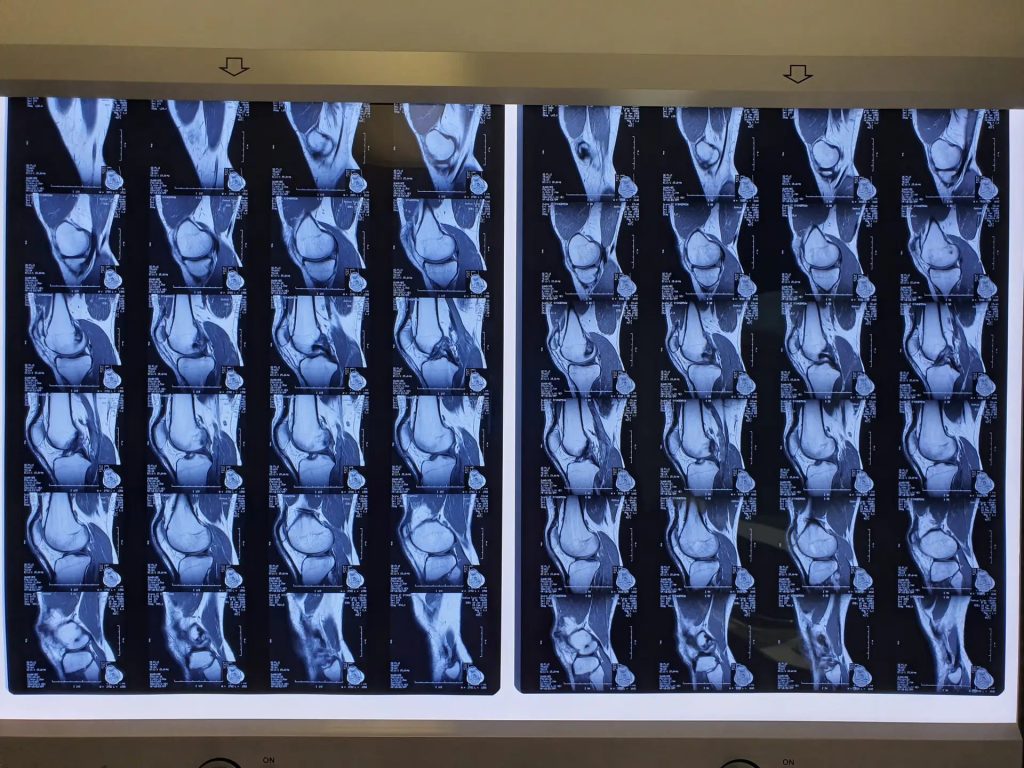
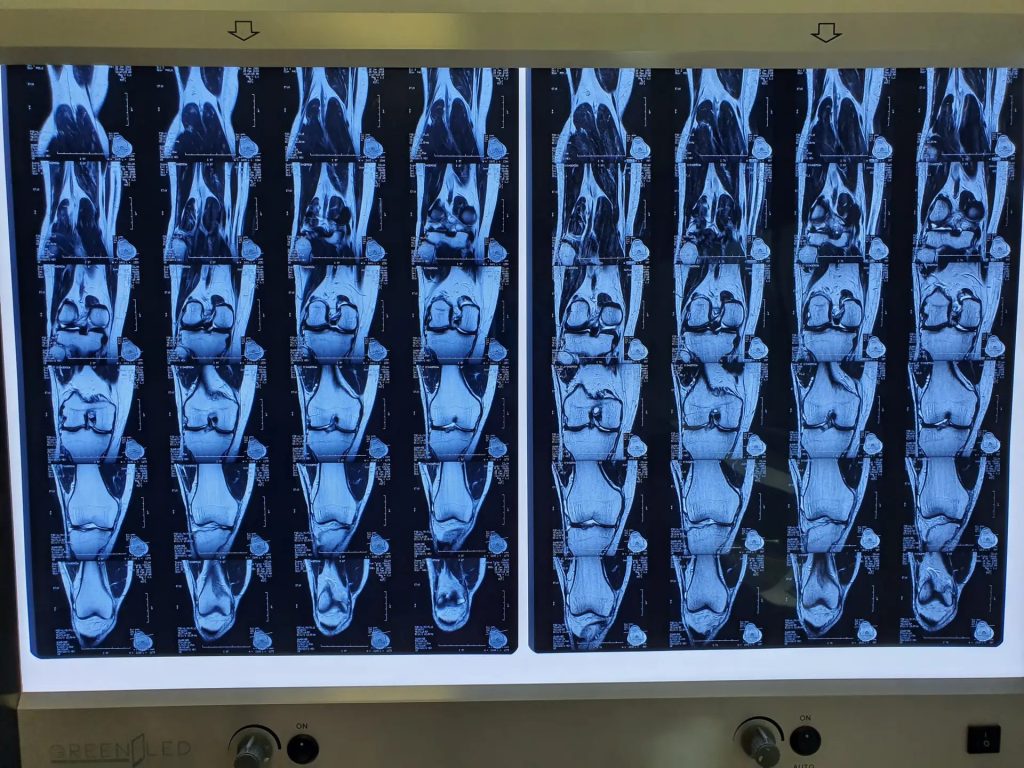
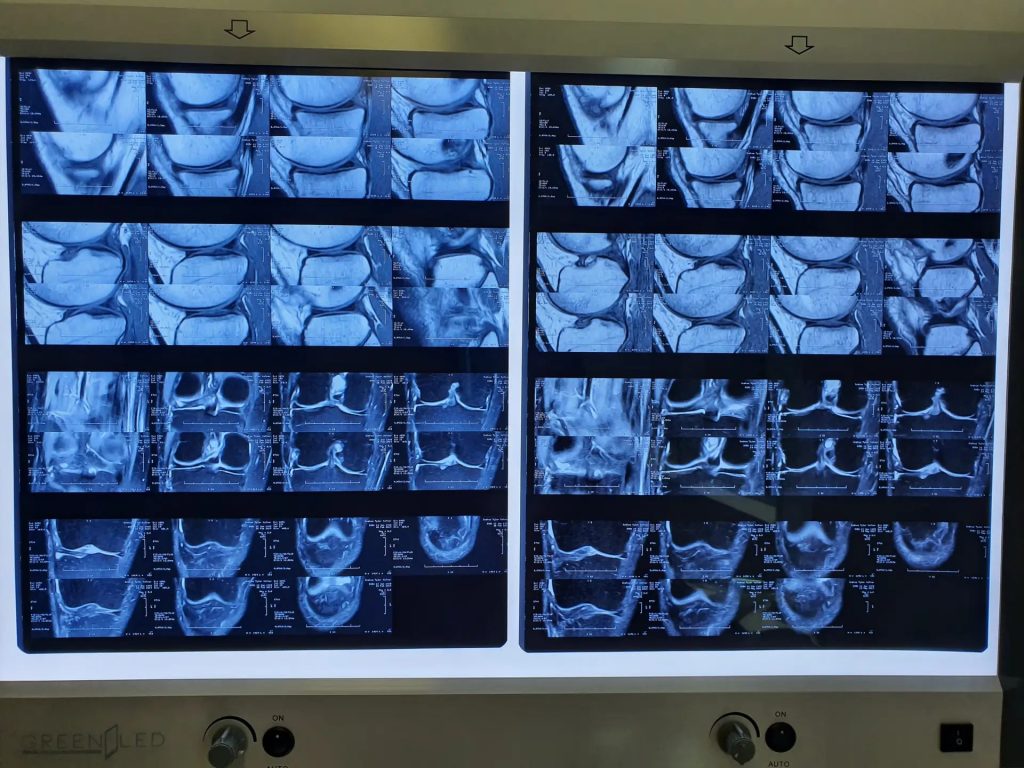
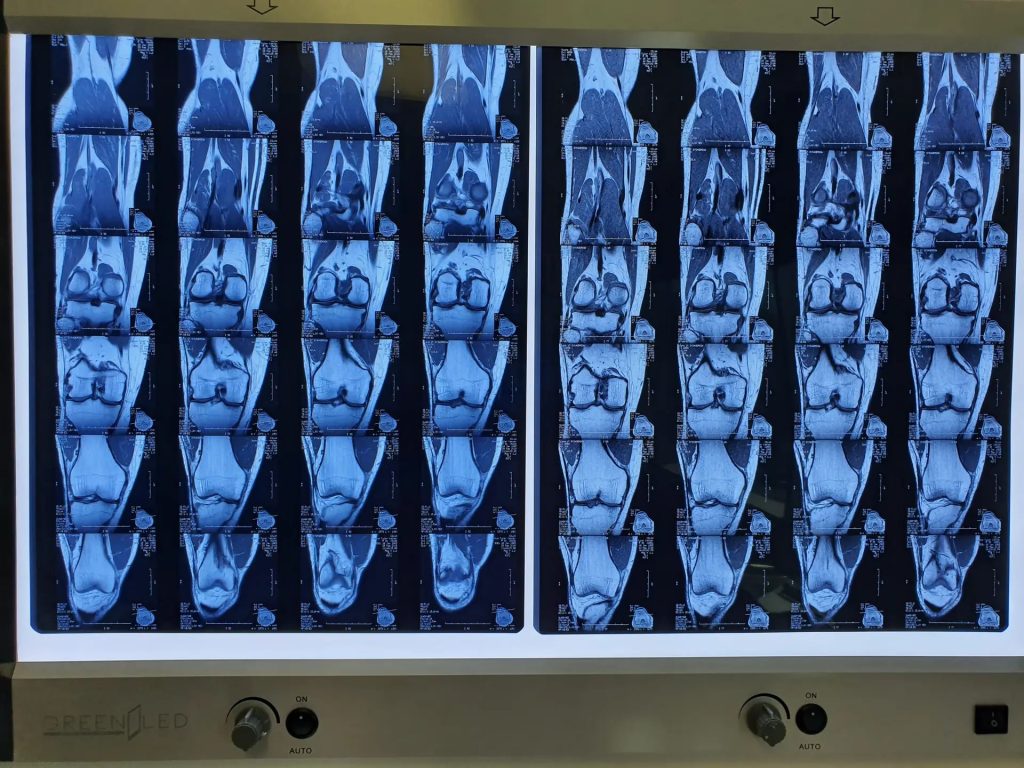
Founder’s Knee MRI Story: Torn ACL and Meniscus Before and After
Or email us at info@dreambodyclinic.net

Reviewed by the treating physician
Dr. Arick Francisco Barba Lopez
Head Physician
Dream Body Clinic, Bucerias, Mexico
- Graduate, Universidad Autónoma de Guadalajara
- Graduate certificate in regenerative medicine
- About 9 years administering mesenchymal stem cell therapies
- Honoris Causa, UNCEMA, 2021
- Reviews this page for protocol, dose, and candidacy accuracy
Content last reviewed September 26, 2026 · Next scheduled review March 2027
These treatments have not been approved by the U.S. Food and Drug Administration (FDA). Dream Body Clinic’s regenerative medicine treatments are provided under COFEPRIS licensing (license 23-TR-18-020-0001). COFEPRIS is Mexico’s equivalent of the FDA, and Mexico is where we operate.